
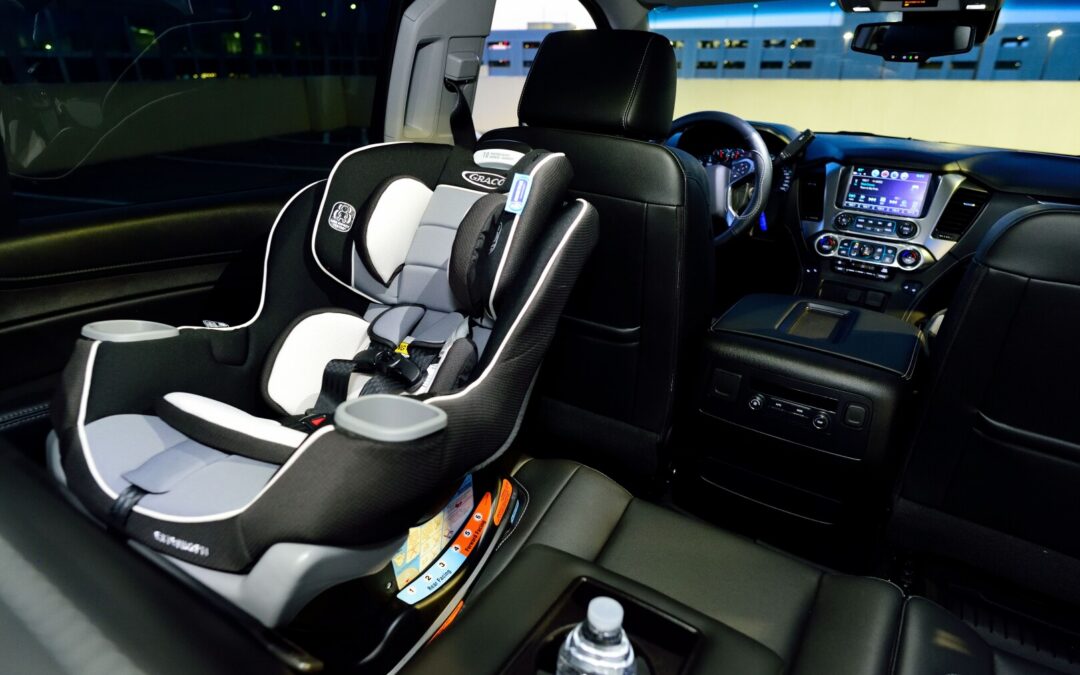
As school holidays begin, families may be embarking on holiday trips. If you have an infant, there is a non-negotiable step: a correctly fitted, correctly used car seat. While most know a car seat is essential, the details of correctly choosing and installing one is where drivers often go wrong.
The correct car seat matches your child’s age, weight and height, chosen for fit rather than looks or price. Eugene Herbert, CEO of MasterDrive, says: “Use rear-facing seats for infants up to two years old. Use it for as long as the seat’s weight and height limits allow, which can often extend well past two years.
“Once the child outgrows the limits of their current car seat, which is located on a tag on the seat, upgrade to a forward-facing car seat with a 5-point harness. This should be used until maximum weight, and height restrictions are reached. After this, use a booster seat until they are 10 to 12 years old or 1,5m in height,” says Herbert.
Once the right seat is chosen, safe strapping technique matters just as much:
- Check the recline angle. Infant seats should be reclined enough to support a newborn’s head and airway, usually at the angle marked on the seat itself. This prevents their chin from falling to their chest.
- Position the harness straps at or just below the infant’s shoulders for a rear facing seat.
- Keep the chest clip level with the armpits, which is how the harness is designed to work.
- Do a pinch test. Once the harness is tightened, the fabric at the shoulder should feel snug against your finger, with no slack to pinch.
- Remove bulky jackets and blankets before strapping a baby in and add layers over the harness instead.
The pinch test and harness position are where mistakes are often seen. “A harness that looks tight can still be too loose if it sits too high or too low on the shoulders. Parents assume the seat is doing its job once the buckle clicks, when the fit still needs checking every single time.
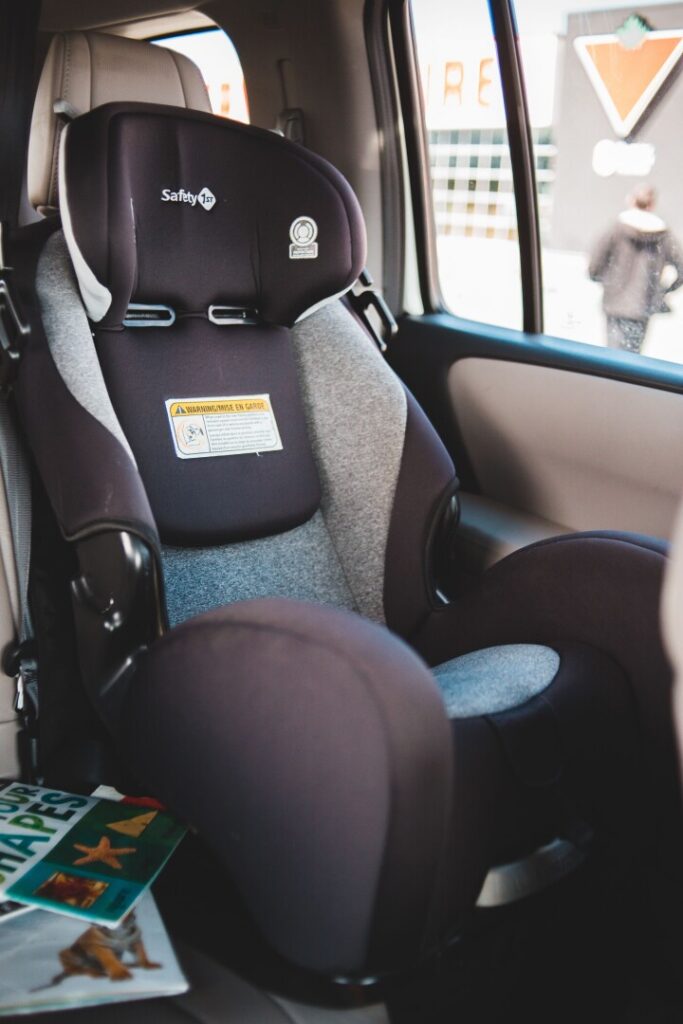
“Other common mistakes include moving a child out of a rear facing seat too early, reusing a seat that was in a collision previously, and installing the seat with too much or too little recline. Second hand seats also carry risk if their history is unknown. Heat and time weaken plastic and webbing.”
Additionally, re-check the harness before every trip, since children’s clothing and growth changes how snugly a seat fits. “Ideally, parents should have their car seat installation checked by a trained professional. MasterDrive welcomes any parents that would like to have their child seat installation checked.
“A car seat only protects a child when it is chosen and used correctly on every trip. Those extra minutes at the start of a journey, can keep a child safe for the whole of it,” says Herbert.