
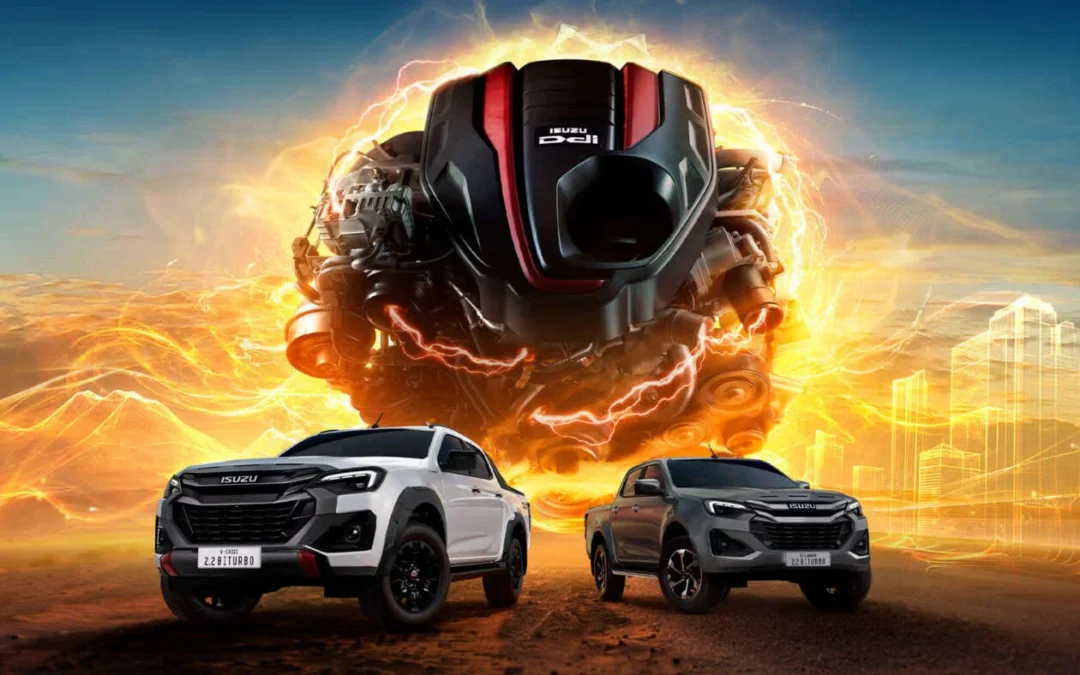
Whilst everyone was fairly quiet, Isuzu Thailand has gone on to launch a new Isuzu engine that will join the existing lineup of the D-Max range. The new engine shown is a 2.2L Turbocharged Diesel that offers more power than the current flagship engine but slots in between the 1.9L entry-level engine and the 3.0L engine.
A new engine, why

Many may speculate the reasons as to why this engine has been introduced but Isuzu have done so as the first phase of introducing a new power plant to begin the process of introducing new architecture for a 20-year-old engine and ensuring the compliance of cutthroat emissions rules that are beckoning. Isuzu had to do this not only to replace what is now long in the tooth but also do so by aligning to global standards which are strict without loosing out on bakkie character and power.
Due to how far technology and research in the world and within Isuzu has gone, they have managed to introduce a smaller capacity engine that outputs and out performs the existing engine. The new 2.2L Turbocharged Diesel produces 150 kW and 500 Nm, which is 10 kW and 50 Nm more than the current 3.0-litre engine which produces 140 k and450 Nm.
Big outputs and retention of performance capabilities which are on par with the bigger flagship engine are a result of a two-stage bi-turbo system. A variable-geometry low-pressure turbo handles the job of rolling out adequate throttle response on demand at low revs, while a high-pressure turbo ensures sustained power under load.
The smaller 1.9L engine is much more newer and does not suffer the fate that the 3.0L will face as it cannot meet tightening global emissions standards—such as the Euro 6d regulations being enforced in major markets like Australia by mid-2028. The update of the 1.9L which took place right around the time of facelifting the D Max and MU-X featuring a major mechanical upgrade for the mid-2026 South African D-Max facelift, while the 3.0-litre remained unchanged.
Is this new powerplant on its way to the mother land?
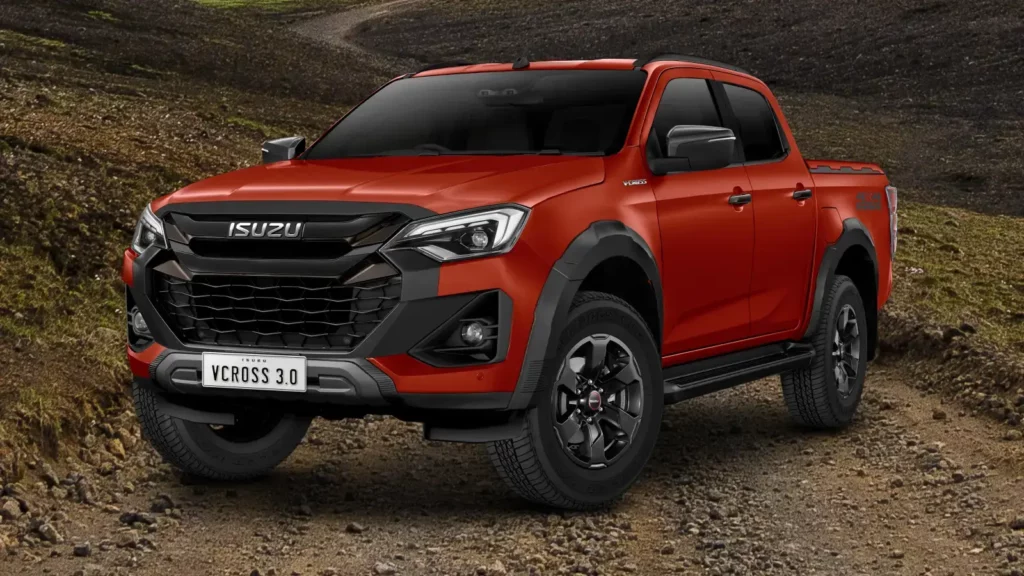
Well...not yet, or we are not sure. Two part answer, on the one hand Isuzu Thailand had only revealed the new engine for their own market with little to no word on whether the rest of the world (Mzansi) will be getting it or not. According to official communication and local executives, the engine is "on the radar" but has not been approved for South Africa yet which is a jargon for "this might take a long while so get comfortable waiting".
Why the delay on our side you may ask? There are quite a lot but to mark it down to just two, the first is that any new engine that is eyed for local introduction does not just make its way here all willy nilly instead Dominic Rimmer (Senior Vice President of Technical Operations at Isuzu SA) stated in a previous interaction about new engine that new powertrains that are in consideration for Mzansi must first undergo a rough and tough series of tests on local soil to understand whether the engine is suited for our climate.
The second point relies on the health and status of the fuel quality in South Africa which we all know has been on the ropes as of lately. The 2.2-litre MaxForce uses an ultra-precise, high-pressure 10-hole injector system which needs a lot of fuel living in around that specific component. Isuzu is currently conducting extensive local fuel quality testing to ensure the engine can actually survive on South African diesel without catastrophic failures however on a more light note as the study suggests, Isuzu do remain optimistic and hopeful that they can introduce the new 2.2-litre "soon" in our market.
Now we wait and see..
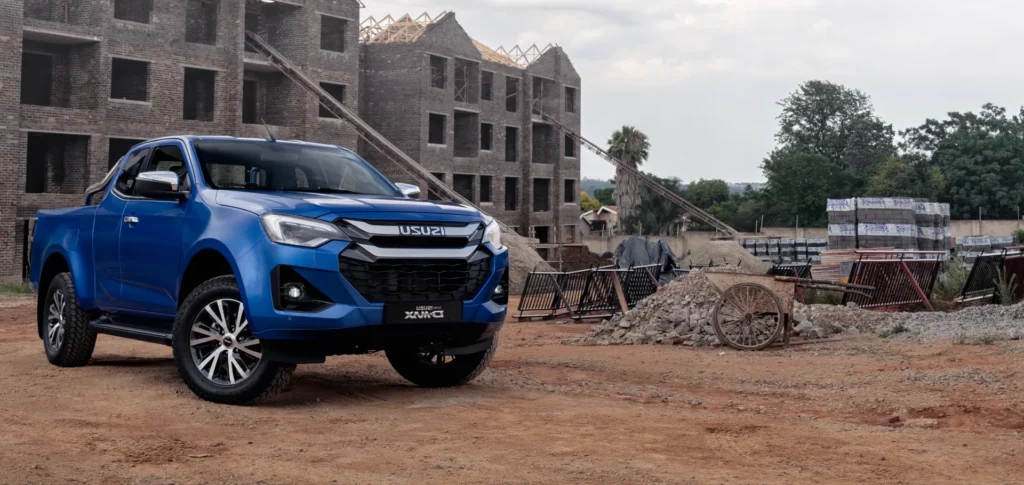
Plenty may be eager to get their hands on this engine, but with the lack of communication and vague information, for now, all you D-Max lovers out there will have to settle for the trusted 1.9L and 3.0L mills.