
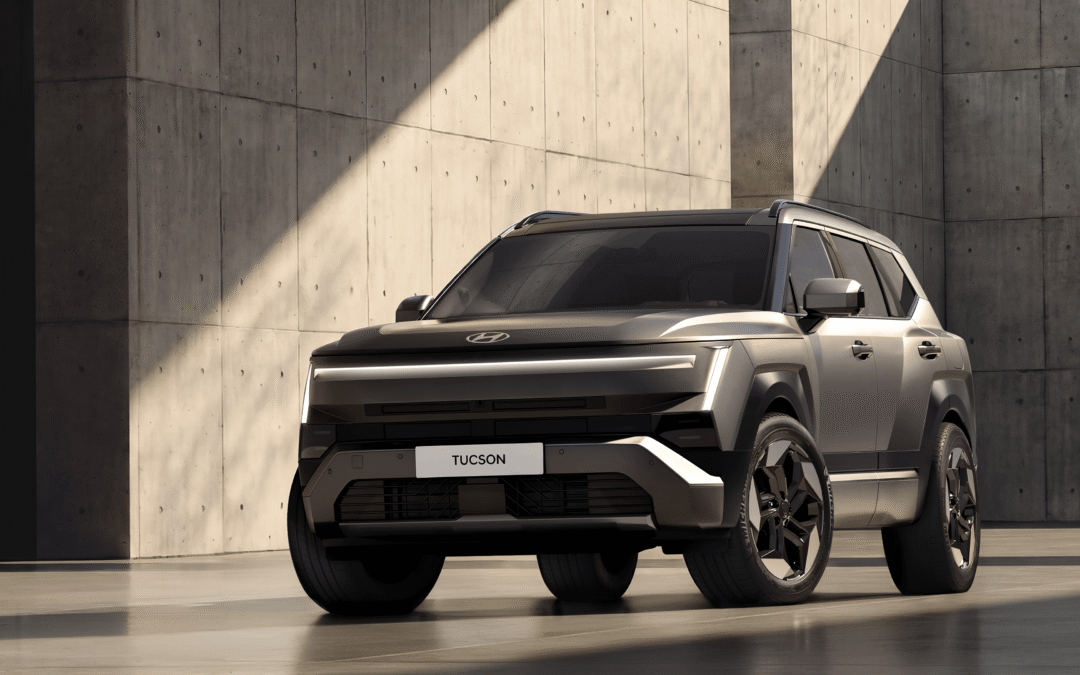
Hyundai released the first images of the new generation Tucson to the public in August to debut a completely new look. The new Tucson will feature the brand's newest design language called the "Art of Steel ," which ushers in not just new looks and proportions, but it is set to make way for new engine options, including a hybridized engine.
The car grows as much as it has changed

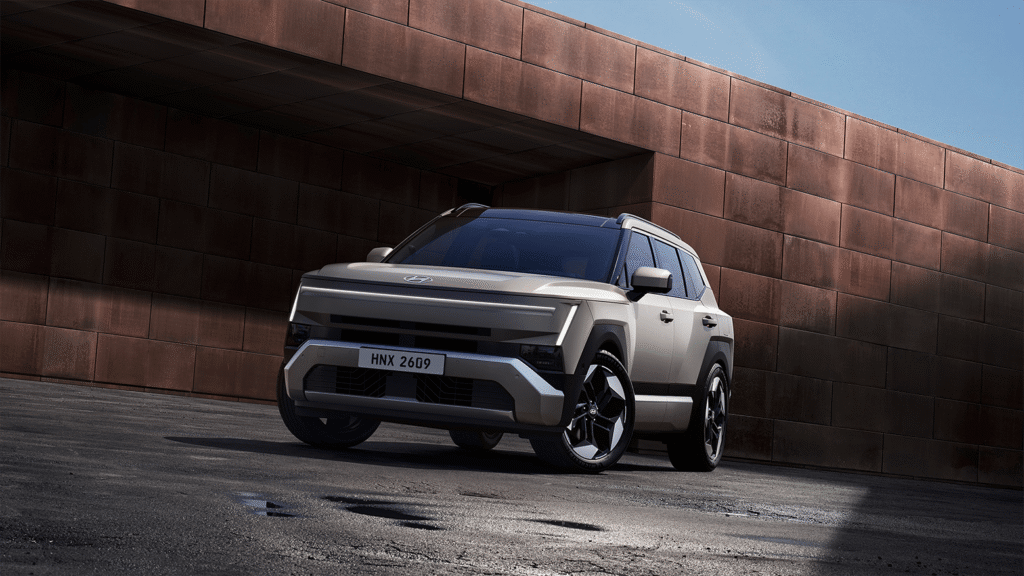
Hyundai says that the radical styling is not just an aesthetic enhancement; rather, there is method to the madness. The new Tucson front design helps to improve pedestrian safety while enhancing forward protection, and because of a sharper lower bumper design for the front and rear bumpers, there is a new and improved approach and departure angle. This means the car gains a more capable ability to tackle light off-road scenarios.
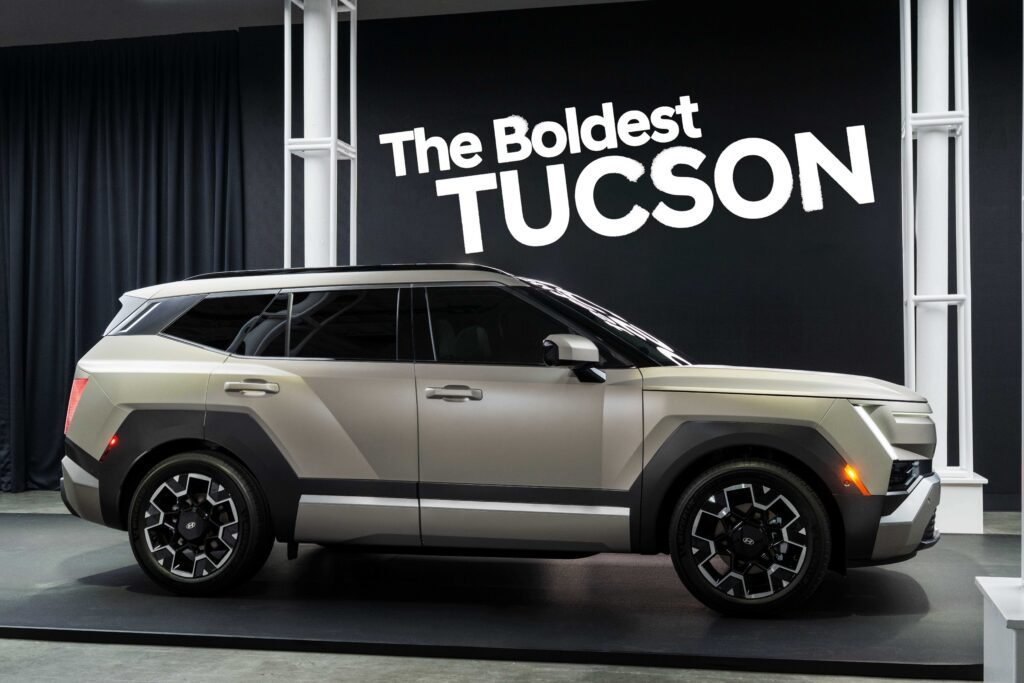
The redesigned body is longer, wider and taller, commanding greater visual presence while unlocking additional interior space. The long wheelbase model measures 4,700 mm in length (+60 mm), 1,905 mm in width (+40 mm), and 1,685 mm in height (+20 mm) compared to the previous model.
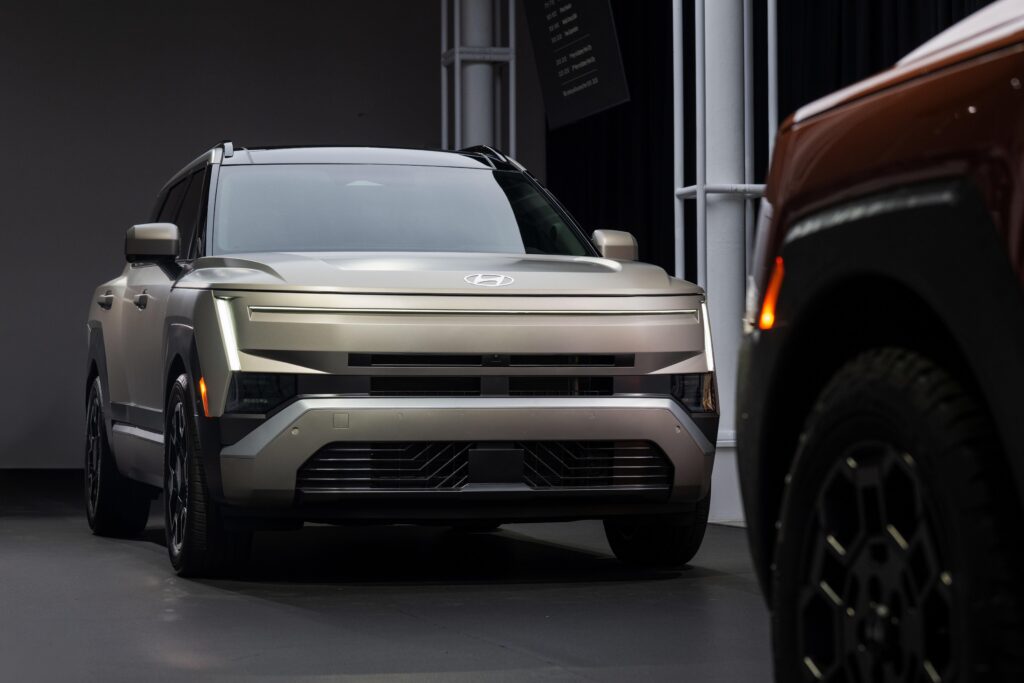
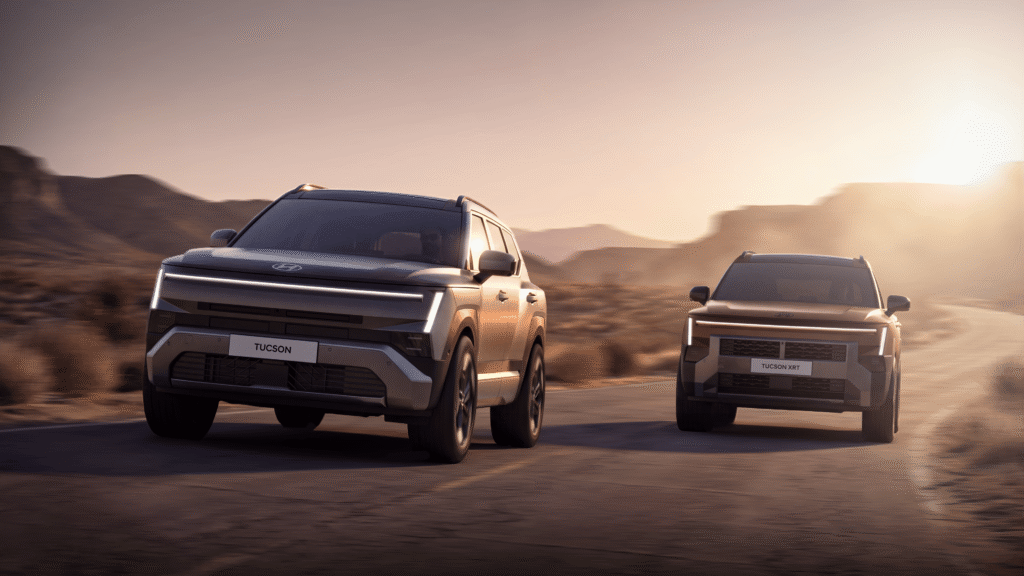
Starting up front, the car features the brand- new H-Edge lighting arrangement, which gives the vehicle a futuristic fascia-a cyberpunk-meets-spaceship theme-that is closed off where you would normally have a grille, in exchange for lower-mounted air openings. The face has H-shaped arranged lights made up of an individual light bar running across the face, which conjoins to two flanking horizontal DRL elements above the separated main beams located slightly below the H.
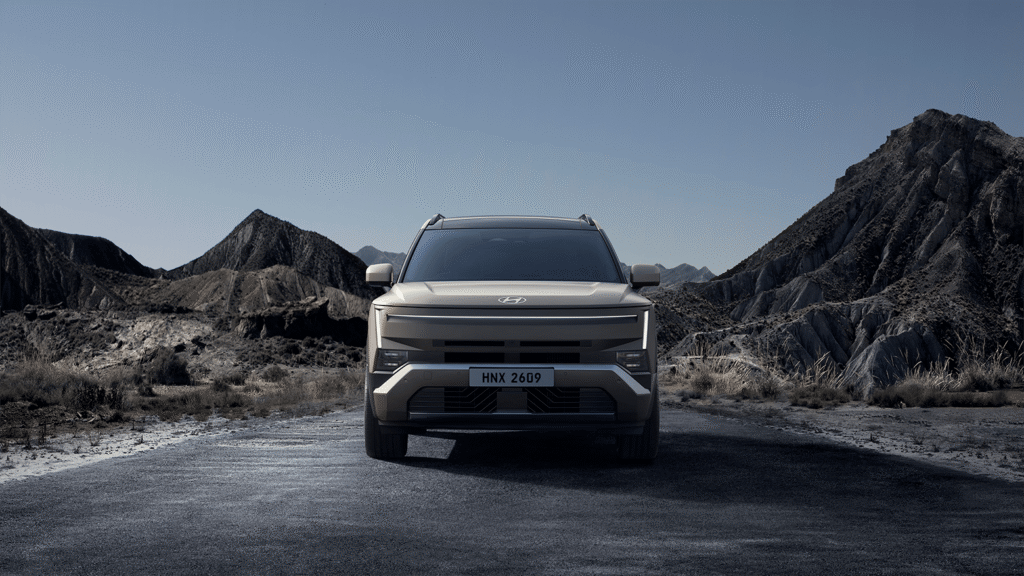
Lighting technology will also receive a significant overhaul and upgrade as the Tucson is set to debut a new, state of the art Micro Pixel Lighting system. This setup utilizes 25,600 individual LED pixels which work together to not only light up your way but enable neat tricks like beam patterns projection, rain guide, and dynamic welcome/farewell animations.

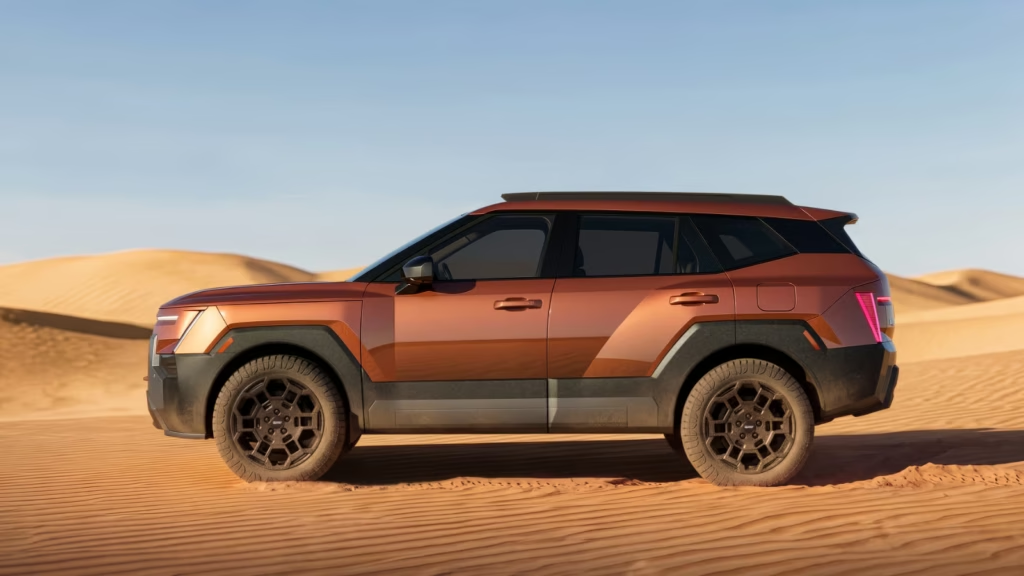
The vehicle has sharper edges and favors boxy dimensions, making the side profile more pronounced. At the side of the vehicle, it is mostly unnoticeable at first glance, gaining flair and cladding-dressed hexagonal wheel arches to house new, large, stylized multi-spoke alloy wheels that have been specially engineered to lower wind resistance.
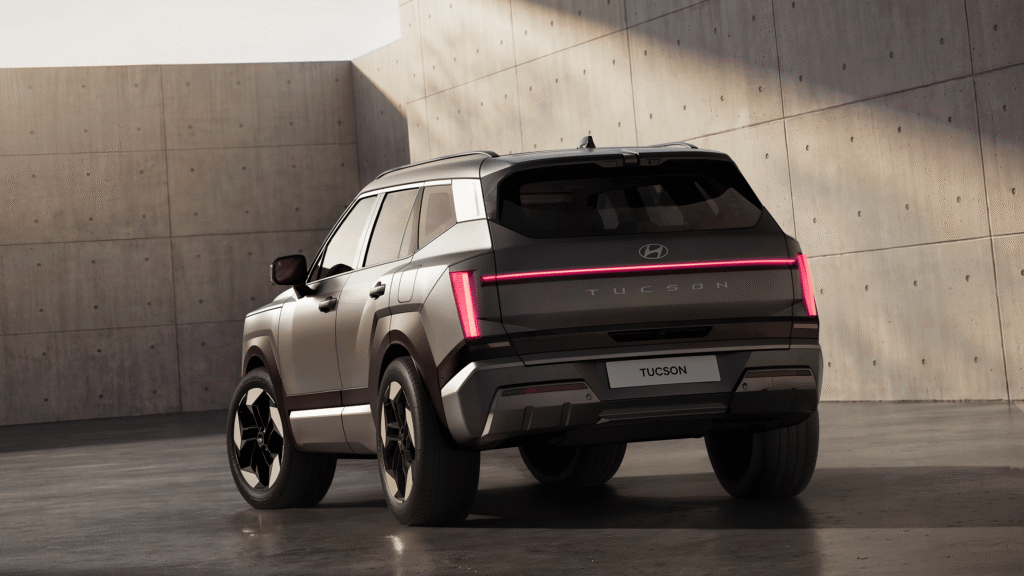
At the rear, the visible H-shape arrangement theme continues. Prism Rear Lamps take center stage, with a supporting act provided by large and bold "TUCSON" lettering. Hyundai has also introduced an XRT model trim, which adds a sense of off-roading occasion to the fairly lifestyle-oriented SUV.
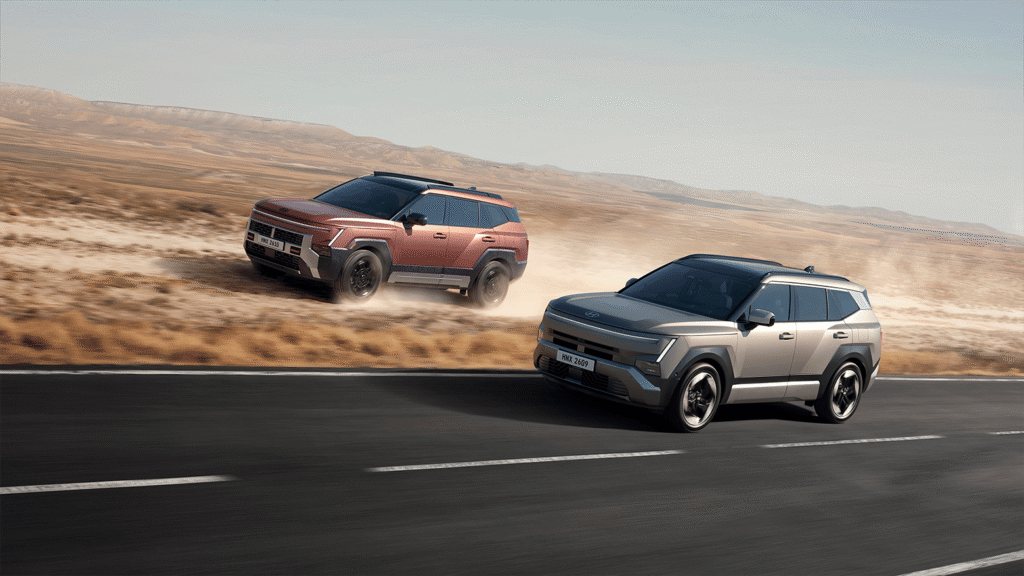
The XRT is not just a trim, though, since this model offers enhanced protection, control, and functionality through comprehensive off-road engineering and design. On the exterior, XRT models will receive visual cues such as all-terrain tires and front recovery hooks, but it won't be aesthetically tweaked since Hyundai has made adaptations .
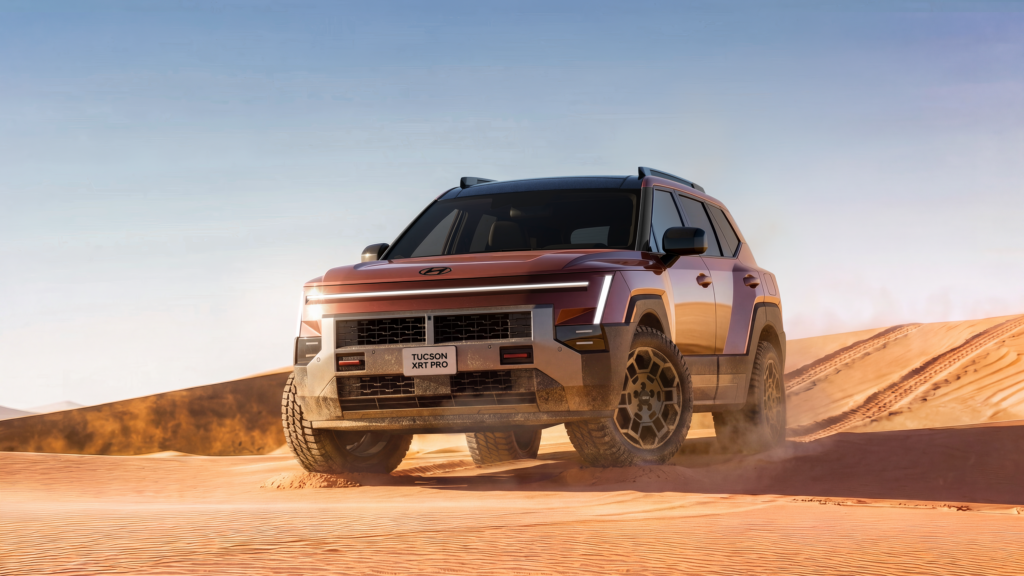
The underbody changes of the XRT trims include elevated ground clearance (210 mm, +30 mm vs. standard) and an all-wheel drive drivetrain to support the addition of all-terrain tires. The bigger question is whether we will be getting the XRT trims in Mzansi. For enthusiasts, Hyundai has announced that there is a new sport-inspired variant of the all-new TUCSON, which will debut at the 2026 Paris Motor Show on October 12.
The radical change extends into the cabin
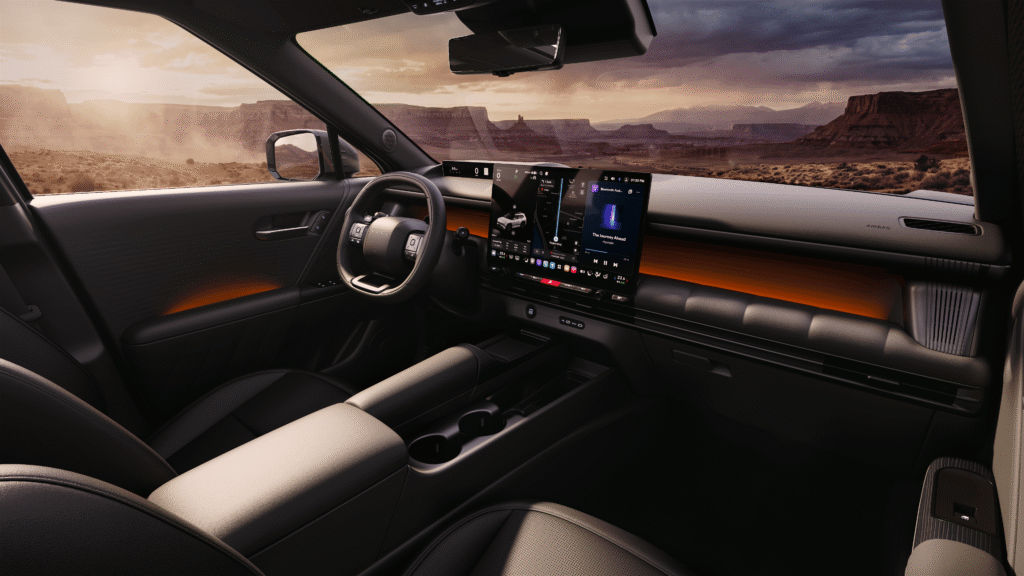
The cabin of the new Tucson leaps frog and debuts a layout never seen before in any other Hyundai product. The interior is said to have a major focus on practicality and good ergonomics ; in fact, interior space has been improved by moving the traditional gear selector off the center console and placing a shift-by-wire stalk right onto the steering column, experiencing a growth in dimensions.

But noticeably, the dashboard has been overhauled to feature a new Double D-Cut steering wheel, as it has a flat bottom and top so that you can see forward to the new 9.9-inch slim display above the steering column, kind of like BMW did with the BMW Panoramic Vision display.
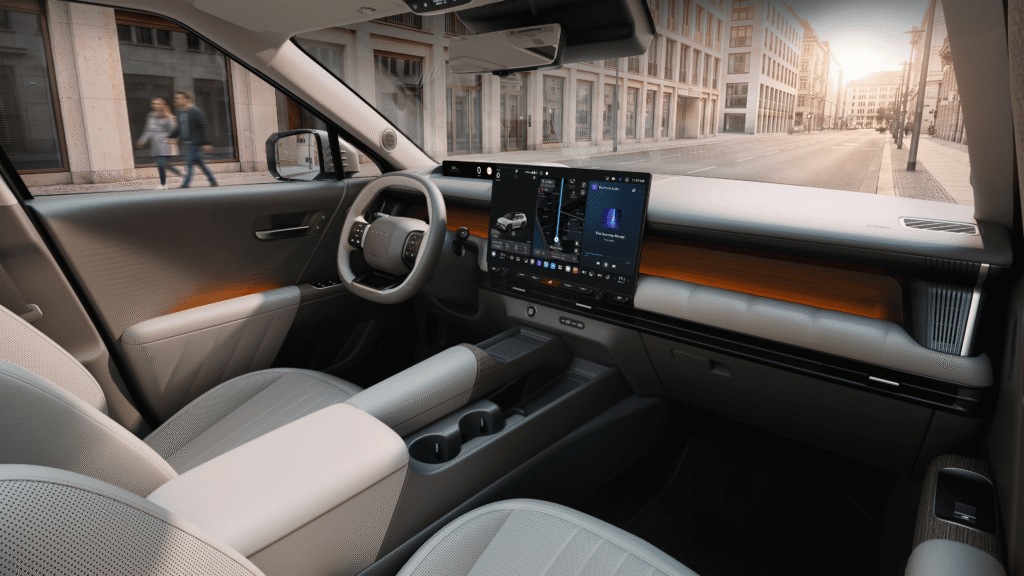
There is a new huge 17 inch infotainment screen which runs the brands new Pleos Connect and Hyundai Motor’s Android Automotive OS (AAOS)-based infotainment system. The smart screens houses features like three-finger gesture controls and an expansive single-screen mode which helps minimize distraction and make every drive smarter.
New engine options

A moment of silence for the 2.0-litre turbodiesel engine is as it is being officially dropped for the next-generation Tucson. With the diesel power no longer an option at the top of the list, the same intelligent 1.6-Litre Turbo Hybrid (HEV) first debuted by the Santa Fe will now sit atop as the peak offering.
The unit will come packed with a combined system output of 175 kW and 367 Nm of torque from the engine and high-efficiency hybrid (HEV) system. All wheel drive is the configuration offered by the 1.6-litre four-cylinder turbocharged petrol engine, It provides electric vehicle (EV)-like silent idling while running accessories like climate control with the petrol engine switched off.
Second up in the list is a 2.0-litre naturally aspirated four-cylinder engine produces 110 kW of power and 192 Nm of torque. At the base level will be a standalone 1.6-litre turbo petrol engine producing up to 142 kW and 264 Nm, mated to a 7-speed dual-clutch transmission (DCT).
Safety features also gain a refresh
What would an all new vehicle be without an additional suite of advanced driver technologies? Not new at all according to today's standards but Hyundai has not overlooked this. Instead the Tucson comes with things like Memory Reversing Assist (MRA) which can record driving up to 30 km/h and automatically assists steering while reversing on narrow roads, while the available Ground View Monitor (GVM) provides transparent terrain visibility forward and beneath the vehicle.
When and where will the all-new Tucson be available?
The all-new TUCSON will launch in Korea later this year, with North America, Europe and other global markets to follow in 2027.