
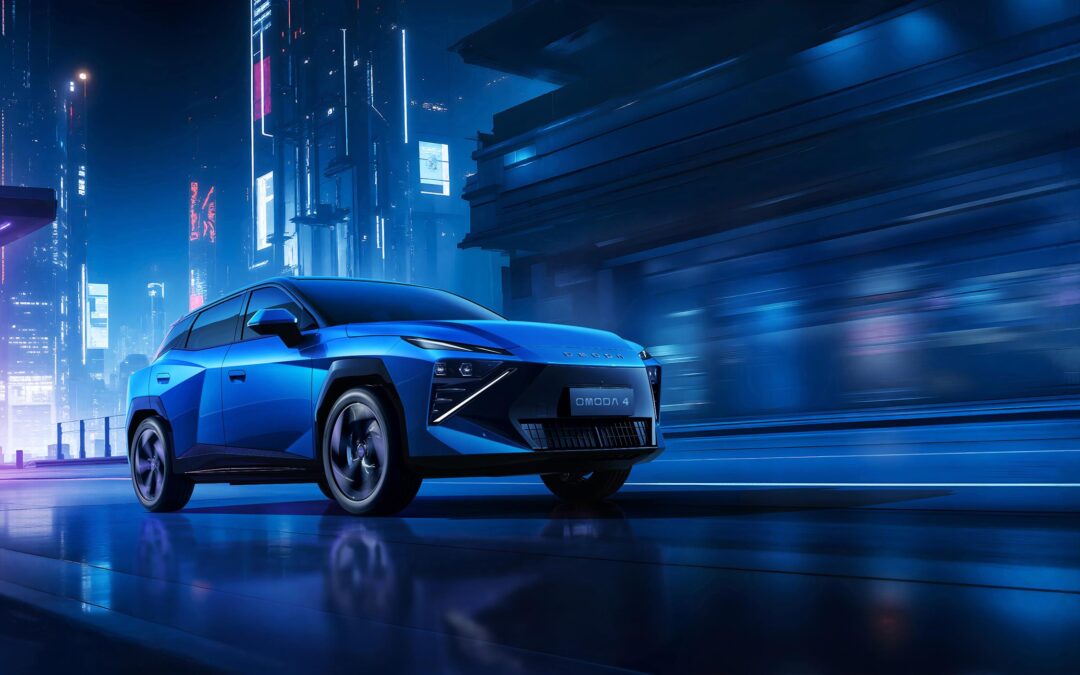
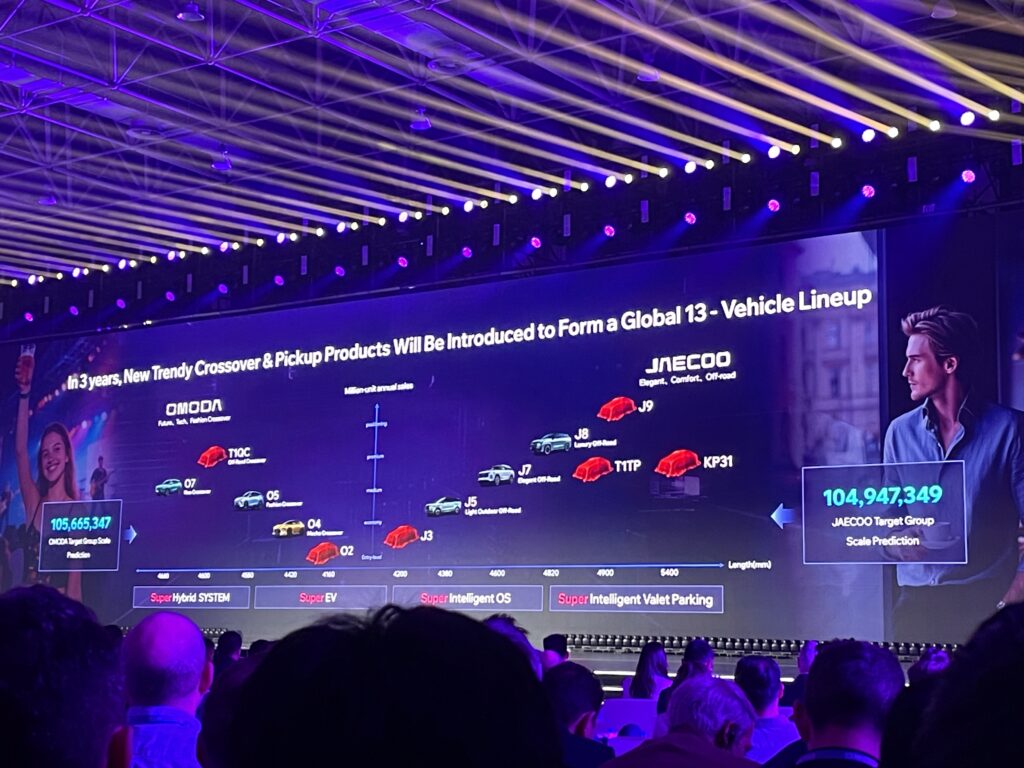
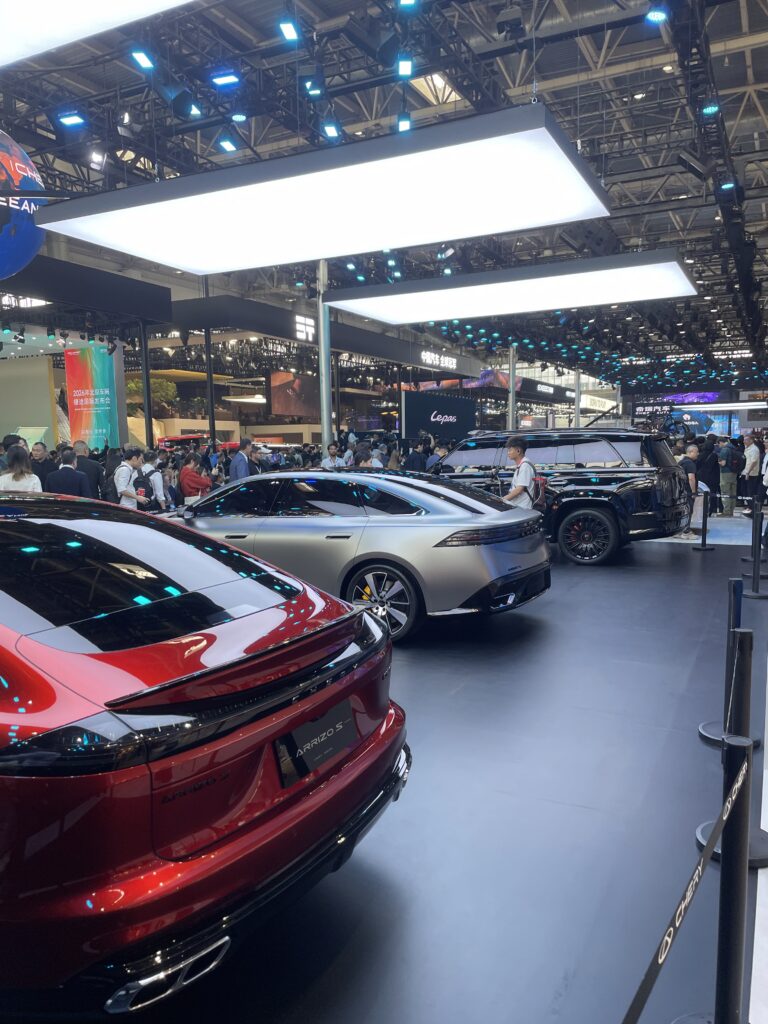
The Auto China 2026 show in Beijing drew a massive influx of media from all over the world, all gathered to see the latest vehicles in the flesh and take part in the hosts’ packed itineraries. New models were unveiled to the press for the very first time, and we were honoured to spend time at the OMODA, JAECOO, and iCAUR stands within the big Chery Group showcase, getting the inside track on what’s coming soon to Mzansi. All the brands took turns presenting detailed updates on their performance, growth, production numbers, and global positioning.

We learned that Chery Global has become one of the fastest-rising brands in the world, reaching millions of customers in a relatively short time, and they’re not slowing down. The newest target for them is to have touched 10 million families by 2030. The company then teased some exciting upcoming models, starting with the brand-new flagship for Chery the Tiggo V. First shown as a concept at last year’s User Summit, the vehicle has now become reality and is slated for production next year.
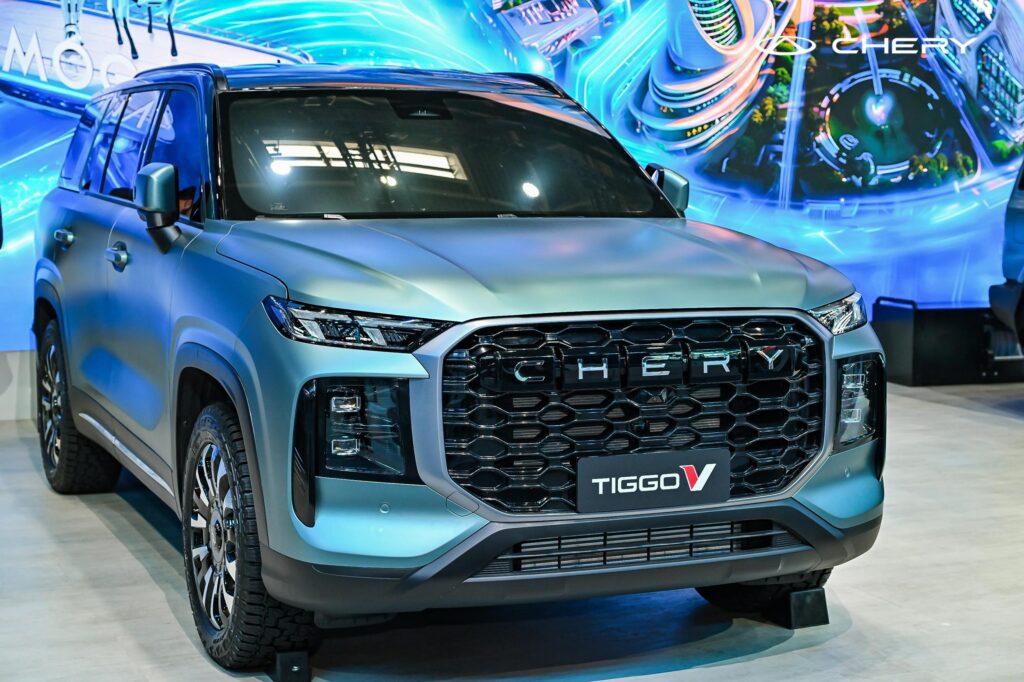
This isn’t your average seven-seater large SUV. It has a proper party trick: when you need it for the family, you raise the third row. But if you’ve got heavy loads like cement bags and need proper workhorse ability, you can remove the rear section of the roof and the third-row seats entirely, turning the Tiggo V into a van or, as we call it in Mzansi, a bakkie. OMODA and JAECOO, fresh off celebrating one million global sales, kept a promise made at last year’s User Summit in Wuhu by showcasing the OMODA C4. That's where we first saw the OMODA C4 (originally previewed as a C3 but later adjusted because it sat between the smaller C3 and the current C5, which is already doing well in Mzansi as the brand’s bestseller).
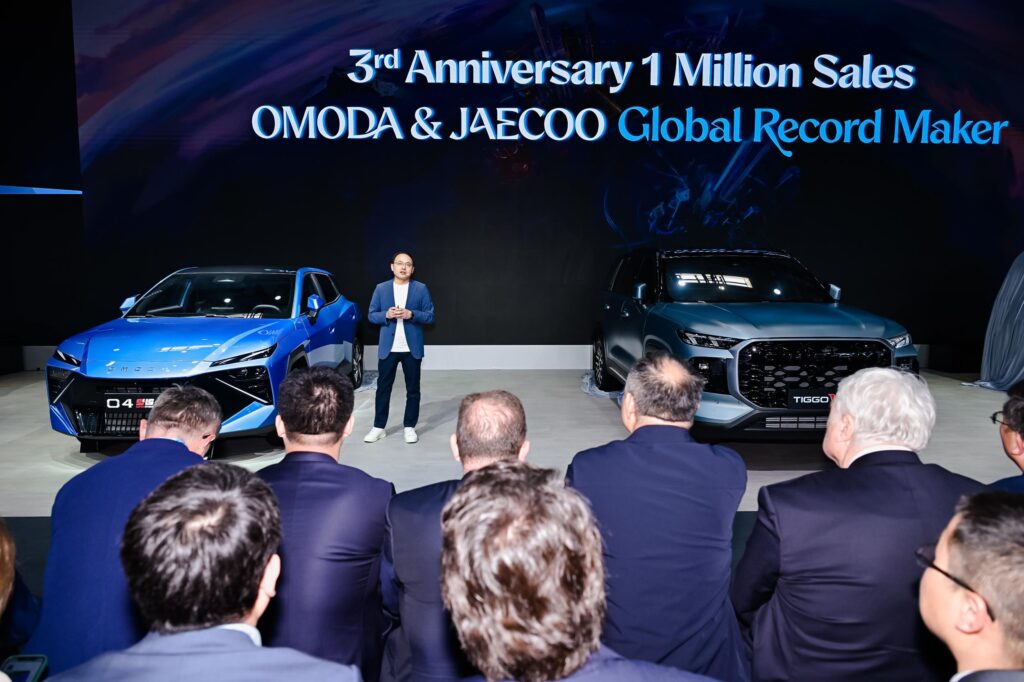
The production C4 heading to Mzansi ditches the curvy look we’re used to from OMODA. Instead, it brings sharp, straight edges and muscular lines in a fighter-jet-inspired design, according to the chief designer. Inside, expect the usual high-quality materials, generous tech, and comfort that has positioned OMODA as the more premium, luxury-oriented brand in the group. The interior even has proper gamer vibes, with in-car gaming abilities among its party tricks. We couldn’t pin down an exact arrival date, but the C4 is expected to land in Mzansi by the end of this year or early 2027.
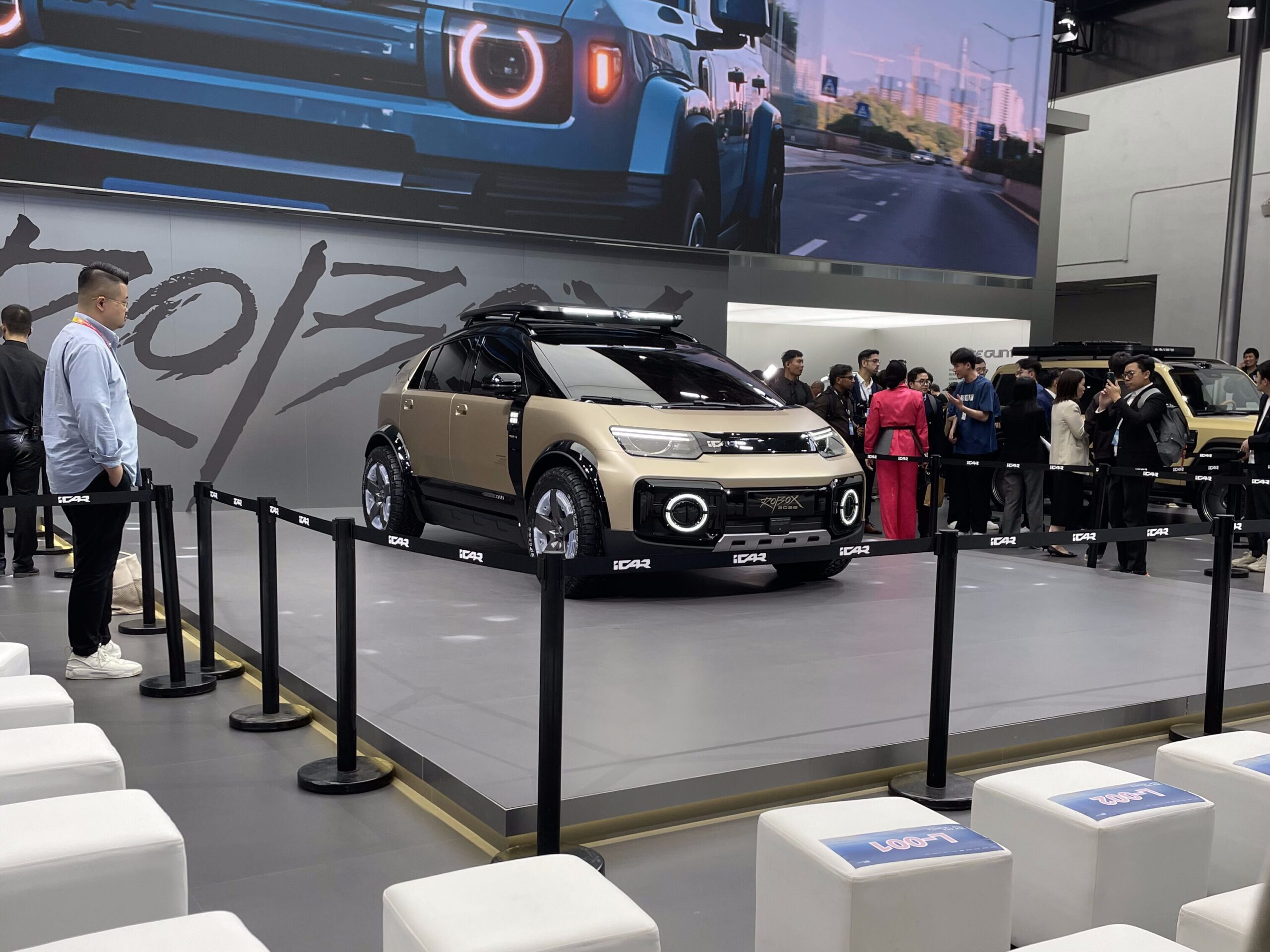
iCAUR also had its moment in the spotlight, with the futuristic “ROBOX” Concept taking centre stage. This all-electric, go-anywhere off-roader could make it to production and perfectly captures the brand’s out-of-the-box personality. iCAUR has already built a strong following in places like Saudi Arabia and parts of Asia. Also making its full-scale global debut was the V27 REEV. The V27 is positioned as iCAUR’s new flagship, using a Range Extender setup where the onboard petrol engine acts purely as a generator for the battery that drives the wheels.
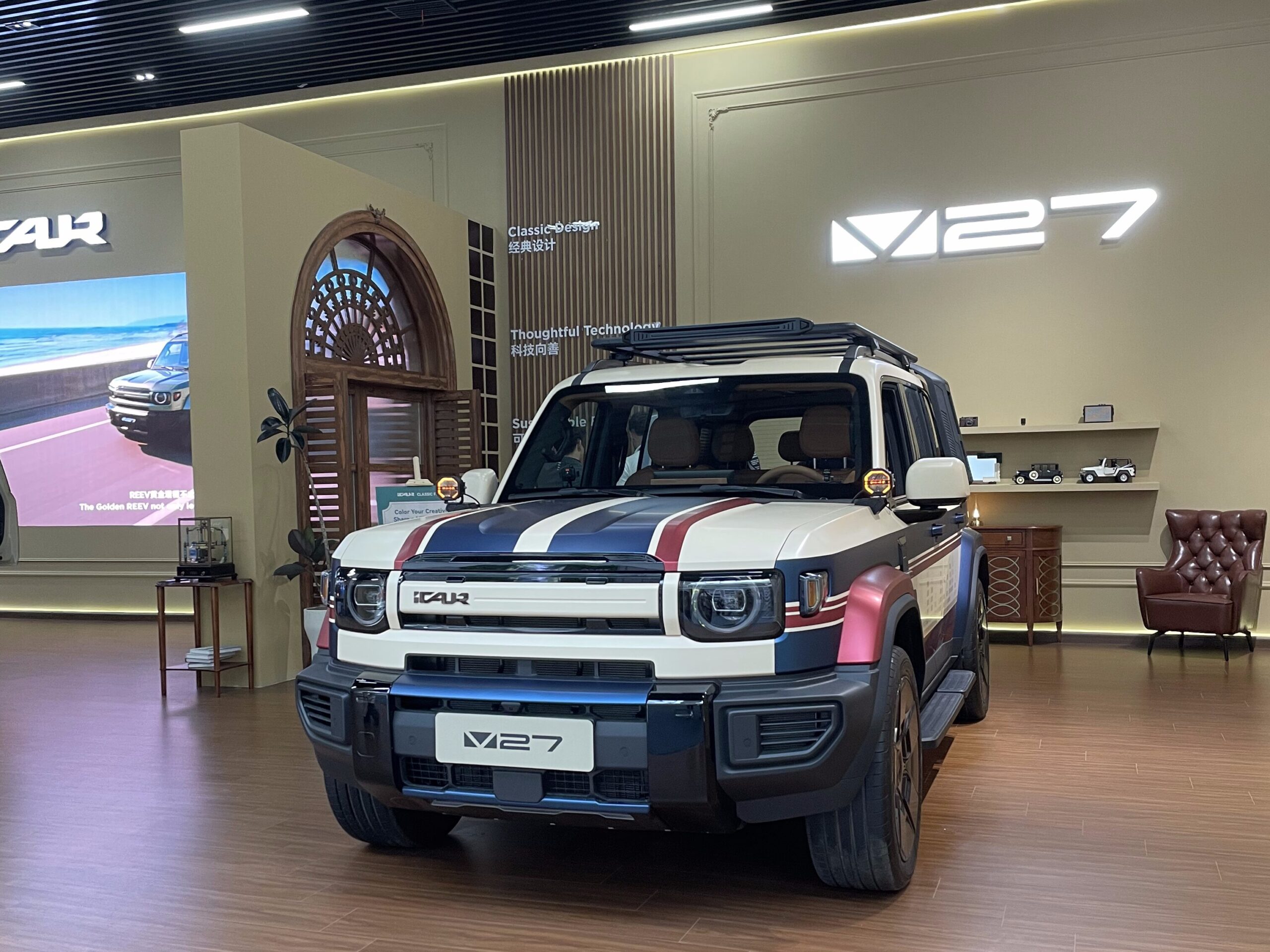
In a market like South Africa, where many buyers are still wary of full EVs, this could prove very appealing. We’re scheduled to drive the V27 on Chinese roads soon, so expect an exclusive first-drive review once we get behind the wheel. Across all the brands, one clear theme emerged : as sales volumes grow in different markets, the next logical step is local production to improve supply and meet demand. Africa and specifically Mzansi is high on the list as a potential production hub.
The Chinese manufacturers aren’t just here to participate or outsell legacy brands. They want to invest properly and grow with the markets. At a welcome dinner, we had the chance to speak with Chery CEO Tony Liu, who addressed plans for South Africa and cleared up some rumours, especially around the recent announcement that Chery is taking over the Rosslyn plant from Nissan.Liu made it clear that production will start on a modest scale, focused first on right-hand-drive models for Africa, before expanding to left-hand-drive exports.
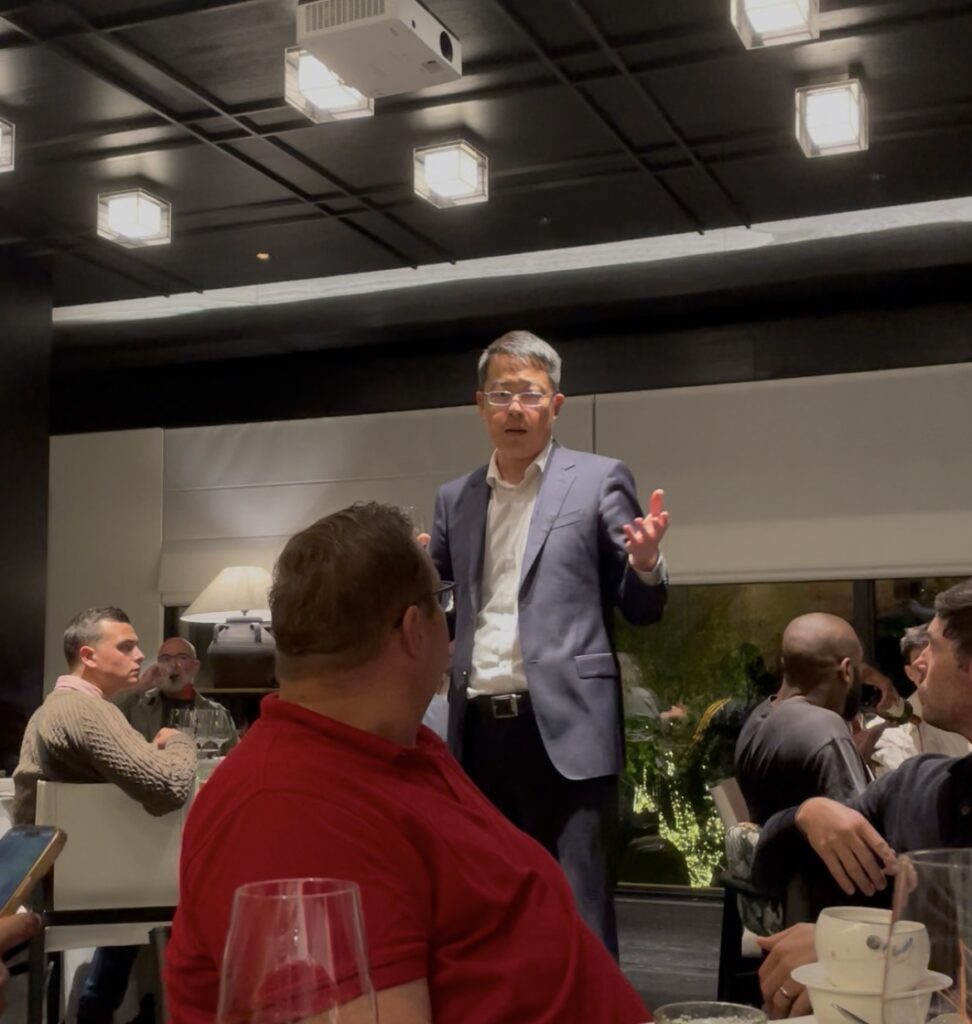
On the sensitive topic of Chinese workers replacing locals, he was blunt: “This would make no sense.” Only a small number of Chinese specialists will come initially purely for training to make sure production starts smoothly on the new machinery. “When they’re done, they leave,” he emphasised. There will be no unfair treatment or mass replacement of local staff. The plant will focus on high-volume models. When asked which ones, Liu jokingly gave a “no comment,” but we suspect the Tiggo Cross or Tiggo 7 family will play a big role. He also confirmed a dedicated bakkie production line will be present at the plant, not low-volume, but proper high-volume output.
When questions arose about a potential Swift or Polo rival, he explained there’s currently no plan for a traditional B-segment hatch because market trends strongly favour SUVs and crossovers. The focus remains on smartly priced crossovers and compact-to-midsize SUVs. “It’s all about strategic pricing and packaging,” he said. Most importantly, Liu kept coming back to the idea of not just participating in the market, but earning the right to belong. “We want to learn the culture, contribute at a CSI level, promote economic growth, and all the while deliver the best value for money products. ”We’re excited to document the cars earmarked for local introduction and can’t wait to track their performance once they arrive. For now… we wait and see.
Interesting