

Whilst the other players in the market launch their updated and facelifted bakkie offerings, Volkswagen has been quietly planning a trip that finally received the green light. The aim? To cement its place in the bakkie Holy Trinity currently occupied by the Toyota Hilux and Ford Ranger.
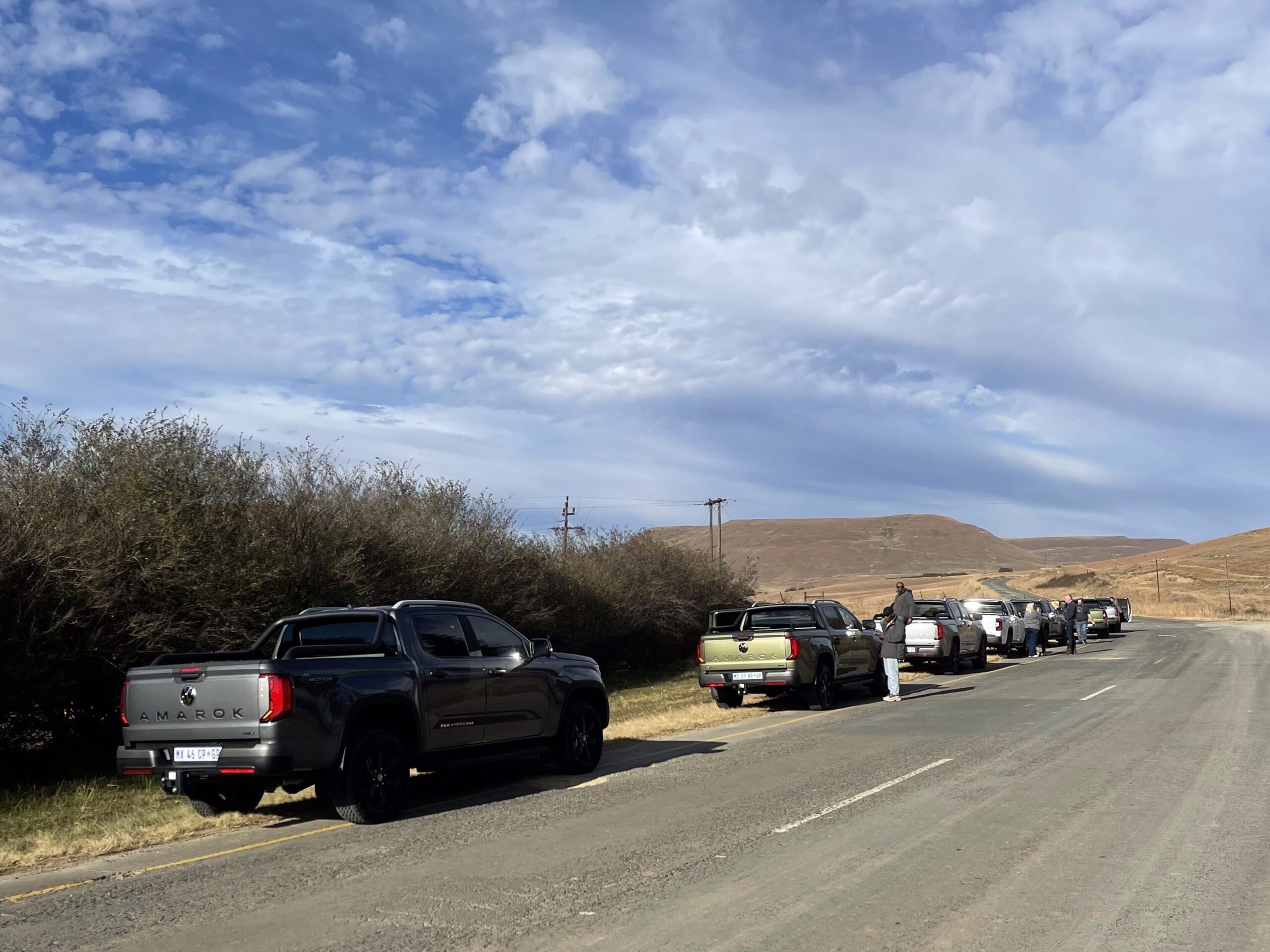
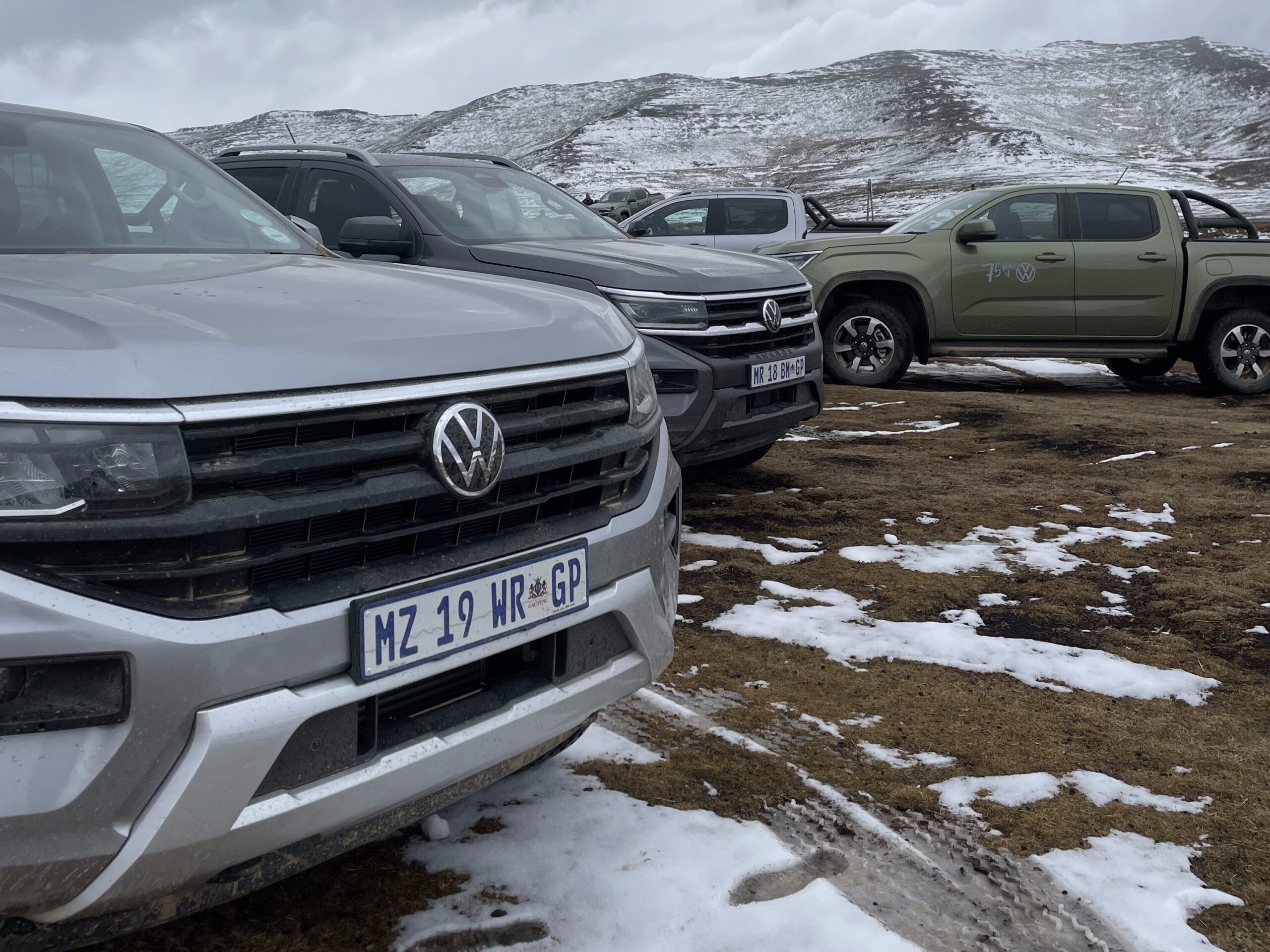
"People are always trying to say our bakkie is soft or not hard enough." So Volkswagen planned a 1,000km trip across South Africa, starting in KZN, making a short detour to the legendary Sani Pass in Lesotho, and eventually parking up in Gqeberha — all by taking the road less travelled because, quite frankly, "We 're trying to prove a point that we are more than people claim to be: a soft bakkie. Here , hello!"
Is There Anything New About the Amarok?
Well, yes. The Amarok lineup is receiving a refresh, and we first saw that move with the introduction of the mighty 222kW 2.3-litre turbo-petrol engine sourced through Volkswagen's standing alliance with Ford. But it doesn't end there.
Volkswagen was also eager to announce the upcoming addition of another 2.0-litre single-turbo diesel engine which will be available in the Style derivative. Alongside that comes the PanAmericana Dark Label, featuring what can only be described as a "murdered-out" all-black styling package.
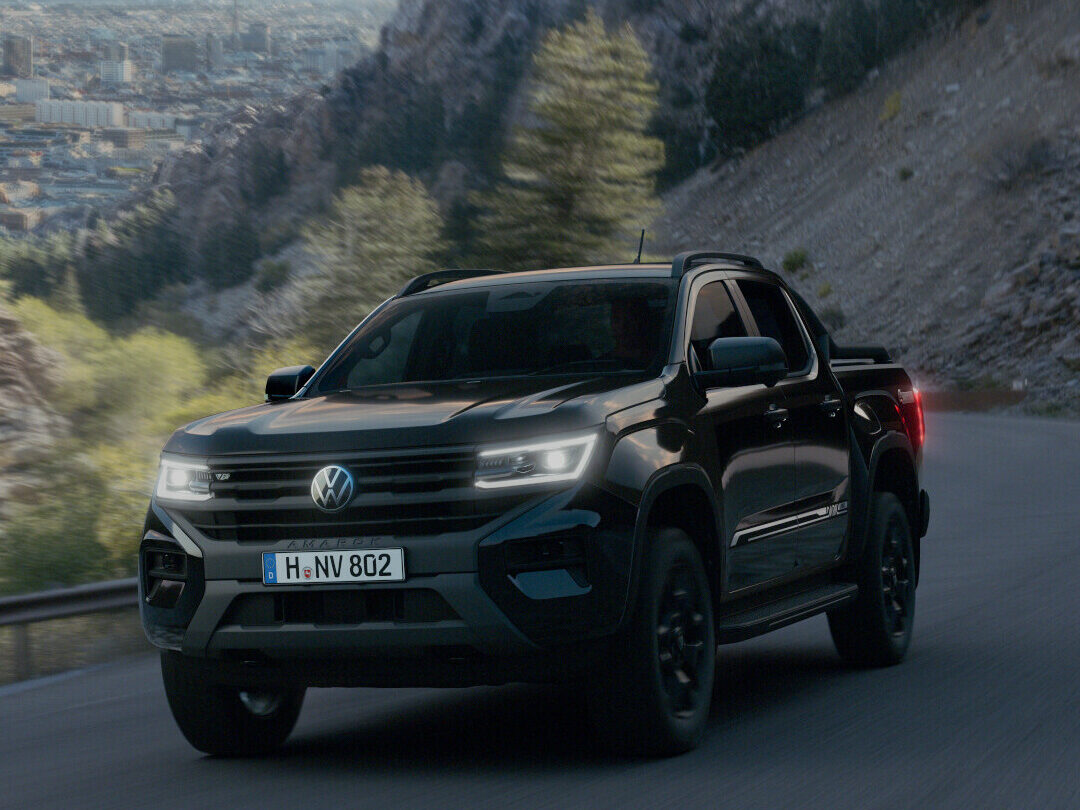
Volkswagen says the Dark Label package will cost R35,000 over the standard vehicle price and will be available with both the 2.0 TDI (125kW) and 3.0 TDI V6 (184kW) engines. For even more distinction, the 222kW PanAmericana Amarok will receive specific decals to make sure onlookers know this isn't just a capable bakkie — it's a seriously powerful one.
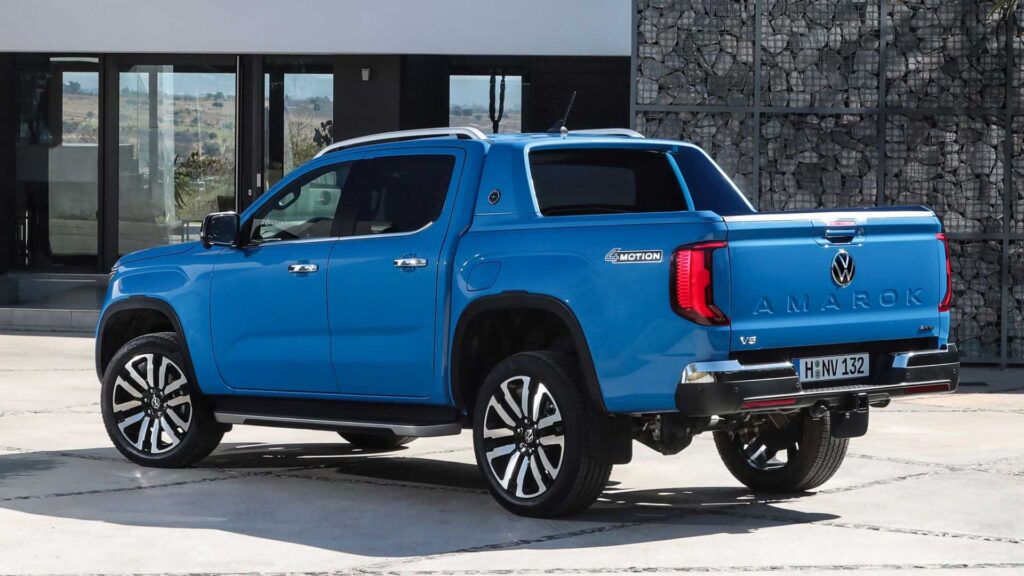
The Adventura will also receive the same 2.3-litre turbo-petrol engine producing 222kW. According to Volkswagen, this follows decision follows after customer demand. More importantly, the Adventura's engine will be paired with a 4Motion setup, unlike the newly launched 222kW Ranger, which is offered in two-wheel drive form.
So then, this became a story of redemption of sorts for the boy (Volkswagen) who was once a star but slowly found himself overshadowed. A chance to prove he hadn't lost any of his shine.
The First Leg of the Trip
The adventure began with a short but tricky route from McCarthy Volkswagen Durban dealership branch, where the media contingent had to choose from a fleet of PanAmericana and Style derivatives and even with local advantage, we missed out on the chance to grab hold of the V6.
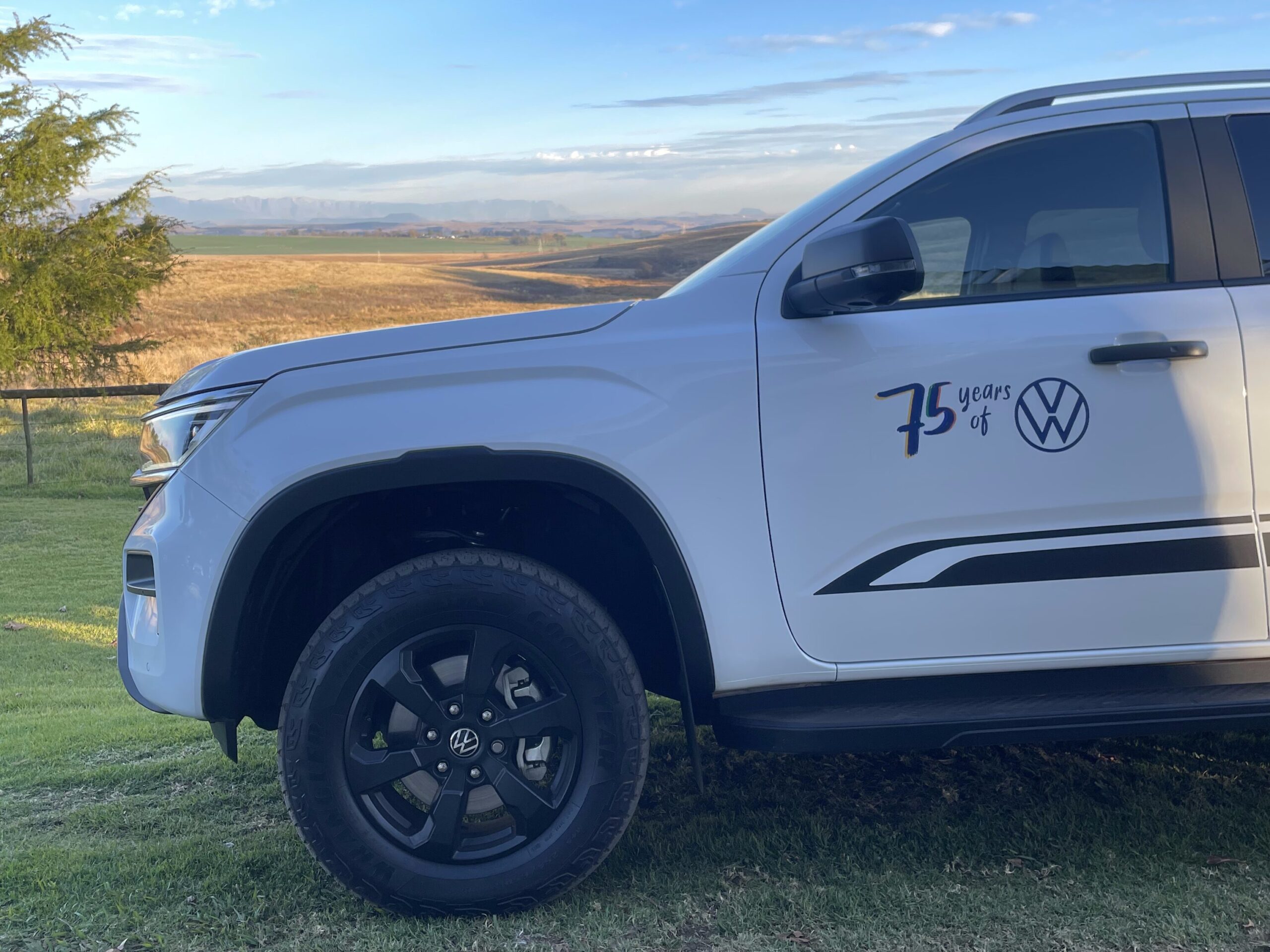
That alone was already a tell-tale sign that this wasn't going to be some fancy on-road excursion following the easiest route possible. Instead, it would be a journey designed to push the vehicles and ask difficult questions, particularly as both derivatives are aimed specifically at the off-road enthusiast.
The Second Leg: Conquering Sani Pass
A week before the trip, the South African Weather Service had issued major warnings advising motorists to stay clear of Sani Pass after a severe snowstorm left sections of the route effectively undrivable.

Like many of the journalists attending, we called ahead after hearing the news, fully expecting Volkswagen to postpone the event. Volkswagen had other ideas. The answer was simple: there was no turning back. "By the time we arrived, the storm would have passed, roads would be cleared, and the route would still be traversable." At 8:30am, armed with double layers of almost every clothing item we owned, we set off towards Sani Pass route from the Midlands, Fordoun Hotel & Spa to be more specific.
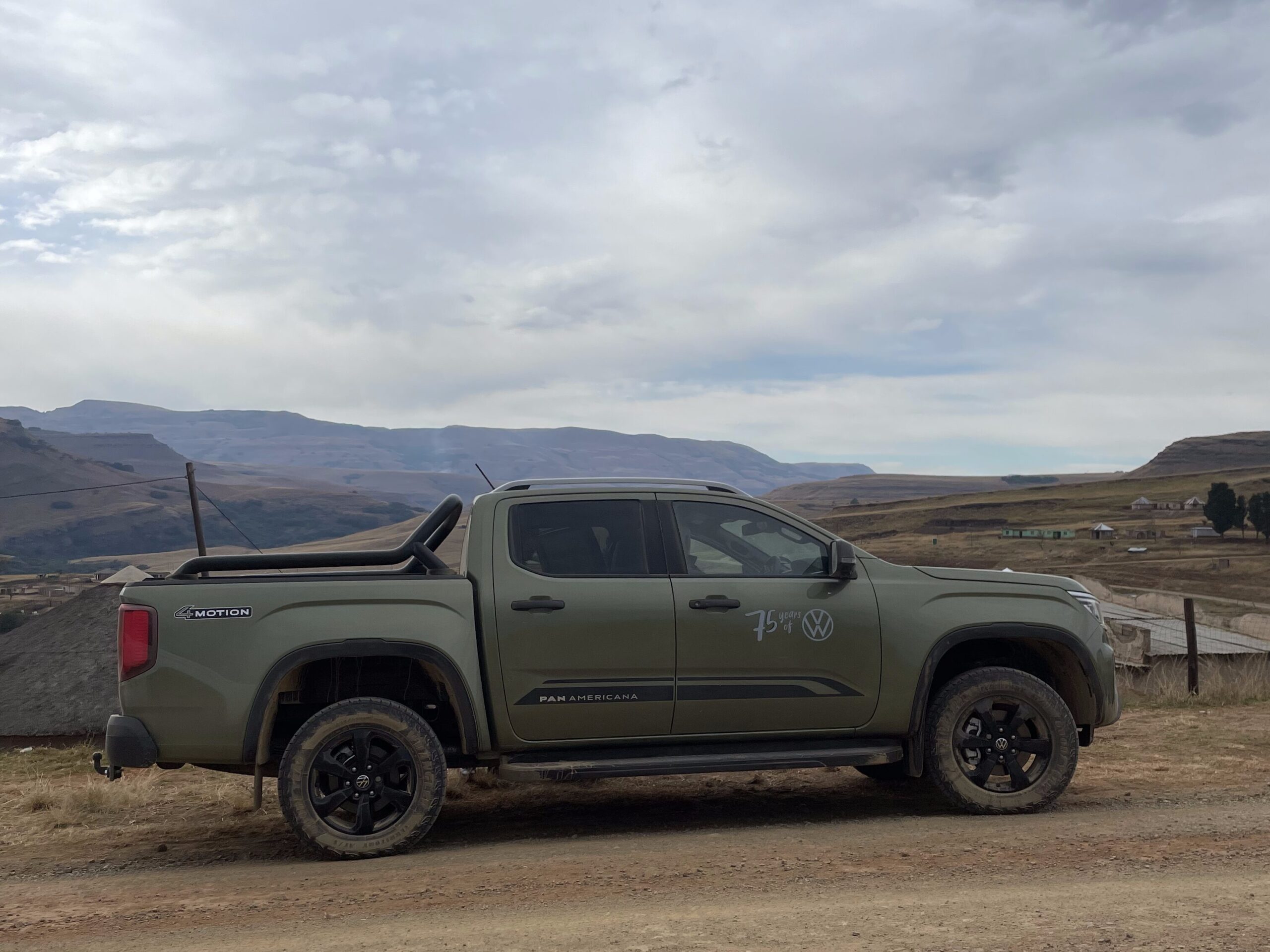
And no, we didn't take the comfortable route through Underberg. Instead, Volkswagen sent us on a roughly 400km journey consisting almost entirely of dry, rocky gravel roads through the small town of eLotheni — a route specifically chosen to showcase what a bakkie can do when subjected to genuinely testing terrain.
The Third Leg of the Trip
How much gravel road can one travel in a single day?
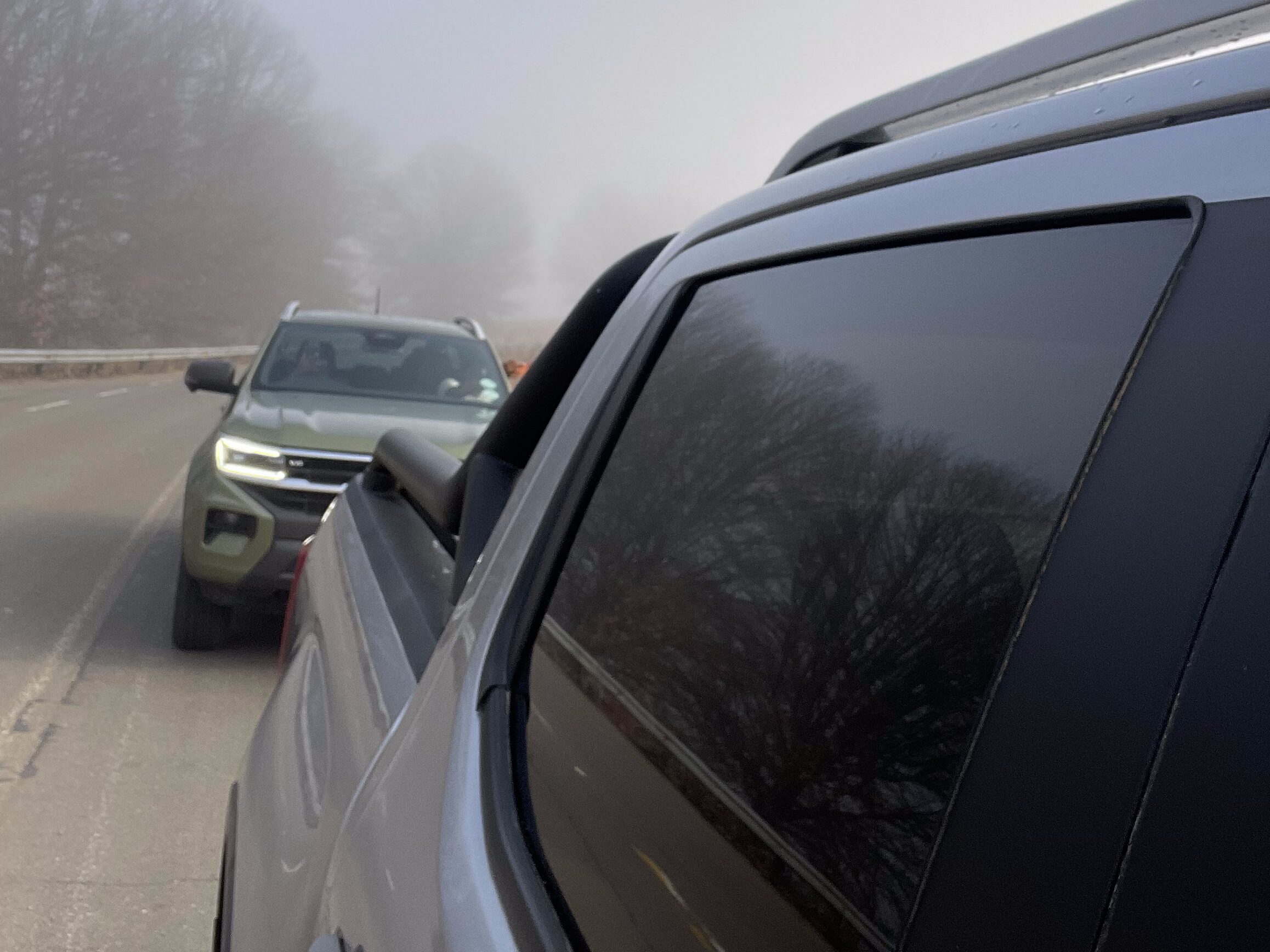
That is probably a question Volkswagen is uniquely qualified to answer because somehow they managed to find nothing but sour, dry, tricky and dusty gravel roads as our route towards an overnight stay in the Eastern Cape Midlands town of Barkly East. Nonetheless, this proved to be the perfect opportunity to evaluate build quality. Yes, bakkies are tested extensively to ensure they're robust and built to handle abuse. But could changing drivers, growing fatigue and varying levels of skill behind the wheel expose weaknesses in the Amarok? The answer was a resounding no.
The build quality shone brightly as the unforgiving terrain delivered blow after blow to the Amarok's independent double-wishbone front suspension with coil springs and stabilisers, while the live rear axle and leaf spring setup absorbed punishment from the rear. Yet throughout it all, the Amarok remained impressively tight. More notably, the cabin stayed solidly put together, with little to no creaks, rattles or squeaks making their way inside.
Awesome.
The V6 TDI 184kW
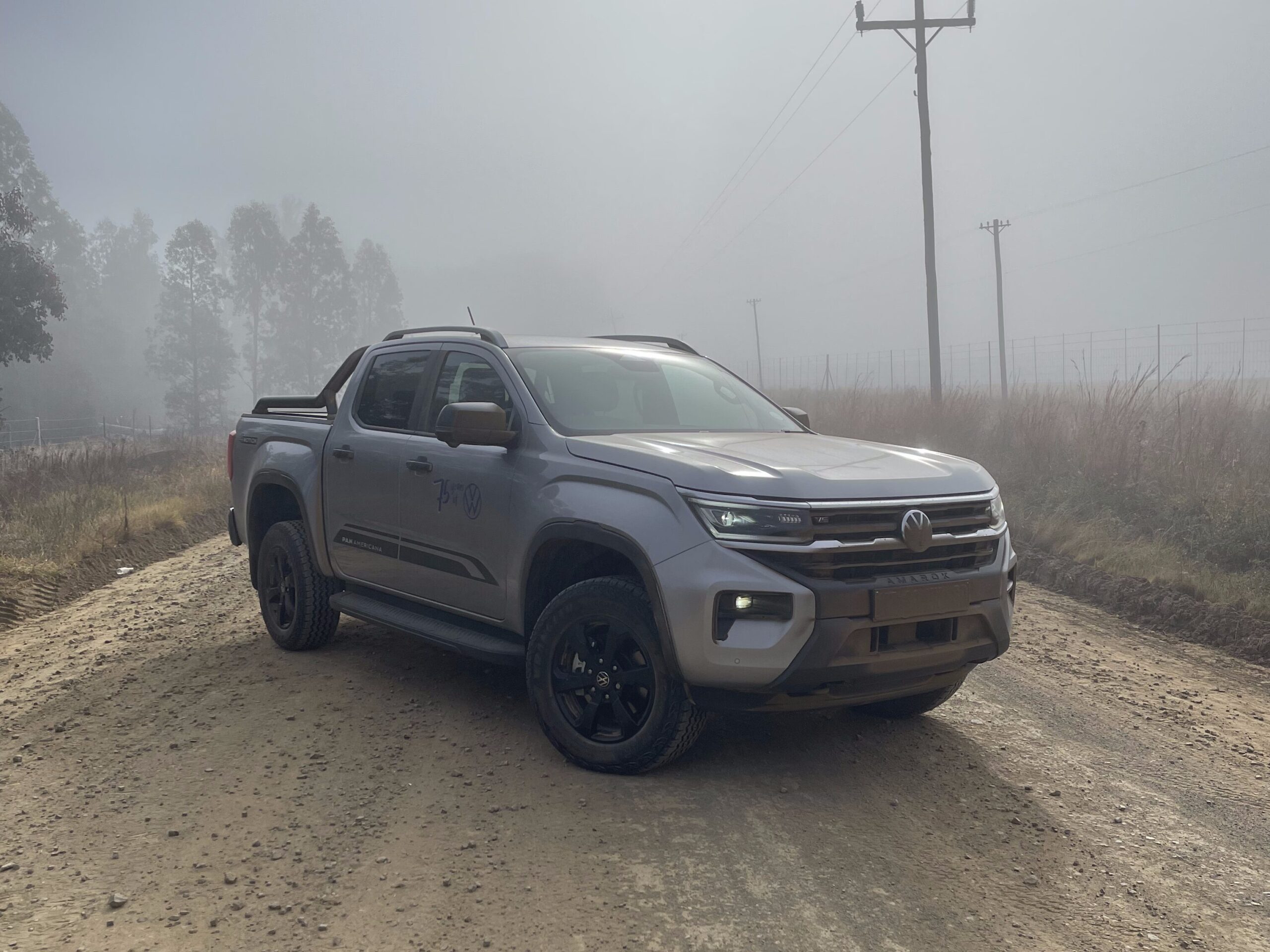
Admittedly, this was my first proper experience behind the wheel of the synonymous V6 — an engine that is largely responsible for why the Amarok enjoys the reputation it does today. Many regarded it as the GTI of the bakkie segment. But has any of that character been lost since Volkswagen's alliance with the Blue Oval? Not really. The V6 remains the heart and soul of the Amarok. However, it feels more mature now.
Where the previous generation seemed obsessed with acceleration and outright pace, this iteration appears more focused on torque delivery and usable performance. That's not to say it's slow — far from it — but now it feels like it has discovered a greater purpose beyond simply chasing numbers.
The PanAmericana 222kW
Power galore.
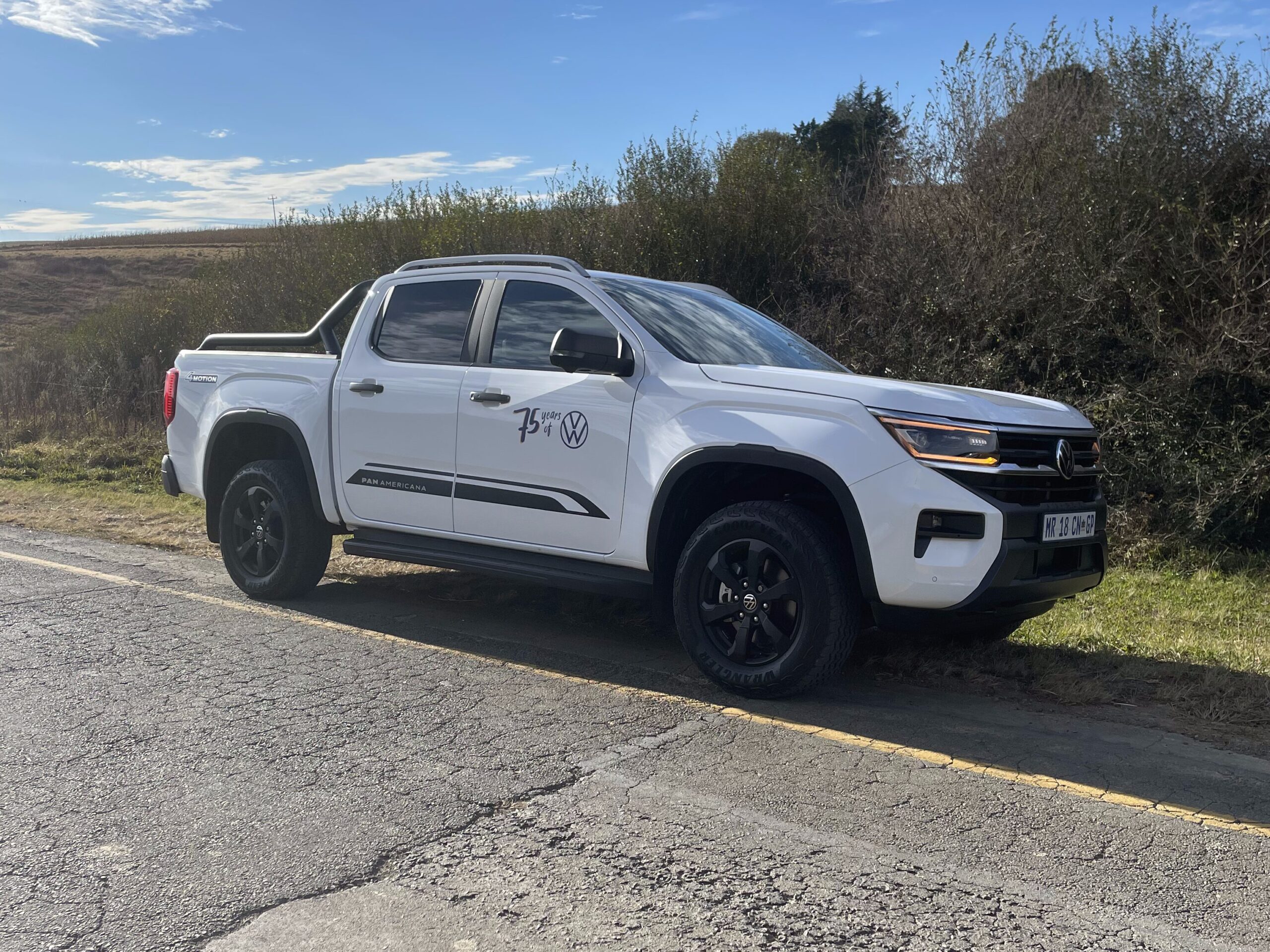
Whilst travelling single file in convoy formation, open stretches of road allowed these vehicles to stretch their legs and, my word, does this thing drop a gear and disappear. Perhaps even more impressive was how the turbo-petrol motor managed respectable fuel consumption figures. I genuinely expected far more frequent fuel station visits than what reality delivered.
Whilst I still think this variant sits slightly on the crazy side of the spectrum, I also can't deny that it kept a permanent smile on my face throughout the trip. Whether on gravel or tar, the PanAmericana performed admirably, maintaining the soft and comfortable ride quality expected of an Amarok while also stepping up whenever steep inclines or challenging terrain demanded more from it.
The Life 125kW
A simple man's bakkie. Here you trade the keyless fob for a more traditional pop-out key that slots into the ignition to bring the Amarok to Life. See what I did there?
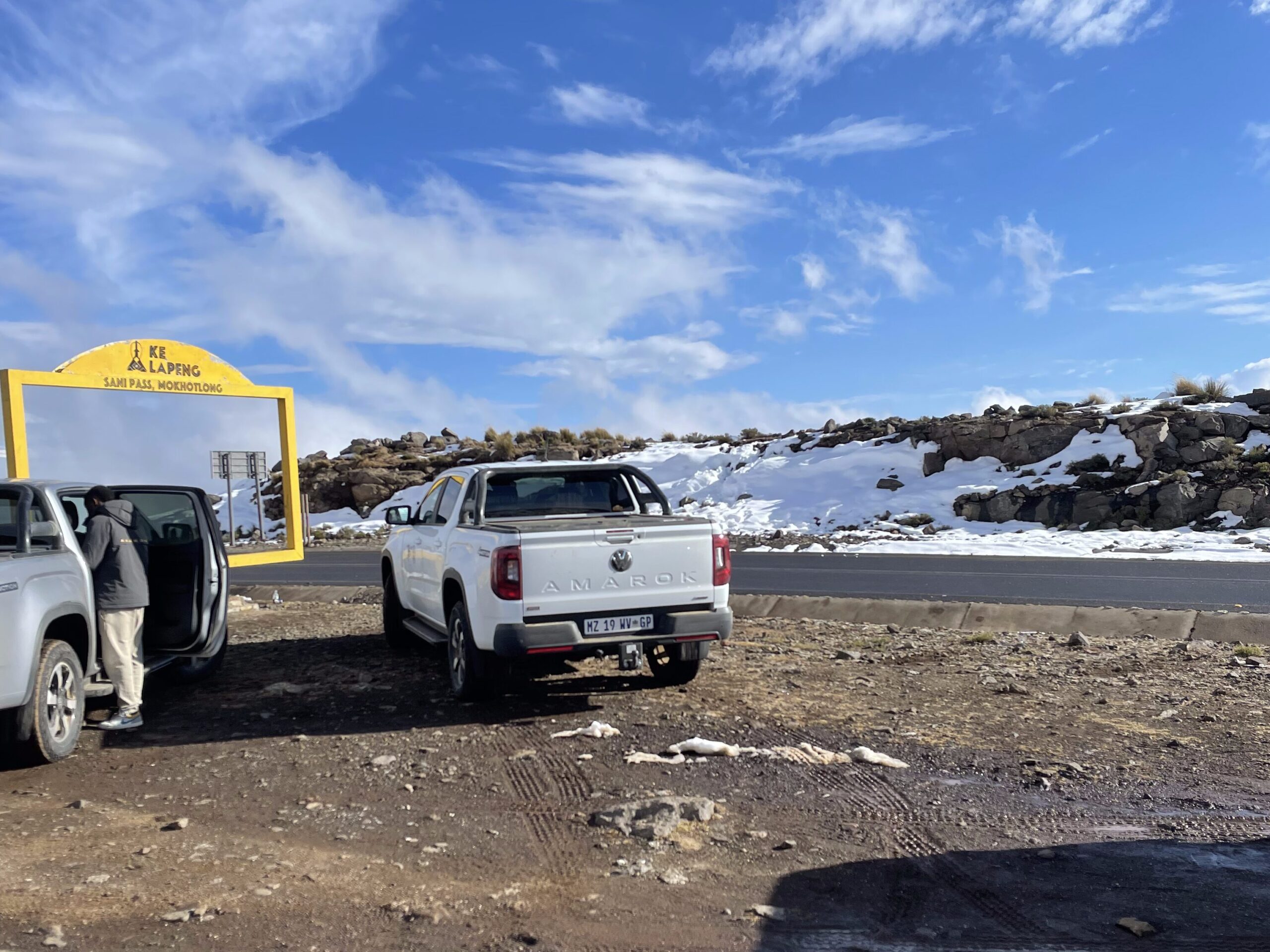
Whilst some buyers may see the loss of certain features as a deal-breaker, the average consumer may appreciate the simplicity. Fewer features often translate into fewer headaches when maintenance time arrives.The Life is powered by a 2.0-litre single-turbo diesel four-cylinder engine paired to a six-speed automatic transmission, as opposed to the ten-speed automatic found in the PanAmericana and Adventura derivatives. Don't let the lower power figures or reduced gear count fool you.
Faced with the same harsh conditions as its more expensive siblings, the Life held its own remarkably well. Externally, it loses out on Volkswagen's intelligent IQ.Light system and self-dimming functionality designed to avoid dazzling other road users. However, it still features automatic lighting and rides on a wheel design that, in its own right, looks rather good.
Inside, seating remains comfortable and spacious. There's slightly less leather and no heated seats — features that would certainly have been welcomed while facing temperatures below 3°C — but the dual-zone climate control system did a fantastic job of keeping the cabin warm. Perhaps most importantly, the use of simpler materials means cleaning and maintaining the interior should be considerably easier in the long run.
After the daunting travel we finally concluded
We travelled over 1,000km in a fleet of vehicles across various climates and regions, from Barkly East and Graaff-Reinet or to the KZN Midlands. We encountered tricky terrain, often under a time crunch, and yet these vehicles still stand as if nothing really happened.
The most notable aspect of our journey has to be the ride quality. For a bakkie, the Amarok delivers one of the smoothest and most forgiving rides I've experienced. We pushed these vehicles hard throughout the week and, through it all, the Amarok maintained its composure, remained comfortable, and showcased a spirit that simply wouldn't quit.
It also challenges the perception that modern bakkies are little more than lifestyle vehicles. After spending a week behind the wheel, it's clear that while the Amarok offers all the comfort, technology and refinement buyers want today, it hasn't forgotten what a bakkie is supposed to do. You've got genuine off-road capability, a comfortable ride, plenty of space, and more than enough features for both convenience and safety.
Whether you're looking for a workhorse, an adventure companion, or something that comfortably bridges both worlds, the Amarok makes a strong case for itself and certainly deserves its place among the top contenders in the segment.