

Volkswagen has finally entered South Africa's plug-in hybrid space, and fittingly, it has done so with one of its most recognisable nameplates. The all-new T7 Caravelle not only ushers in a new generation of people mover but also becomes the first plug-in hybrid Volkswagen to officially go on sale locally.
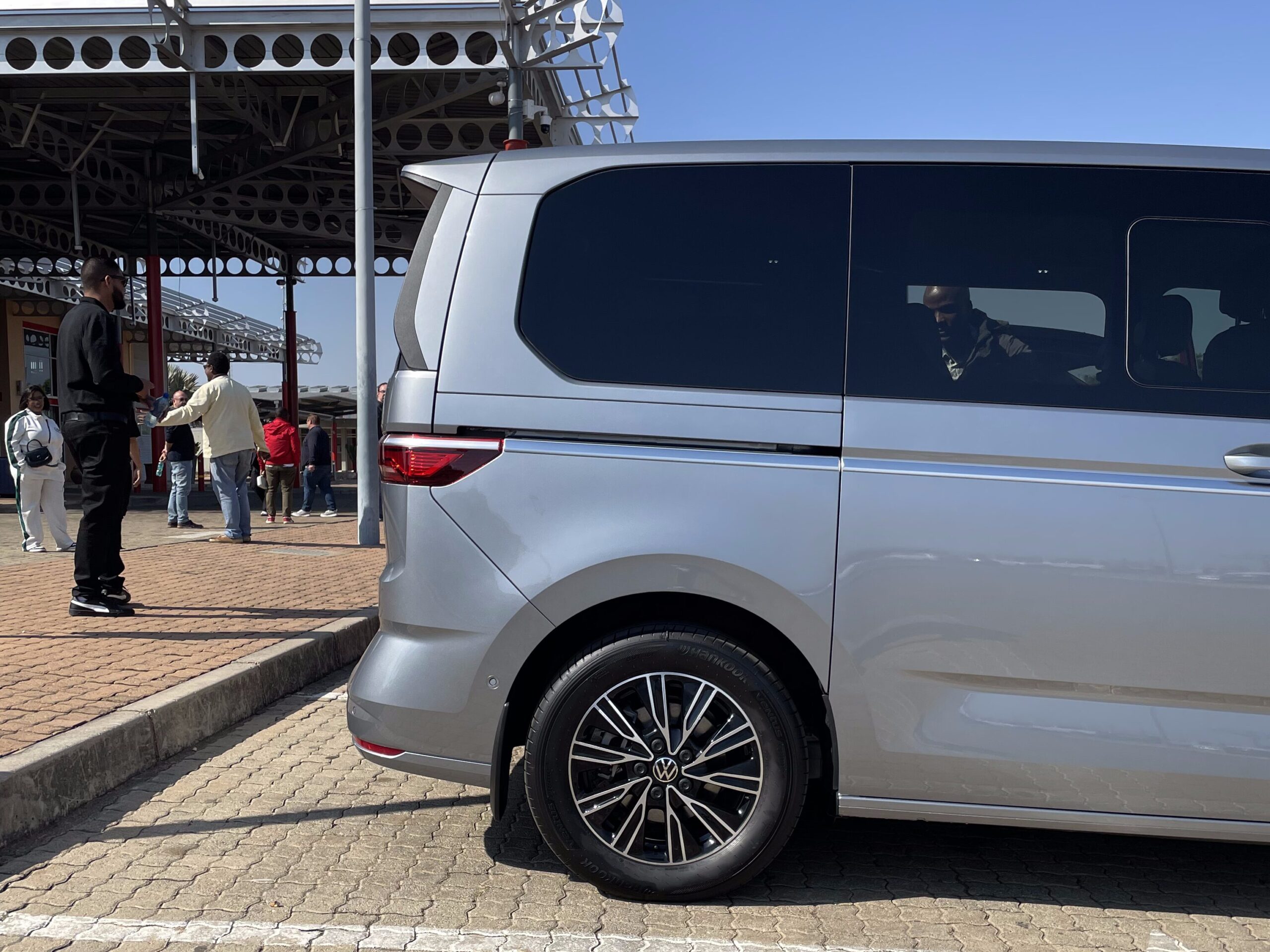
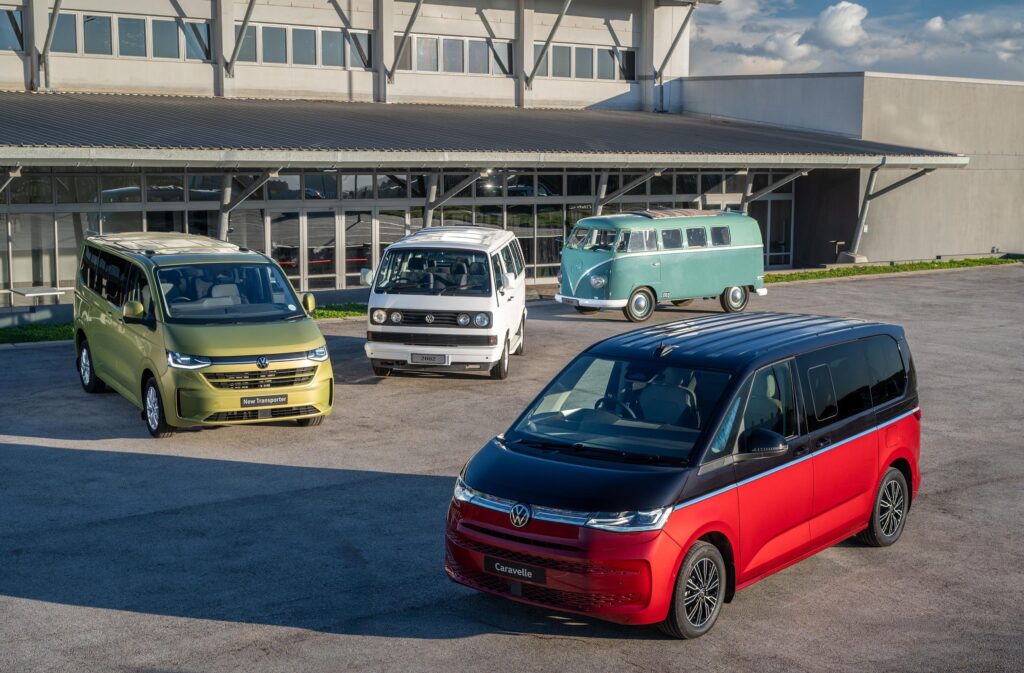
Few vehicles have found themselves woven into South African life quite like the Volkswagen Transporter. Whether it was an early morning school trip or even a family road trip, the Caravelle, in particular, has played a huge role in Mzansi culture, as it has gone so far as to earn names like the Caracara or the Children Transport bus.
This Caravelle Transporter stands as a very important model for Volkswagen Group Africa, as it is set to be the first NEV vehicle introduced after what has been a delay in the brand's lineup that was caused by issues arising from fuel quality studies that deemed most models, including the Golf GTI 8.5, as not worthy of market introduction under the fear of the cars being damaged prematurely.

The T7 ushers in a new age of technology that has trickled down from the likes of the ID Buzz in the effort to improve mobility solutions, a priority VW is keen on addressing.
It represents how the brand is finally getting on board with the electric-based lineup mandate that most brands have adopted in our market, with the Volkswagen Group having fallen behind. With that being said, we had to question whether this vehicle still encapsulates what it means to be a transporter in important areas like comfort, space, and configurability.
For starters, it is important to point out that this model of the transporter is built in Germany by the company and is not like the existing Transporter bus, which is a product of a joint venture with Ford. So in some regards, this means that the new Caravelle has more of the VW DNA, which is quite apparent as soon as you lay your eyes on it.
The looks of the vehicle are quite different
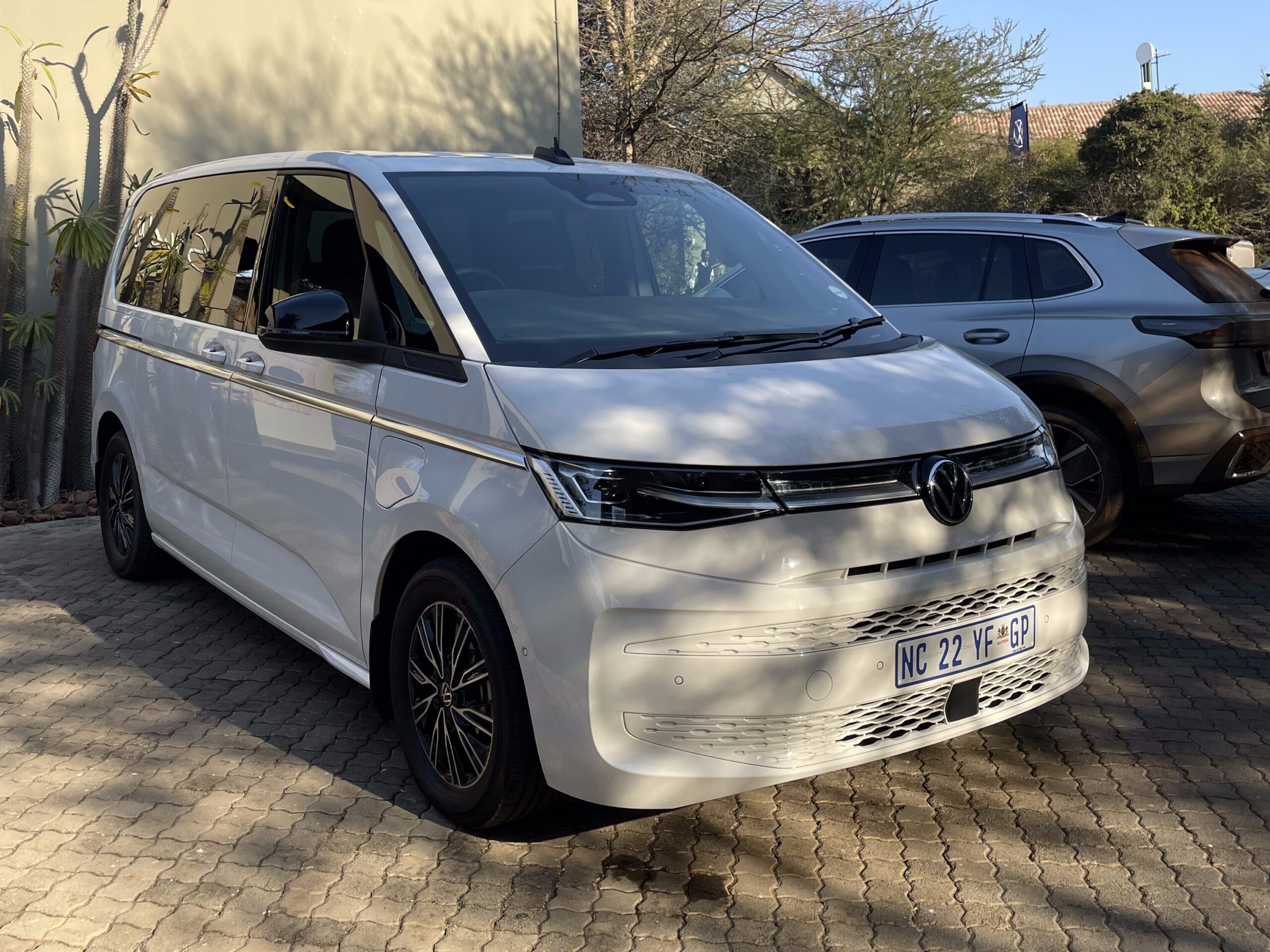
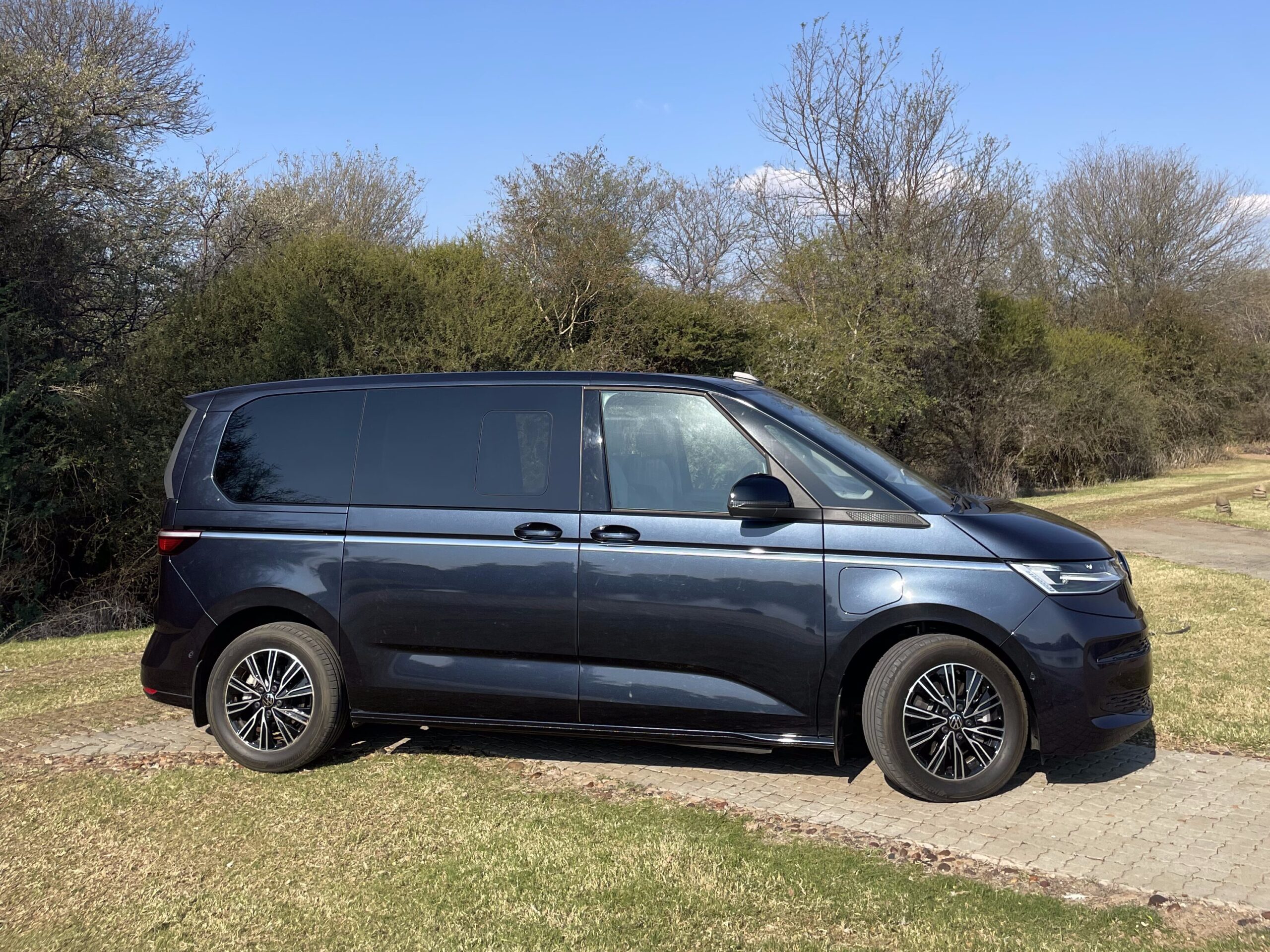
The face of the Caravelle features a body-colored grille and lower bumper opening which feed into an EV-inspired look. If you squint your eyes, you might see a slight resemblance to the ID Buzz bus. We learned that South African units will only be available in a shorter wheelbase, which measures at 5,050 mm. This is an okay length, but it does make it a shorter vehicle than the Ford-derived Transporter.

The side profile gains a chrome accent that spans the entire length of the vehicle and the iconic electrically operated sliding door. There is no sunroof on these models since the South African unit allocations couldn't have this feature due to availability and the roof not having a sunshade, which would not be suitable for our sunny climate region. Seventeen-inch Dundrod alloy wheels fill the vehicle's arches and complete a ground clearance of approximately 201 mm to 222 mm.

The rear is home to a big electrically operated boot lid that houses a boot space of 469 litres with all seven seats up, additionally, there is a bit of parcel shelf going on to sectionalize your luggage however In practice, the boot looked shallower than the numbers suggest.
Inside the spacious and very configurable
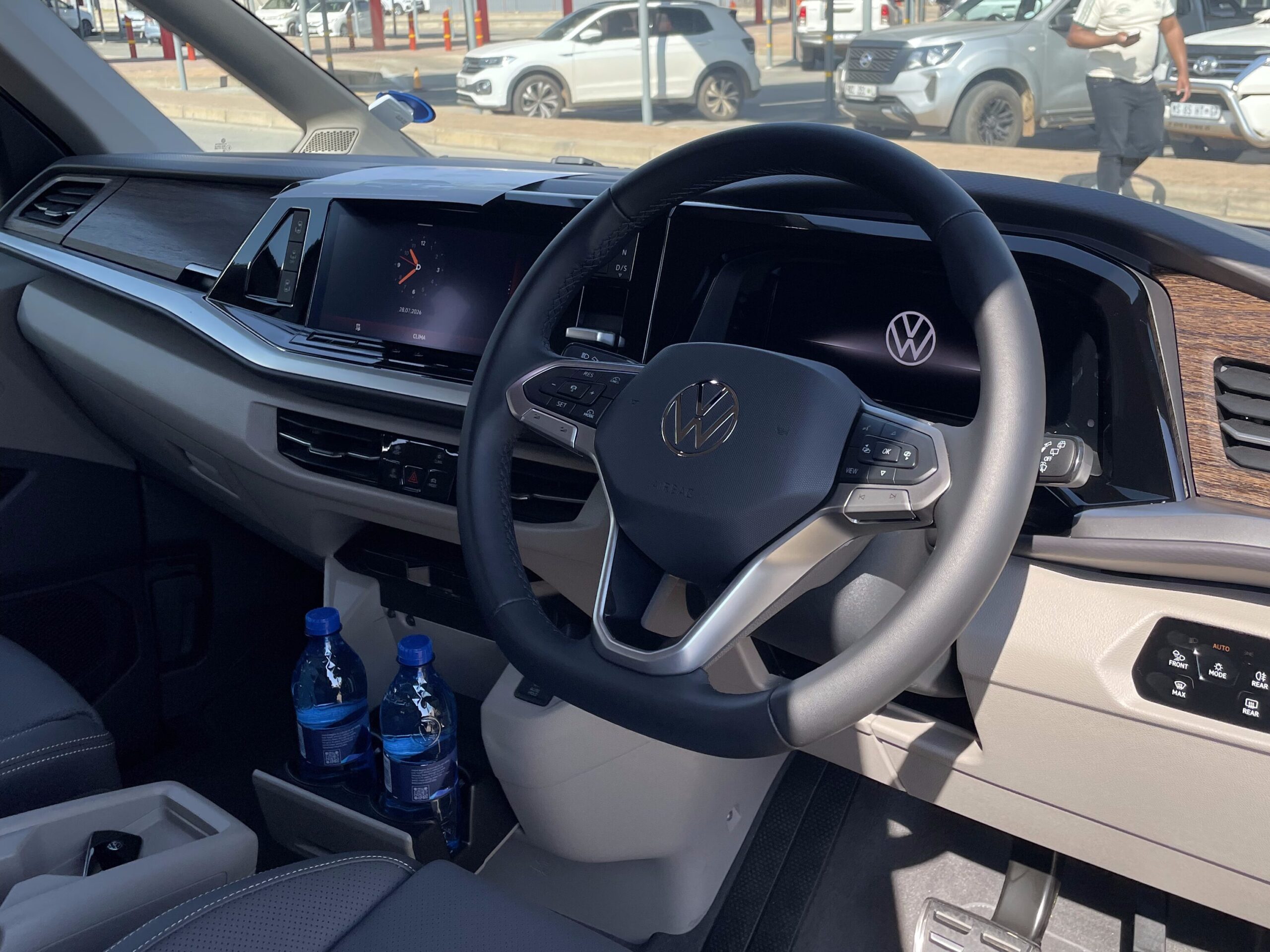
It is a much more familiar VW setup in the cabin, and you even get some wood trim that spans the dashboard. An infotainment screen sits at the center of the dashboard and houses all of your crucial functions, like phone connectivity aids and vital energy information. The driver gets their very own crisp and intuitive screen that displays all the vitals, like tire pressure, and since this is a hybrid, you have detailed readings of how much fuel and energy you are currently consuming and where it is being put down on - pretty neat.
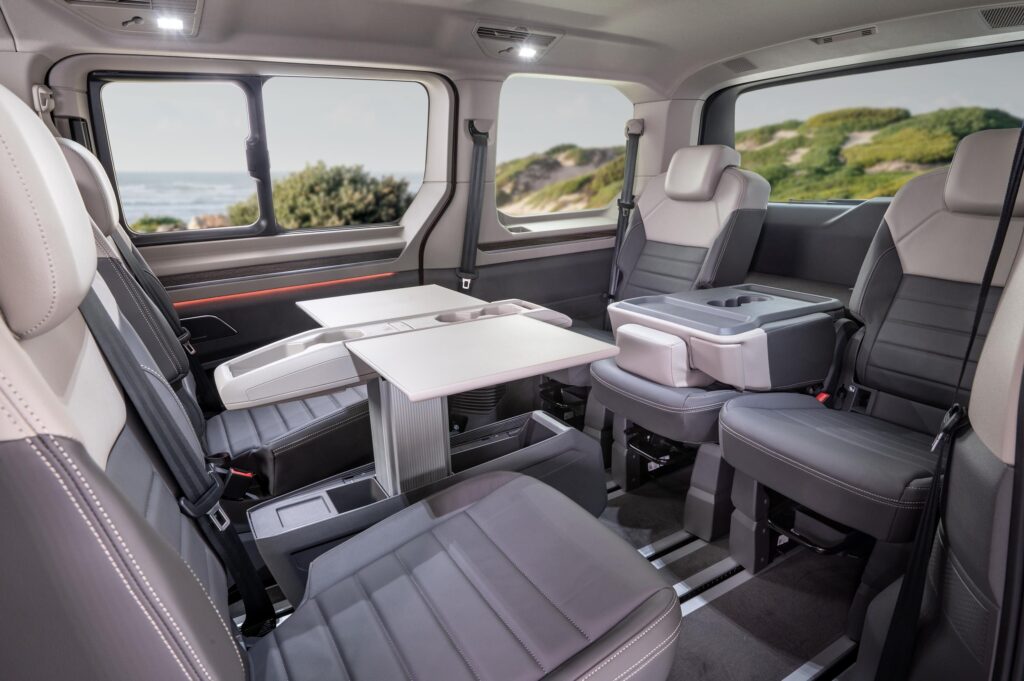
Caravelle customers can still benefit from the ever - configurable seven individual seating arrangement that allows occupants to change the positioning of the seats, thanks to sliding rails integrated into the floor, allowing them to slide them forward or backward, or turn the middle row around to face the back. One can also move around the central multifunctional table setup for ease of access when playing board games on long trips. Additionally, the seats of the Multivan can also be completely removed when you need to carry large loads.
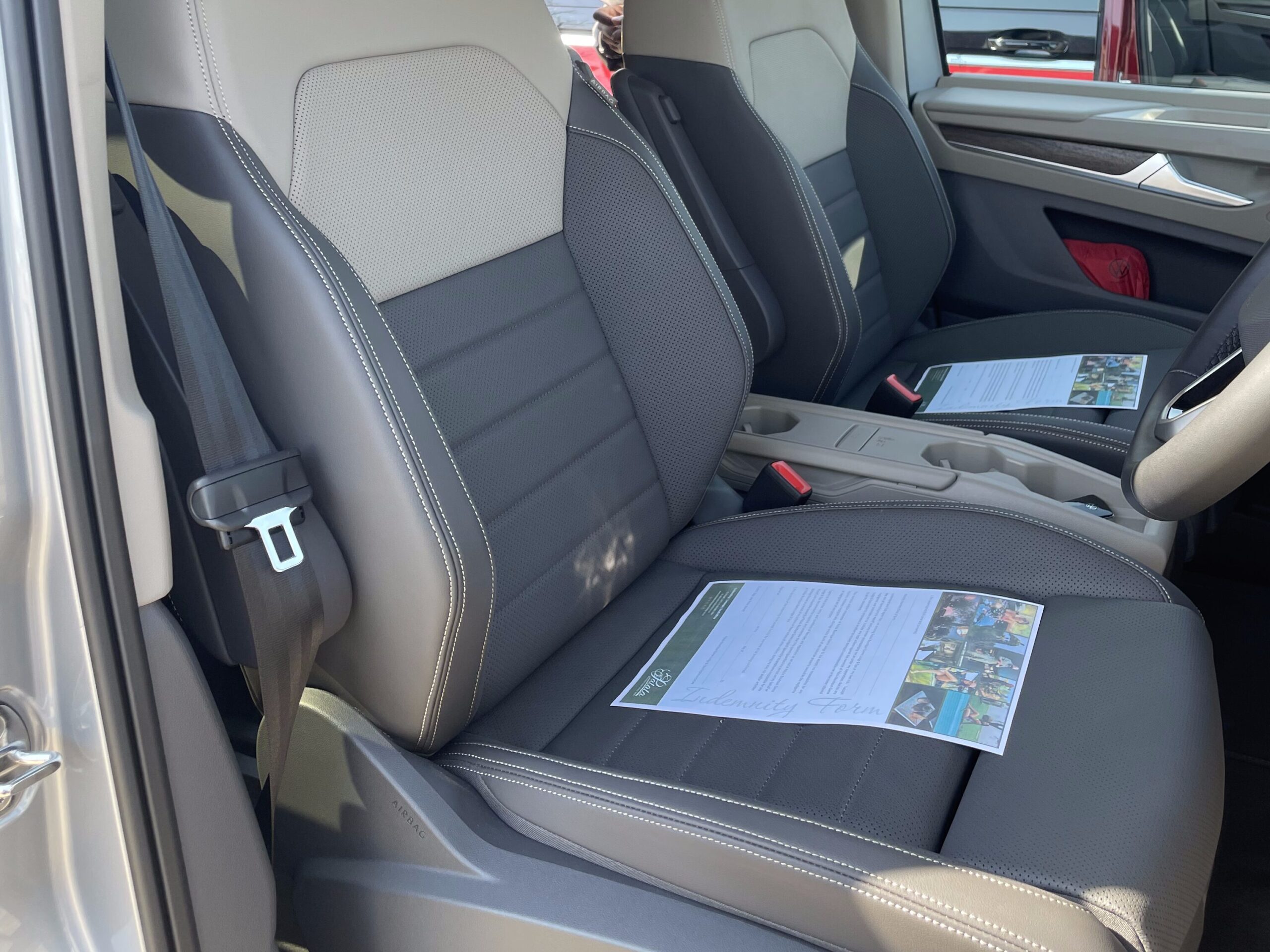
Since the units allocated for Mzansi are more or less fully specced from purchase this means that the car comes with nicities such as three-zone Air Care Climatronic climate control with an additional rear passenger control panel, (a optional) Harman Kardon premium sound system with 13 speakers, 840 watts of output and a dedicated subwoofer, a leather-wrapped multifunction steering wheel with shift paddles, and 30-colour ambient lighting, including second-row footwell illumination.
The party piece lives within the heart of the new Caravelle
Beneath the skin of the new van is a newly developed 1.5-litre TSI evo2 turbocharged petrol engine, producing 130 kW and 250 Nm of torque, with a high-performance electric motor integrated into Volkswagen’s advanced six-speed DSG transmission. What makes this system particularly interesting is Volkswagen’s electric bits, which work with the internal combustion bits in tandem as opposed to a traditional setup where the electric motor merely supplements the combustion engine.
The 19.7 kWh high-voltage lithium-ion battery, allows for travel up to 95 kilometres in all-electric mode. Furthermore, when both ICE and batteries are filled, the Volkswagen is able to travel up to 700 kilometres in full range. The smart hybrid allows for the hybrid management system to automatically transition between electric propulsion, petrol power or a combination of both, to maximise efficiency while maintaining exceptional performance.
How does it put its power down exactly?
Unlike most Hybrids, the Caravelle is actually an all wheel drive vehicle at times. This happens due to the power distribution of the eHybrid 4MOTION system which is regulated via Electronic Stability Control (ESC) and is variable depending on the drive situation or traction at the axles. In short, up to 100 percent of drive force can be directed to either axle, with electric rear-wheel drive available even with an empty battery. All-wheel drive activates in sport mode or with Sport ESC settings up to 130 km/h.
The drive

A three hour drive from the Polokwane international airport set up for tar travel with just a bit of gravel on the tail end of destination. I had a go first at the car and this is where I learned that the vehicle starts up in EV mode which can take you a long distance away before the engine wakes up and steps in. This makes for a smooth and seamless take off, can't forget a quite one.
The seating position at the drivers seats was very much easy to obtain and almost felt like it already knew I was coming to have some time on the wheel, as we set off I noticed just how quite and seamless the transition of the electric parts into the engine gearing up was. The cabin was comfortable and really brought about a sense of spaciousness and adventure about the vehicle, the Volkswagen personelle were even kind enough to bring along some board games for the trip ahead.
But that is all I can spring up for now on my experience which means I am most eager to have this vehicle on test and can almost be sure I will tag along with the family for a very short or long trip just to test its claim as the most economical Caravelle ever as well as if it is even worthy of the name.
Prices (VAT and emissions tax included)
Volkswagen Caravelle eHybrid : R1,794.000
The new Caravelle eHybrid comes standard with a 3-year /120 000 km manufacturer warranty and 5-year/ 100 000km Easy Drive maintenance plan including a 12-year anti-corrosion warranty. The service interval is 15 000km. Battery warranty is 2 years unlimited or 8-year/160 000km.
Launch drives only offer a brief introduction, and the Caravelle has already left enough questions for a proper week-long test. I want to see whether it can truly deliver on its promise of being the most efficient Caravelle yet—and, perhaps more importantly, whether it still captures everything South Africans have always loved about the nameplate.