
In the modern era, we have seen a great shift in being more conscious about Mother Nature from almost all ends of the global industries, especially in the world of transportation. Many OEMs have made a pact to change the scale of producing internal combustion engines in exchange for cleaner alternatives like nitrogen-powered vehicles, biofuel research , and the now unavoidable surge of electric cars.

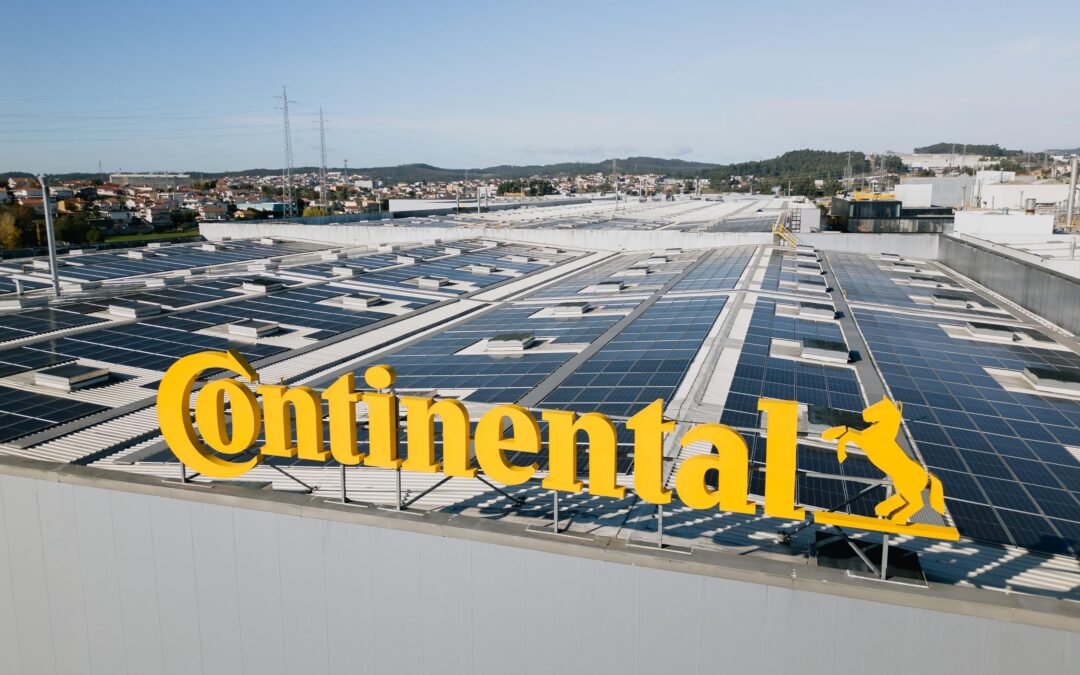
In an effort to play a crucial role in ensuring that everyone is committed to the greater goal of a greener tomorrow, Continental Tyres has come forward to say that they too are ready to drop the habits of old to adopt and adapt to new times by introducing alternative energy sources to generate the steam required for manufacturing tyres and heating.

“For us, coal and heavy fuel oil are a thing of the past. The future increasingly lies in renewable energies,” says Dr. Bernhard Trilken, head of Manufacturing and Logistics at Continental Tires. “By relying on a smart mix of energy sources – increasingly renewable and ideally generated directly on site – we are making our manufacturing more independent and therefore more resilient.”
Just before the year 2020, 19 of Continental’s production facilities worldwide relied heavily on coal and heavy fuel oil to generate steam. This was of course to ensure constant thermal output and high operational reliability even in regions with limited gas or electricity infrastructure. Now though, all Continental tyre plants draw on a diversified mix of alternative energy sources, enabled by systematic and long-term investments.
Understand that in tire manufacturing, a significant amount of energy is needed for heating processes such as vulcanization, which gives rubber its elastic properties. This method has been using steam produced directly from fossil-based energy sources, but now there are new advanced electric technologies that make the process far more flexible and more energy-efficient.

Continental employs a diverse range of energy sources to minimize carbon emissions in tyre manufacturing, with the use of biomass, biogas, renewable electricity, liquefied petroleum gas (LPG), and natural gas. Continuous investments in electrification and alternative heating methods have notably decreased production-related CO₂ emissions, as highlighted by Henning Mühlenstedt from Continental Tires. The energy mix varies at global production sites due to regional factors, but all locations share a commitment to phasing out coal for lower CO₂ intensity energy sources.

In Gqeberha, South Africa, coal has been replaced with biomass and LPG for steam generation. Meanwhile, the Kalutara plant in Sri Lanka has transitioned to generating steam solely from renewable biomass after installing a second biomass boiler. In the Czech Republic, the Otrokovice plant collaborated with a local energy supplier to shift steam generation from coal to biomass and natural gas. These initiatives are in contribution to Continental’s goals of sustainability and enhance environmental efforts in local communities, earning the company an A-rating from CDP in 2025 for climate transparency and CO₂ reduction.