
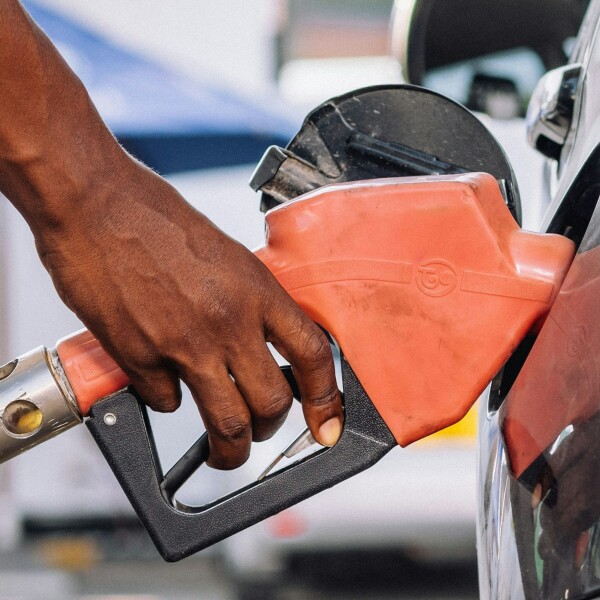
In the Month of February into April news of a shocking fuel hike was announced with the headlines declaring that for the first time in a very long time, Diesel would be the most affected by the hikes instead of petroleum which is almost always the usual suspect of a fuel hike. The government was then pressured to make a move that would provide South Africans with temporary relief on the fuel levy, easing the effects of the hikes that had a heavy gash on the pockets of car owners.

Furthermore, the Government has decided to once again extend the relief period in order to lessen the impact on South African motorists. For context, this relief means petrol will be R3.00 per litre cheaper and diesel R3.93 per litre cheaper, effectively making the planned increase zero.
So yes of course, as from today 6 of May 2026 a motorist can expect to pay R3,27 more per litre of petrol while drivers of diesel vehicles face a massive R5,26 per litre. This means that Petrol now costs R26.52 per liter over the previous amount which was R23.25 whilst you can expect to pay R31.88 over the previous amount which was at R26.11 per liter.
This might mean that the average fuel tank filling would cost a minimum of R500 more per tank after the increase. MasterDrive has seen the opportunity to advise all South Africans on the roads with some strategies to lessen the overall effects the increase may have on your pockets. The CEO of MasterDrive, Eugene Herbert, says incremental tweaks to driving habits are no longer enough. "Instead, it requires a fundamental shift in how drivers and fleet managers think about fuel."
Think in rands for fuel savings, focusing on actual numbers instead of percentages. A 15% fuel saving can lead to over R11,300 annually for a vehicle driving 3,000 km monthly and over R1 million in savings for 100 vehicles through eco-driving. Fuel efficiency framed in rands enhances urgency and buy-in. Key saving strategies involve improving driving behavior and maintaining vehicles; factors such as incorrect oil viscosity and under-inflated tires increase fuel consumption.
Cold starts and peak congestion also raise use; smarter scheduling, consolidating errands, and avoiding traffic can help. Fleet operators should transition from assumptions to evidence using telematics to identify and target problem behaviors, potentially cutting consumption by 15%. Eco-driving courses can reduce fuel use by 15-20%, ingraining economical driving as instinct. With fuel price uncertainty, instilling a culture of efficiency across journeys and service intervals is crucial for control before fueling.