
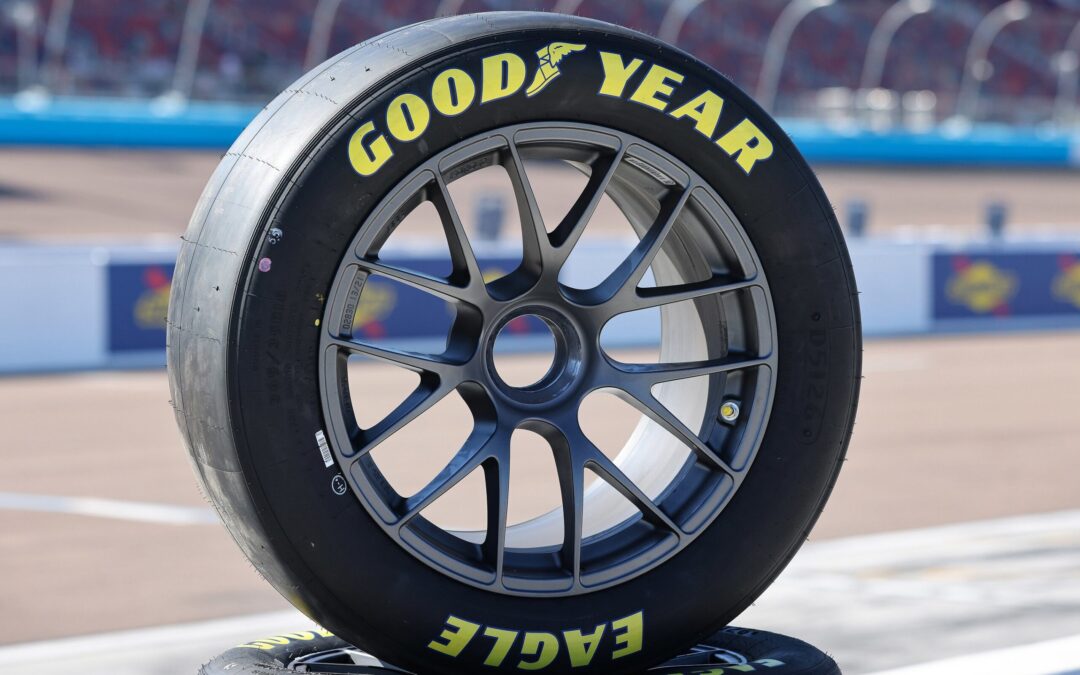
One of the more prominent tire manufacturers has decided to bow out of our national market after being in business for over 78 years, leaving many without jobs.
So why did the Nelson Mandela Bay situated plant shut down? The initial closure is subject to a global restructuring strategy that aims at optimizing the footprint and cutting costs by downscaling in a process of determining which branches are deemed slow or costly.
One of the varying effects was market pressure, specifically because more consumers and suppliers were opting for cheaper alternative tire manufacturers and their lower export prices. Some budget-friendly tire brands like Maxxis, Max Trek, and Accelera offer competitive pricing and can be found at online retailers or local tire shops.
The financial point of pressure involves the costs of extracting raw materials, supply chain disruptions, and, of course, the decrease in demand in certain markets. Local factors have included the persistent load shedding implementations that have been detrimental to many businesses, logistical bottlenecks at ports, and rising operational costs at railways. Such issues have been a thorn for most businesses trying to thrive in the market.
It is projected that over 900 people are in line to lose their jobs, throwing those unfortunate individuals into the ever-present unemployment rate in South Africa that stands at around 32%, with youth unemployment even higher. The province of the Eastern Cape will be heavily affected by this shortcoming, as it is already struggling and may face economic stagnation as a result of joblessness or forced relocation. This will increase poverty, household instability, and reduced expenditure in the local economy, all of which will later influence society and the national economy.
Although this is a tough outcome, the CEO of the Nelson Mandela Bay Chamber, Denise van Huyssteen, has encouraged workers by stating that they will be assisted through the job loss mitigation initiative. This initiative will ensure that all who lost their jobs are connected with companies to hopefully become employed again.
Van Huyssteen additionally expressed how the chamber was saddened to receive the news of the Goodyear retrenchments at the Kariega factory.
“This comes just months after ContiTech announced that it was closing its plant and the Bridgestone plant closure from over four years ago.” While the above mentioned factors might not be the only reason Goodyear is closing down, South Africa’s B-BBEE policies have also been cited as a contributing factor in many disinvestment decisions, and when looking at recent history, you find that this isn’t the first time B-BBEE has been linked to corporate exits.
In 2023, Nissan South Africa announced a review of its Rosslyn plant’s future, sparking fears of a potential closure due to many factors including the B-BBEE policies. Essentially, the B-BBEE regulations are designed to redress historical economic inequalities by encouraging black ownership, management representation, and procurement from black-owned businesses, but most of the time they end up making the country look less attractive to multinational corporations.
Nduduzo Chala from the South African Tyre Manufacturers Conference, which represents the four big tyre manufacturers in South Africa, said that trading conditions for local manufacturers had been very difficult over the past few years. “The market has been plagued with an unfair trade environment. It is a question of producers versus importers, and low-cost products have been introduced into the market,” he said.
After more than a year of trying to get the government on board to implement an anti-dump clause on China, as the country had been endlessly finding loopholes to continue importing and exporting, China is also now moving major operations to Thailand, Cambodia, and Vietnam, although Chala claims that “those countries must also undergo an anti-dump clause.”