

This might be the biggest "Hold my drink" moment by Jetour with the brand officially addressing a regulatory issue that had raised questions about the payload capacity of its T1 and T2 models in South Africa.
What was the issue?
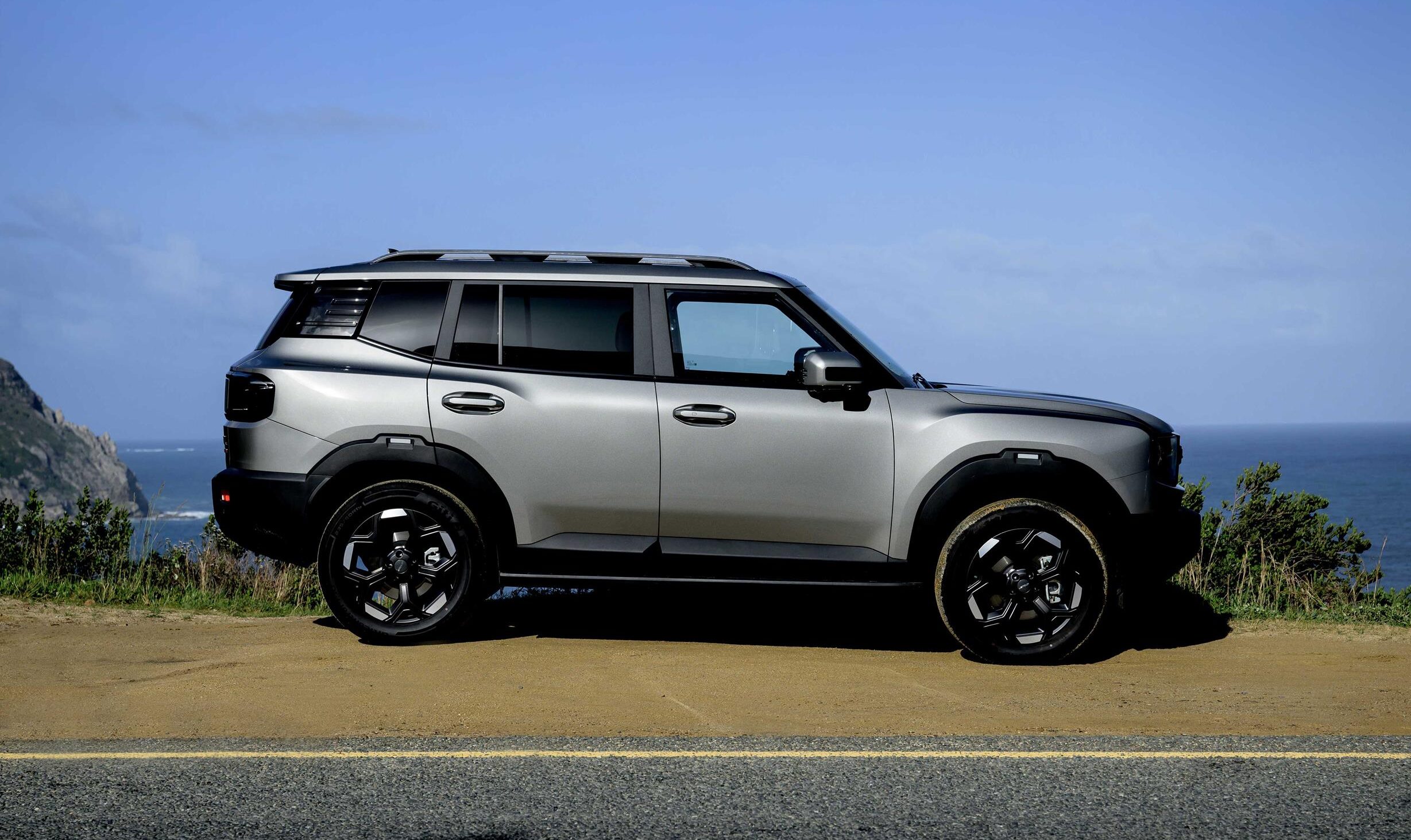
Upon registering the vehicles in South Africa, the homologation units which are used to properly determined what kind of spec vehicles are going to be available in the region of testing, were registered with a payload capacity of payload rating of 300 kg. The T1 and T2 were registered with a 300 kg payload capacity, which includes the driver. That created a problem when carrying passengers and luggage which is a bit of problem since the average payload capacity of a vehicle ranges from about 350 kg to 600 kg for standard passenger cars and SUVs,
That figure raised obvious questions about how the vehicles could legally be used when carrying passengers and luggage. Having won the title of the Car of the Year 2026, this brought about a huge wave of controversy as well as some expected flack from the general public and that left the question of how the Jetour team would go about sorting this issue out if at all.
The official release issued addresses the matter
Jetour states that they have formally held and concluded talks directly with Jetour Head Office and the National Regulator for Compulsory Specifications (“NRCS”) regarding the ammedment and approval of the correct payload capacity applicable to the T1 and T2 models. With this done, the National Regulator for Compulsory Specifications (“NRCS”) has official declared and allocated approved payload capacity applicable to the relevant Jetour T1 and T2 model range is 475 kg, inclusive of the driver.
Does this only count for the newer models that have arrived ?
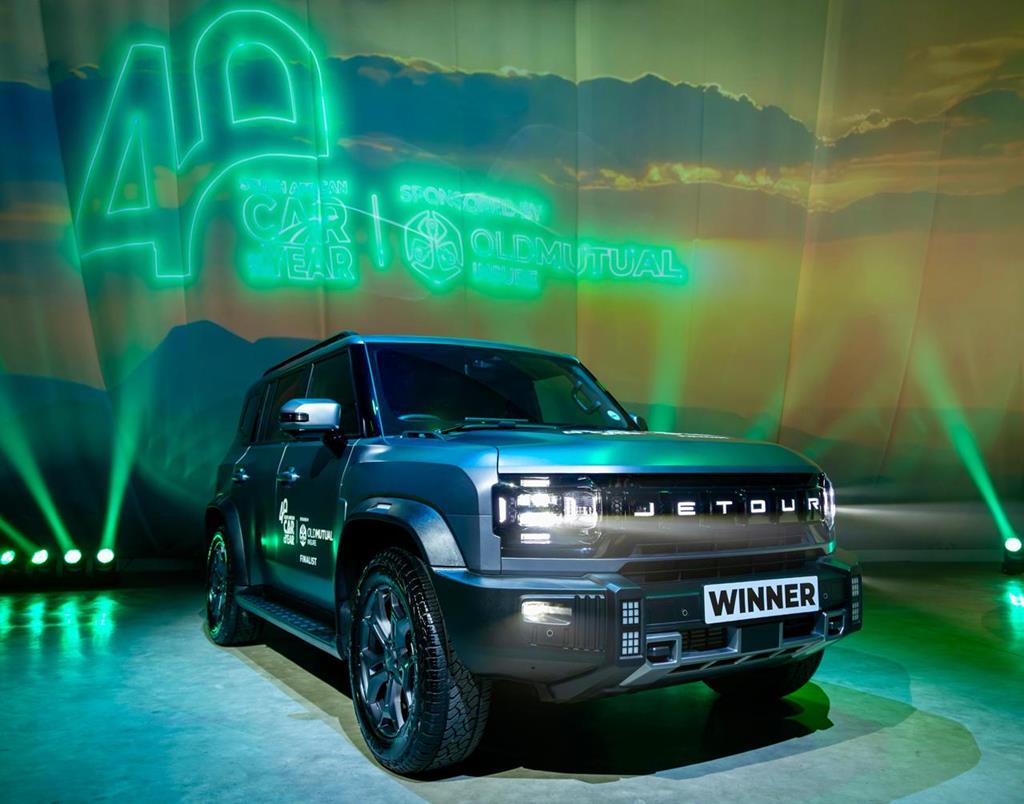
This change is all inclusive, from newly shipped models to those already driving around on the Mzansi roads. "Jetour South Africa further confirms that, insofar as the relevant vehicle falls within the model range and specifications covered by the NRCS approval, the revised payload capacity applies to both new vehicles and existing T1 and T2 vehicles already sold and in circulation."
More importantly Jetour want to make that all South Africans understand that the payload changes is not applicable because of a mechanical enhancement like a added part to the vehicles original structure, as well as noting that the revised approved payload capacity of T1 and T2 is now 475 kg in their existing mechanical and structural configuration.
The next step will be seeing the revised payload information reflected across the relevant documentation and licensing records. For now, the T1 and T2 have moved from a 300 kg approved payload to 475 kg, including the driver, giving owners a considerably clearer position on what their vehicles are legally approved to carry.