

The Porsche Cayenne is one of the most popular models from the stable and its recently gone for an extensive rework inside, outside and technically.
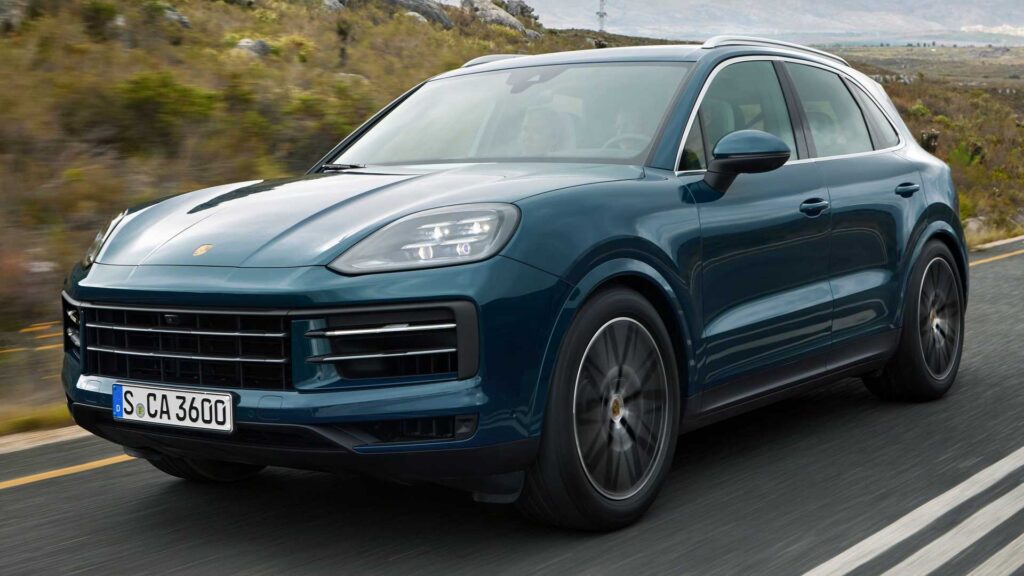
The design hasn't been changed much with new Matrix LED Headlights now standard and HD Matrix LED Headlights optional. The bonnet and fenders get some design touches making them more angular whilst the lower air intakes housing LED daytime lights also get some attention. There is a new range of 20, 21, and 22-inch wheels on both the Cayenne and Coupe model.
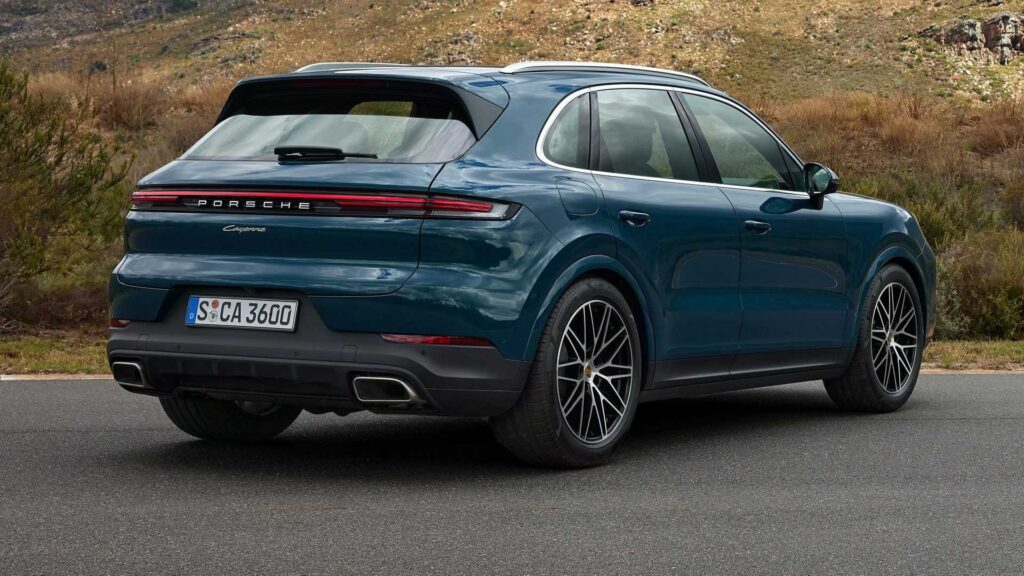
The rear gets 3D lighting and a new rear apron with integrated number plate holder. There is an expanded colour palette with three new colours, lightweight sports packages saving up to 33 kilograms for the Cayenne Coupé.
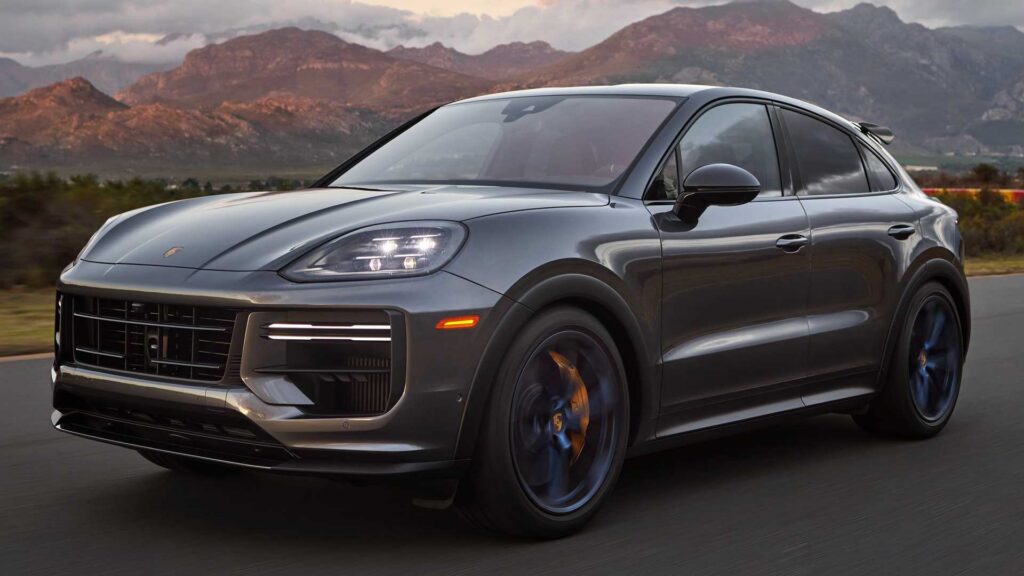
Speaking of the Coupe, the Turbo GT is retained as the ultimate SUV in the Porsche line up. The design changes up front mirror those of the standard model whilst the Coupe rear design is retained. Gold wheels are also an option for those seeking more showmanship.

The interior is the biggest news of the facelift and hints at the new design language expected on future models in the Porsche line up. The Porsche Driver Experience stands for a fully digital display, versatile individualisation and intuitive operation. This translates into 3 digital screens, with the instrument cluster is now a fully digital, free-standing, 12.6-inch curved display that does not require a hood cover, thus giving it a modern, slimline appearance (similar to the Taycan). The rev counter, online navigation, Night Vision Assist or 3D driving assistance system can all be selected to be in the foreground.
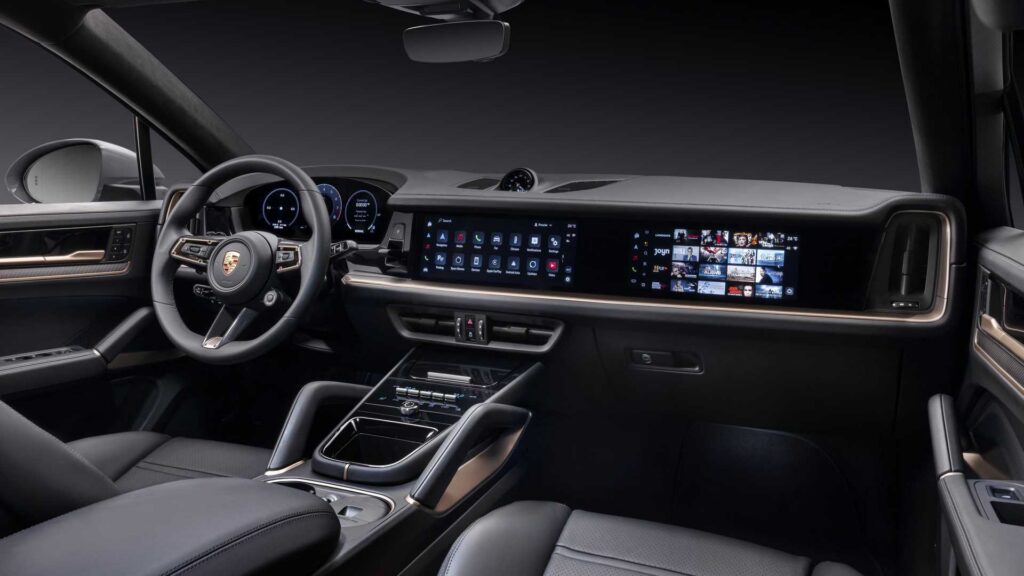
The high-resolution 12.3-inch central display is the control centre of Porsche Communication Management (PCM). As before, the driver can operate numerous driving and comfort functions here, as well as the standard online navigation and multimedia functions. A completely new feature in the Porsche Cayenne is the optionally integrated 10.9-inch passenger display. The additional touchscreen allows the front passenger to take the strain off the driver, for example by operating the navigation or selecting a media service. Special foil ensures that the display cannot be seen from the driver's seat. This means videos can be streamed on the passenger display without distracting the driver.
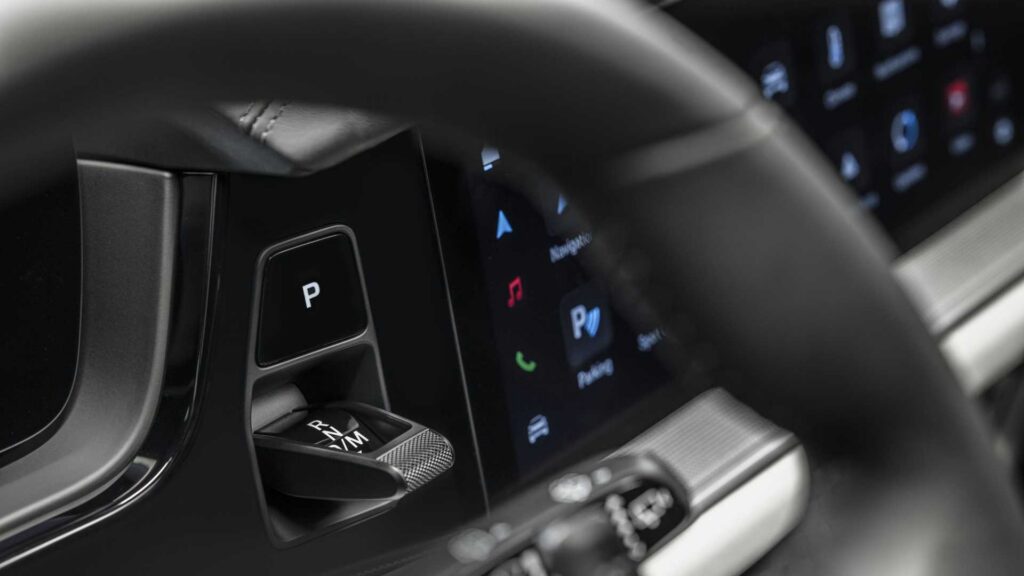
The engine start button is now to the left of the steering wheel. The gear selector is now to the right of the steering wheel between the instrument cluster and the central display. The driving mode switch for selecting Normal, Offroad, Sport and Sport Plus modes directly on the steering wheel is now standard.
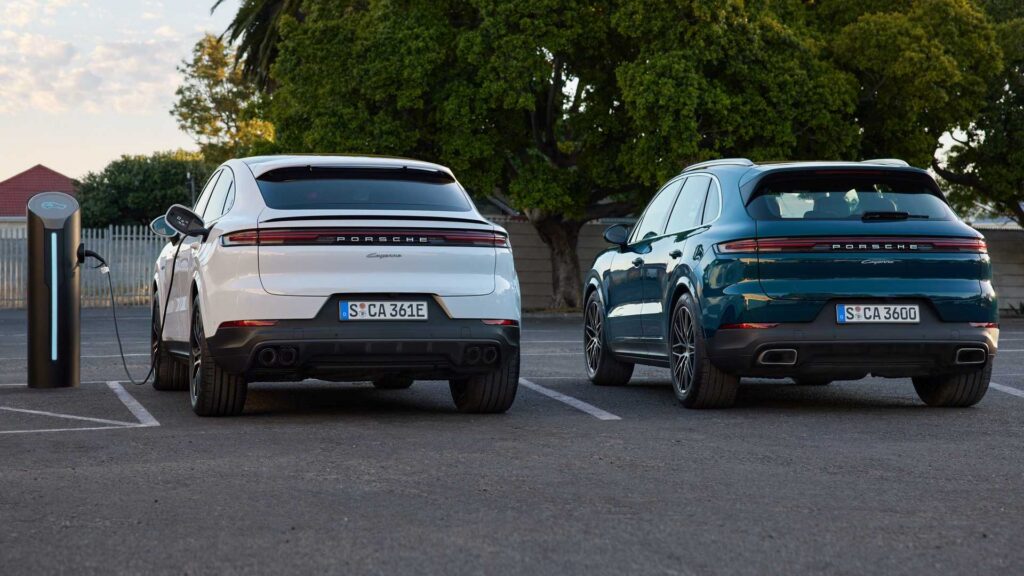
On the engine side, Porsche has done much to update the Cayenne. There is still the base Cayenne with a three-litre V6 turbo engine generating 260kW and 500Nm (10kW and 50 Nm increase). The Cayenne S ditches the old V6 and replaces it with a 4.0 Bi-Turbo V8 credited with 349 KW and a torque of 600 Nm (25 kW and 50 Nm more than its predecessor) making it accelerates both the SUV and the SUV Coupé to 100 km/h in 4.7 seconds. The top speed is 273 km/h. Fuel consumption is claimed at 13.4l/100km. The full on Turbo Cayenne will be introduced later.
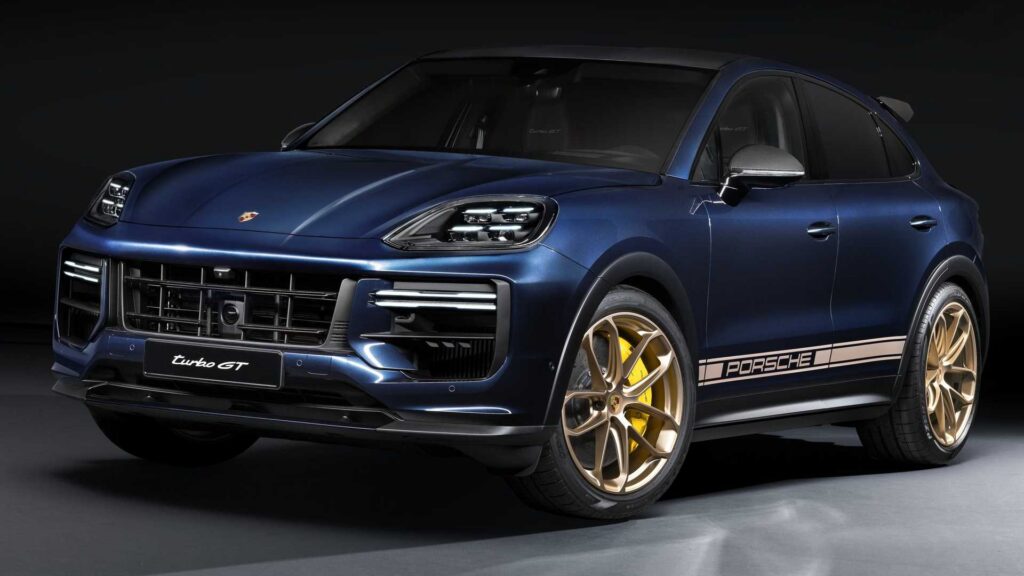
For those seeking the ultimate thrill, the Cayenne GT retains the four-litre V8 biturbo engine with increased power by 14 kW to 485 kW. The Cayenne Turbo GT accelerates from zero to 100 km/h in 3.3 seconds, with a top speed of 305 km/h.
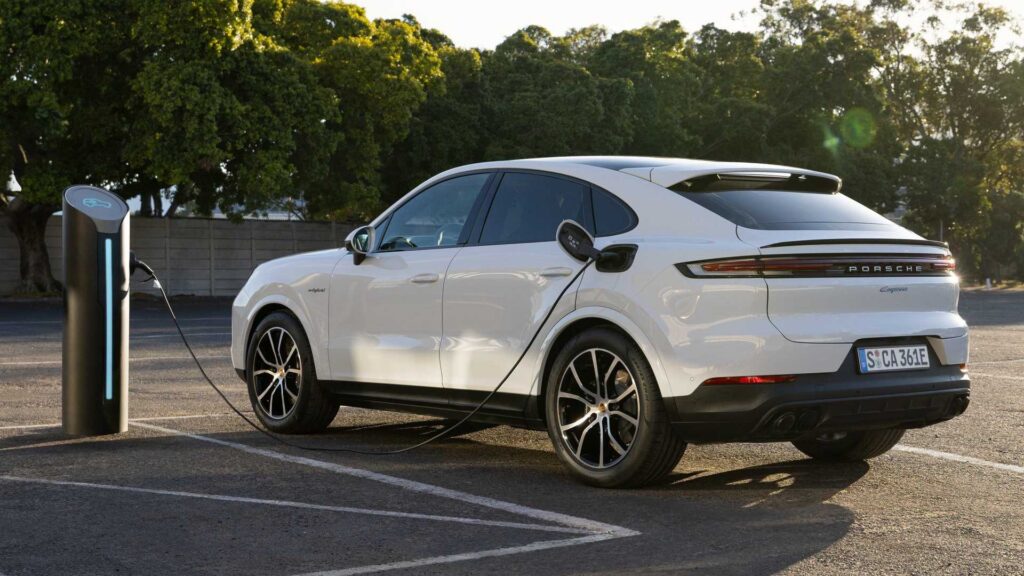
The enviro conscious sporty buyer will be well served by the Cayenne E-Hybrid. In combination with a new electric motor that has been improved by 30 kW to 130 kW, the 3.0 litre Turbo V6 combined output increases to 346 kW with claimed fuel consumption of 1.8l/100 km, Electric power consumption* combined (WLTP) 30.8 – 28.7 kWh/100 km, Electric range* combined (WLTP) 66 – 74 km, Electric range* in town (WLTP) 77 – 90 km. Equipped with a high-voltage battery with a capacity increased from 17.9 kWh to 25.9 kWh, depending on the equipment level, a purely electric range according to the WLTP of up to 90 kilometres is now possible. A new 11 kW on-board charger now shortens the charging time at an appropriate power source to less than two and a half hours despite the increased battery capacity.
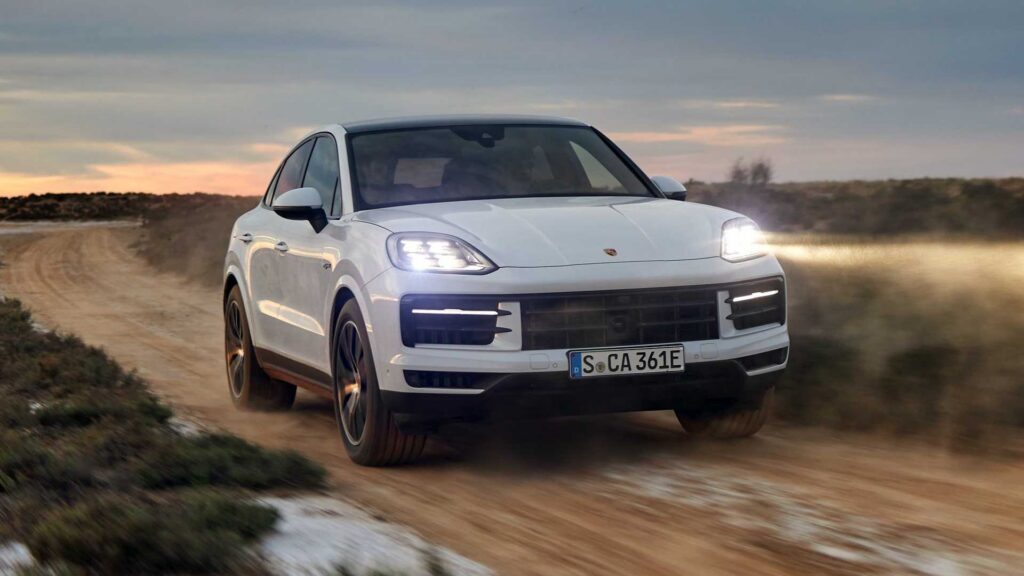
The Cayenne and the Coupe are all about being the best handling SUVs in their respective segments and Porsche has reworked the suspension. Porsche now equips the Cayenne at the factory with a steel spring suspension including Porsche Active Suspension Management (PASM). New shock absorbers with 2-valve technology and thus separate rebound and compression stages allow optimised performance in all driving situations. In particular, comfort at slow speeds, handling during dynamic cornering, and pitch and roll support have been noticeably improved. The driving experience can be additionally enhanced with the new adaptive air suspension with 2-chamber, 2-valve technology. This improves the driving experience with a soft suspension characteristic, stabilises the vehicle and simplifies on-road and off-road handling – compared to both the standard suspension and the predecessor model. At the same time, the adaptive air suspension improves driving precision and performance, and reduces body movements in dynamic driving situations. The suspension also offers an even sharper differentiation between Normal, Sport and Sport Plus driving modes.
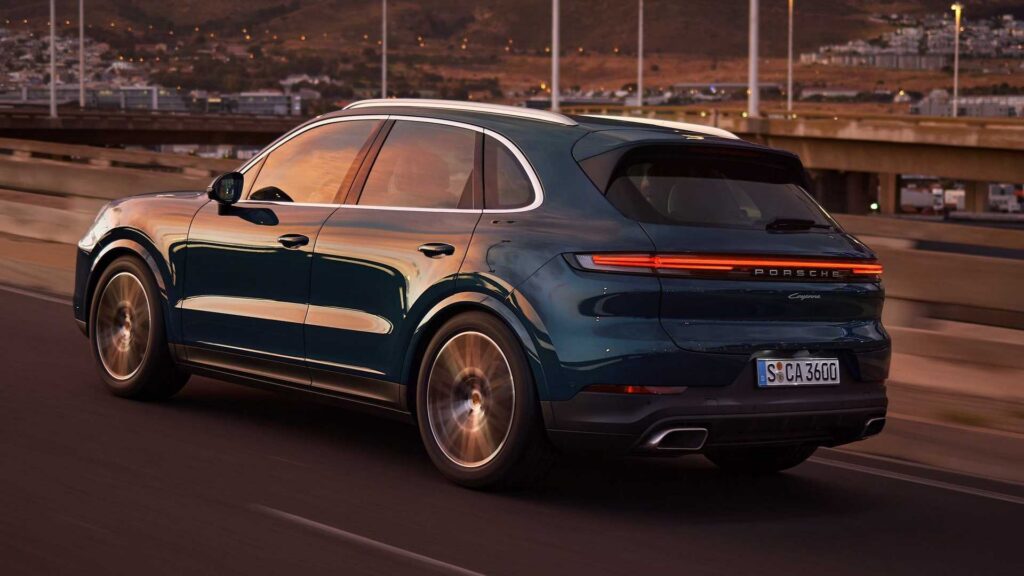
Prices start at R1.89m for the Cayenne, R2.1m for the Cayenne S, R2.24m for the Cayenne E-Hybrid. The Coupe range starts at R1.98m for the Cayenne, R2.28 for the Cayenne S, R2.3m for the E-Hybrid Coupe and the barnstorming Turbo GT will cost buyers R4.1m. 3 Year Driveplan looks after everything bar the tyres and fuel (5 year extension optional).