

Electric vehicles may continue to divide opinion among enthusiasts, but there is one area where the technology makes an undeniable amount of sense, luxury.
The quiet and seamless nature of an electric powertrain fits naturally into a vehicle where comfort and refinement are prioritised over engine noise. Range Rover has now taken that idea and embodied it in its latest flagship offering with the introduction of the all-electric Range Rover.
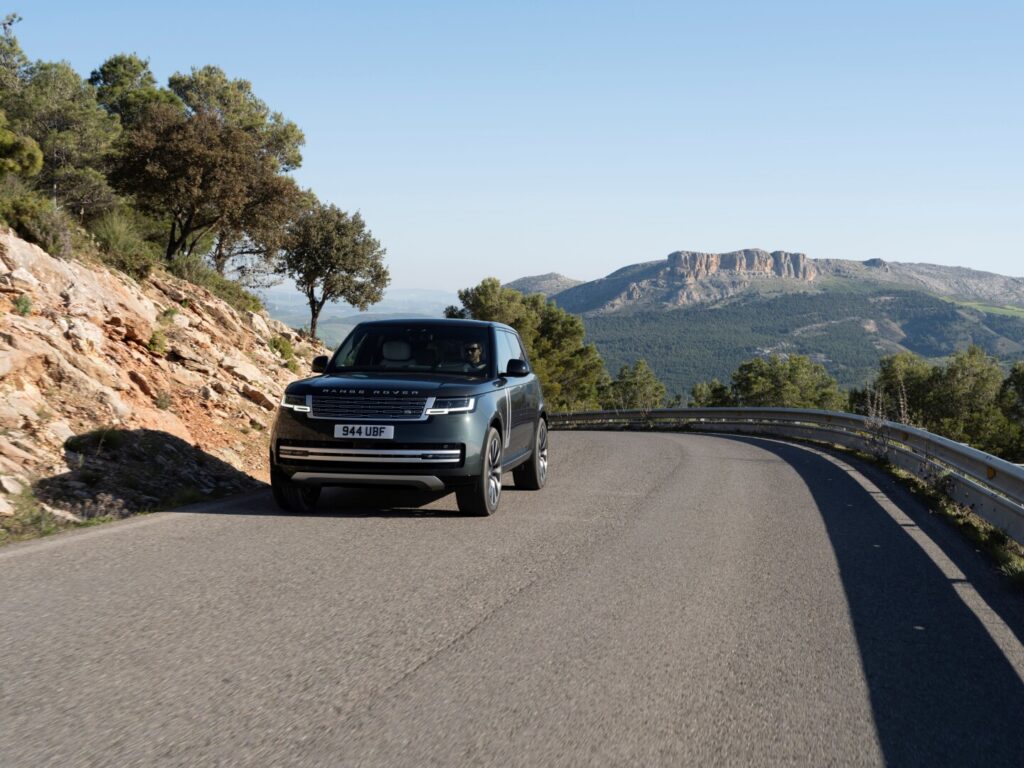
Rather than simply replacing the engine with electric motors, Range Rover says the vehicle has been developed to deliver the same luxury, refinement and all-terrain ability expected from the nameplate.
Lets begin with the new hardware under the body
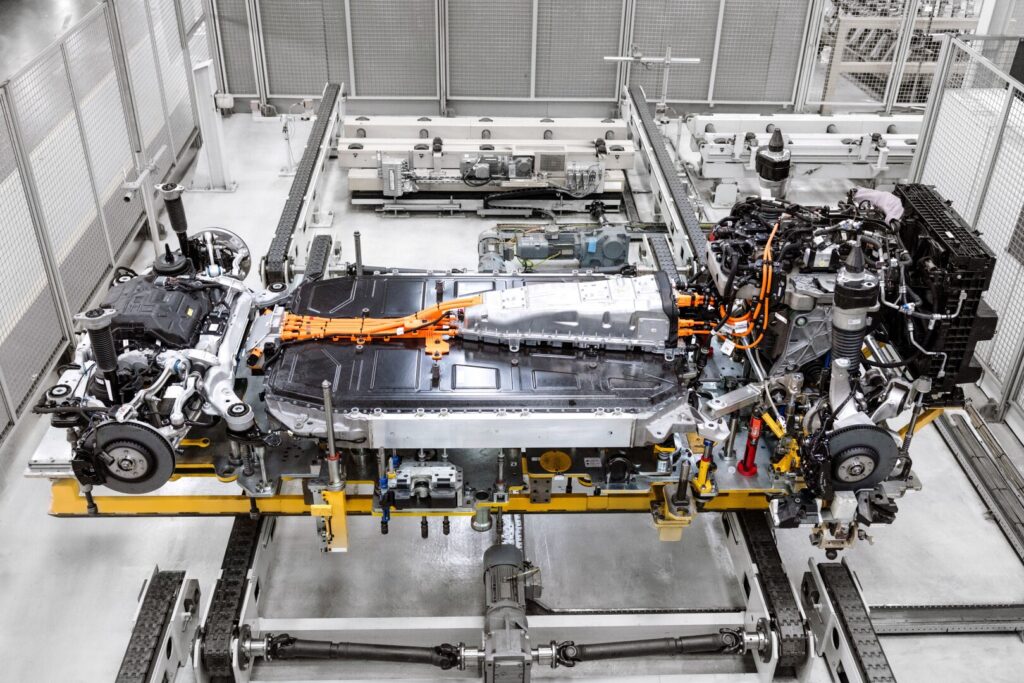
The new all electric Range Rover features a usable 118.5kWh lithium-ion double-stack battery that works in tandem with two 260kW motors which generate up to 404kW and 850Nm of torque. A full charge is said to produce up to 598km (WLTP) claimed range, Range Rover also say that the vehicle will complete 0-100km/h in as little as 4.3 seconds, with power enabling overtaking speeds from 80-120km/h in as little as 2.7 seconds.

As far as charging goes, using a fast 350kW - DC public charger, can charge the vehicle up from 10 to 80% in around 22 minutes or add 220km in 10 minutes (WLTP) when the vehicle is charging at its maximum charge rate.
The electric powertrain also introduces a new approach to how power is distributed. The car introduces Intelligent Driveline Dynamics (IDD). This system constantly manages torque distribution between the axles, allowing rear torque to be varied from 100% to zero depending on the available traction.
To ensure that not too much power is sent to the rear wheels causing an unsettling take off, the IDD is paired with a Integrated Traction Management (ITM) which controls motor speed within 50 milliseconds and manages slip up to 100 times quicker than an ICE vehicle equivalent.

Since the car gains a new Single Pedal mode, the Intelligent Driveline Dynamic and Integrated Traction Management allow for the ability to smoothly pull away up from steep slopes without falling victim to the dreaded roll-back and the ability for the vehicle to auto regenerate using the vehicles momentum to slow down without using the brake pedal.
This isn't just a engine swap but rather a "made" product
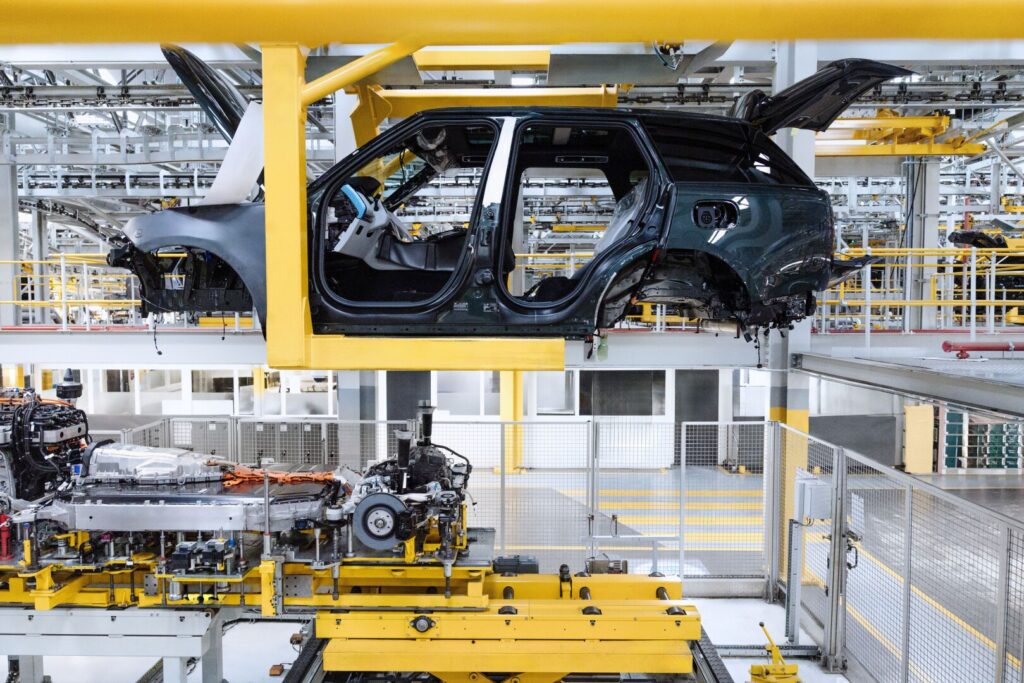
Range Rover have been conducting tests for over four years, as the flexible MLA-Flex platform was engineered from the very beginning to support a battery-electric variant. The testing saw the vehicle tackle 40°C temperatures in Arjeplog, Sweden, the heat of the Dubai desert and JLR’s own Eastnor Castle facility in the UK, Range Rover Electric has completed over 1.5 million kilometres and over a quarter of a million hours of testing in the virtual and physical worlds.
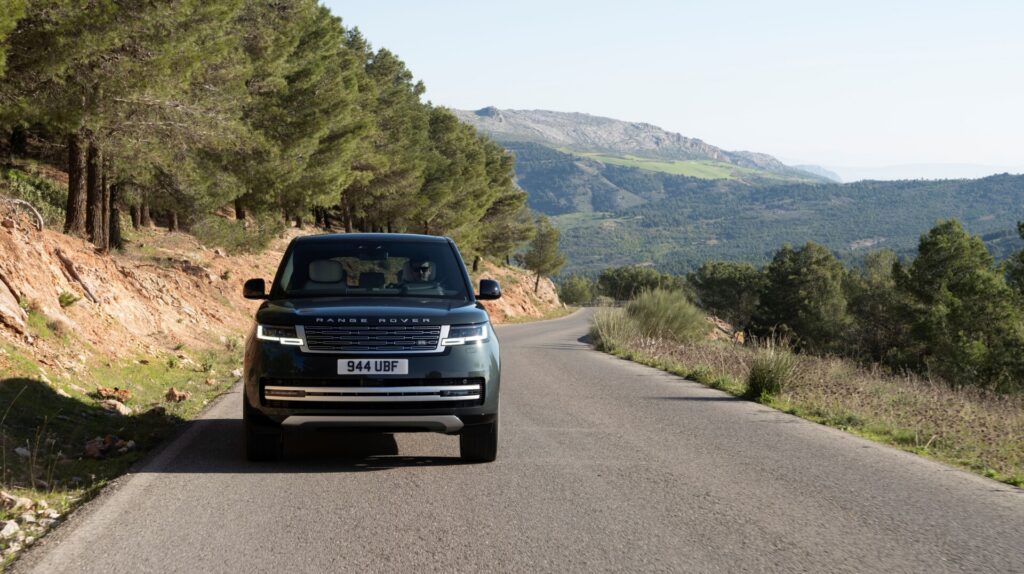
Testing has taken place in temperatures as low as 40°C in Arjeplog, Sweden, through the heat of the Dubai desert and at JLR's Eastnor Castle facility in the UK. Across virtual and physical testing, Range Rover Electric has completed more than 1.5 million kilometres and over 250,000 hours of development work.

The extensive testing programme has also allowed Range Rover to introduce technologies aimed at managing the demands of electric motoring. Four years of testing and recon means that the vessel boasts some tech like advanced range prediction features and advanced ThermAssistTM heat management system which optimises driving range, charging speeds, battery longevity and performance in all kinds of temperatures.
Pricing for the all electric Range Rover
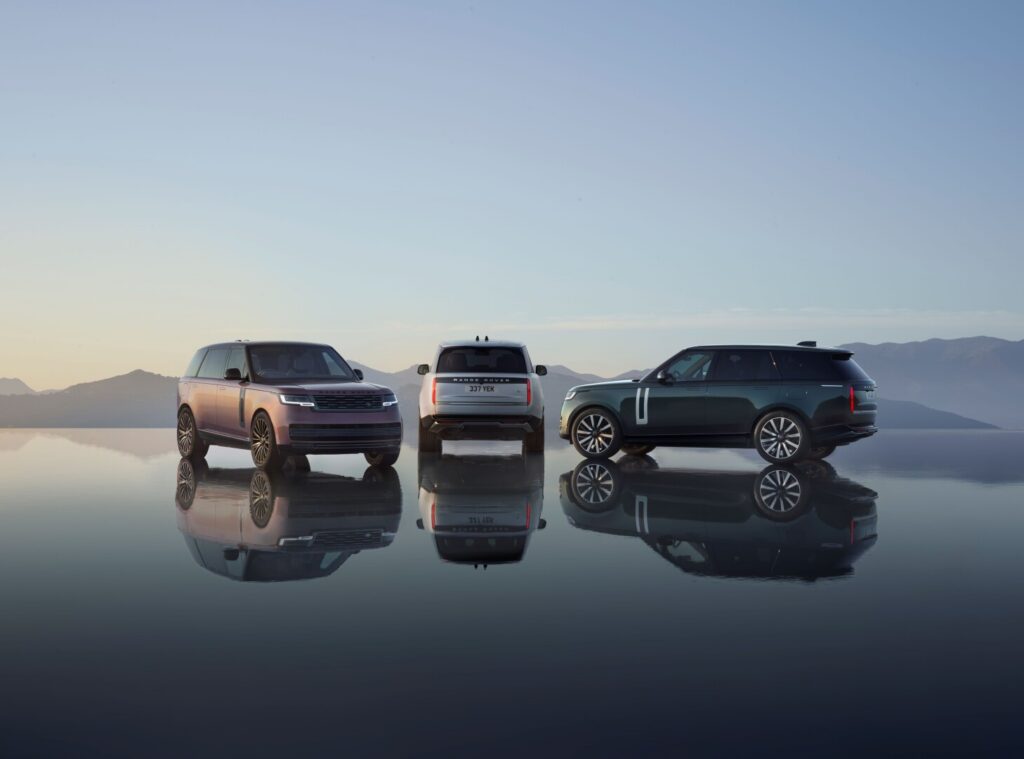
The new Range Rover Electric is priced from R3,916,800 for the Range Rover SWB EV550 HSE, and R6,035,000 for the range topping Range Rover LWB EV550 SV Ultra. Range Rover Electric is covered by an eight-year/160,000 km warranty.
For a brand whose identity has been built around quiet luxury, comfort and the ability to go almost anywhere, perhaps an electric powertrain isn't such a strange direction after all.