

A cars tyres are the only contact between a car and the road it drives on. This means its critical to keep the conditions of the tyre in good state not only for safety but for drive comfort.
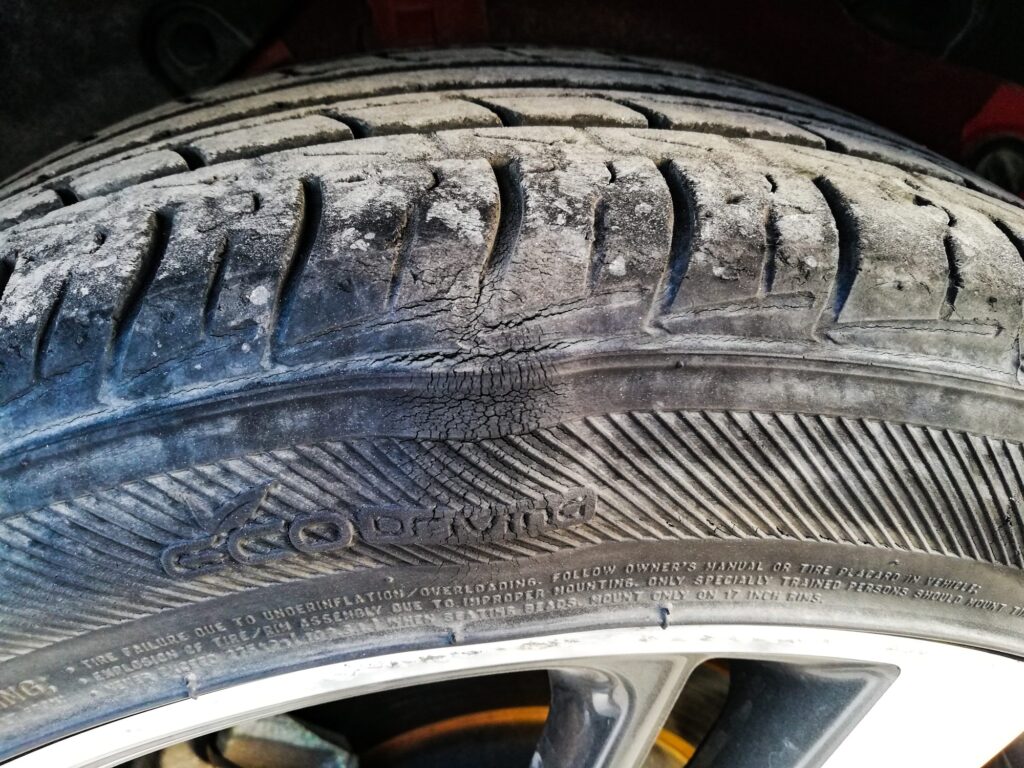
We get the occasional question from people seeking advice on when would be the best time to change tyres. Here are the most important items to note regarding this:
A) Check the tyre tread depth

Modern day tyres have a ridge that runs in between the treads on a tyre. This means that when the contact patch of the tyre reaches these ridge lines, the tyre is no longer guaranteed for safe use on the road. Most franchise tyre fitment centres are able to show you the level your tyre is at relative to the ridge line. Its best to check this regularly so you can budget in time for tyre replacement.
B) Rotate the tyres for increased mileage

For cars that are front wheel driven, meaning the engine drives the front tyres only, wear on these tyres is usually higher than the undriven wheels (in this case rear tyres). Its therefore best to swap the front tyres and put them on the rear axle just tyre wear on a set of 4 is as close to possible to even wear. This also increases mileage on the 4 sets of tyres. The rotation is best done by a professional, franchise fitment centre as there can be a need to do alignment or wheel balancing. The fitment centre also knows which tyre position (between front and rear) swap should be done.
C) Check the tyre age

Tyres don't last forever and so they age from the time of manufacture. Just like with car parts, at some stage, the life of a tyre can be deemed less safe even if it still has tread. The normal age duration of a tyre is around 6 years after which a tyre should be considered for replacement. Each tyre has a date (see above manufacture date) which you can use to start counting the years your tyre are still within safe and guarantee time usage.
Also noted on the image above is the tyre size. This is especially important when buying new tyres for your car. Every car is bought with a recommended size of tyre. This recommendation is done by the manufacturer to ensure the car gives the best performance and comfort. This tyre size is also used when the manufacturer is testing the vehicle for safe driving in all conditions be it performance driving or all weather driving. On each tyre, on the sidewall, there are numbers which are used to show the size of the tyre. The first 3 numbers refer to tyre width. The two numbers after the forward slash (/) refer to the aspect ratio i.e. profile of the tyre. The lower the number, the shorter the distance between rim area and road contact patch. The lower aspect ratio sizes are usually for performance tyres whilst the highest numbers are for high loading vehicles, off road vehicles or special requirements vehicles. The next two numbers refer to the wheel diameter in inches. This refers to the size of the rim where the tyre will be fitted. Tyre range from around 13 inch up to as high as 24inch. This has to align with the size of the rim since you can't fit a lower inch wheel to a higher diameter tyre.
D) Other notes to consider when changing tyres
Do your research on the type of tyre the car manufacturer recommends but also check if there are newer and possibly better make of tyres for your car. You can find other tyre manufacturers continually do Research and Development on better tyres for particular vehicles, its therefore important to check on your make if there are newer and better tyres available.
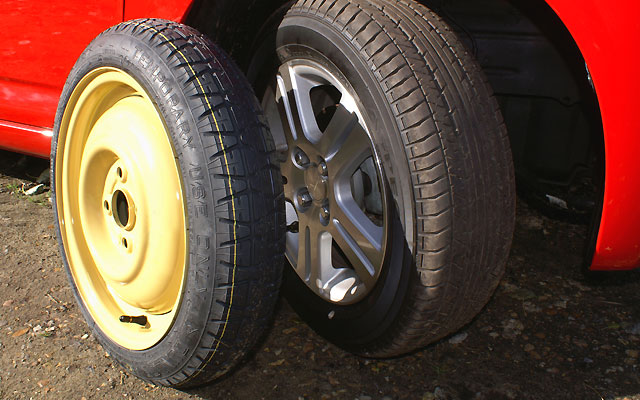
Do not use emergency tyres for everyday driving (biscuit tyre) as these are meant to get you from a place where the original tyre is damaged to a place where you can fit a new tyre. Most biscuit tyres have a limit on speed and weight to carry, it's therefore important to abide by these for the safety of passengers in a vehicle.

Each car must have the same size tyre fitted (normal cars) accross all 4 corners of the vehicle. There are exceptions where the tyre sizes vary between front and rear where the rear tyres are bigger in size. This happens mostly in performance cars. It's therefore important to abide by the recommended tyre size. To have varying tyre sizes on a car, usually done if one buys second hand tyres, compromises the safety of your car.

Remember that an insurance company can reject an insurance claim based on the condition of the tyres in your car in the event of an accident. To keep your tyres in good conditions not only helps make your car safe on the road but it also avoids unnecessary headaches from insurance claims.