

The season that brings about fevers, nose sniffles, and many wardrobe malfunctions by adding extra apparel to survive the freezing cold is upon us. But what if we told you that wearing warm clothing isn’t the only thing you need to stay warm and at your best? Your car is your best friend and has the responsibility to take you to your desired location in one piece; however, this depends on how well you prepare it to tackle the open road and be among other vehicles.
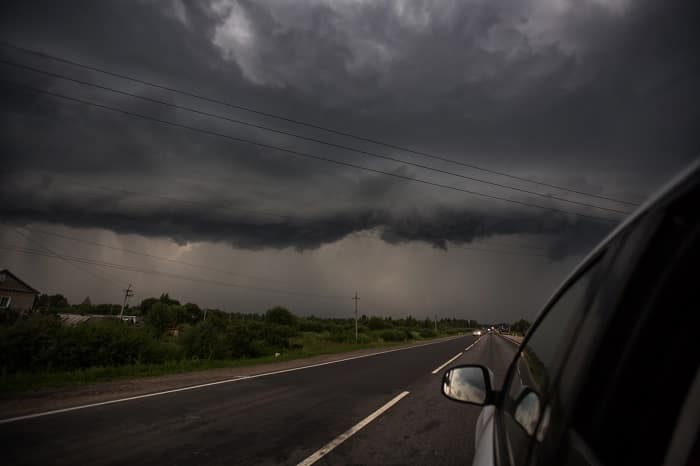
Every winter season should be preceded by a thorough check of your vehicle and a reminder of driving adjustments for lower temperatures. Already, major parts of South Africa like the Eastern Cape, Durban, Kokstad, Limpopo, and many other provinces have experienced extreme cases of strong winds, rainfall, flooding, damage to infrastructure, and snowfall. Most debris has affected roads, making traffic more prevalent at all times, which calls for more caution when driving.
Here are some tips for your vehicle that you should consider before driving out of your yard during this winter season :
- Colder weather makes oil denser. Check oil levels are correct and ensure it is not too full either, as this can create problems too.
- Check the tyre tread regularly as tyres also tend to have more wear and tear in cold weather.
- Check the tyre pressure. For every 10⁰C the weather drops, tyre pressure drops as well.
- Additionally, do not be hasty to inflate your tyres if the warning light shows in the morning but rather give the air time to warm up first.
- Some vehicles alert drivers about oil and air pressure levels but for the rest, regular checks are important.
- Look out for perished windscreen wipers. Even in dry winter areas, there can be condensation, and windscreens tend to get dirtier.
- Check the washer fluid levels and use a freeze prevention washer fluid in below zero weather.
- During frigid weather, coolant lowers the freezing point of vehicle fluids and keeps it liquid while circulating through the engine.
- Limit damages to the battery by parking inside if possible, doing regular maintenance on lead acid batteries if required, and avoid leaving vehicles standing for extended periods.
Well, now that your vehicle is sorted, you are the one responsible for piloting the car, and surely you will need some preparation to tackle the various conditions that lie ahead. Don’t stress, because here are some tips you can use :
- Exert extra caution when temperatures drop below freezing or if it rains during winter in your province: increase following distances, do not use cruise control, avoid pooled water on the road, and drive with extra care in places where ice is common like under bridges.
- Reduce your speed in difficult conditions like on wet roads or in mist.
- In mist, do not switch your lights to bright as it reflects off mist and further reduces visibility.
- Rather use fog lights or low beams.
- Try to only use emergency lights if you are stationary.
- Avoid sudden lane changes or erratic driving which other drivers may not react to timeously
- Brake more cautiously and well before time.
- Further reduce speed around corners.
- If you do not already switch headlights on with every trip, ensure they are on now.
- Remember that sunrise and sunset times will change often resulting in driving into the glare. Wear polarised sunglasses and change your departure times to mitigate this
Hopefully, with all these tips and tricks stated above, your journey can be improved and, most importantly, safer not only for yourself but also in consideration of all the fellow travelers we meet on the roads in their different modes of travel.