
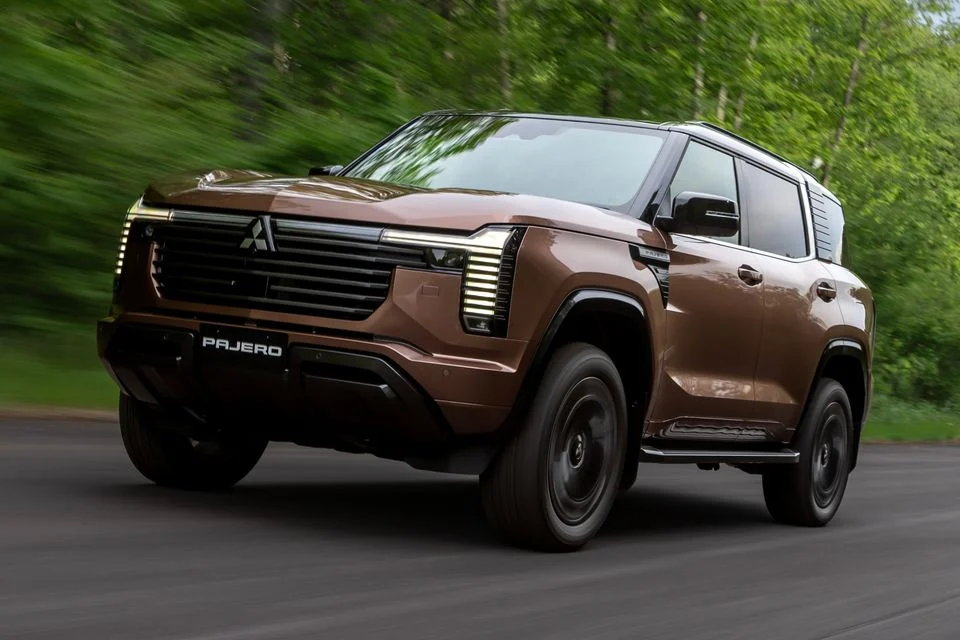
The Mitsubishi Pajero together with Land Rover models can be credited as the father of SUVs with the Pajero models offering go anywhere abilities since the early 80s. The evolution of the Pajero resulted in the luxury element being infused into the "Go Anywhere" DNA of the model. 2006 was the last time a new Pajero was launched (see below).
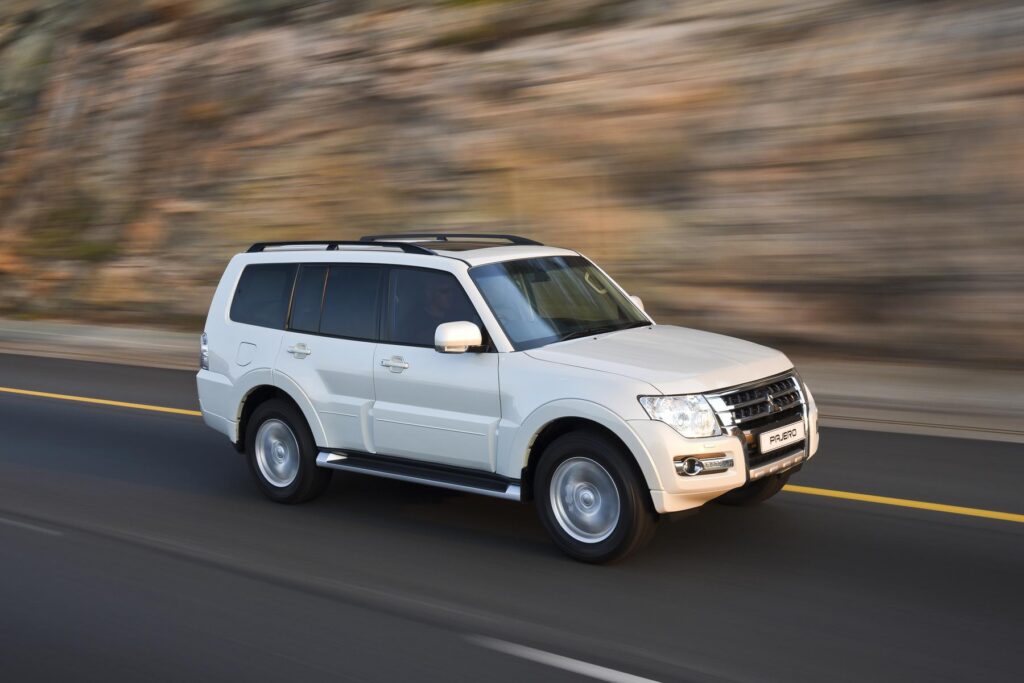
After an absence since 2006, there is now a new Mitsubishi Pajero and this one has a tough act in its hands as it has to deal with the advent of Chinese SUVs.
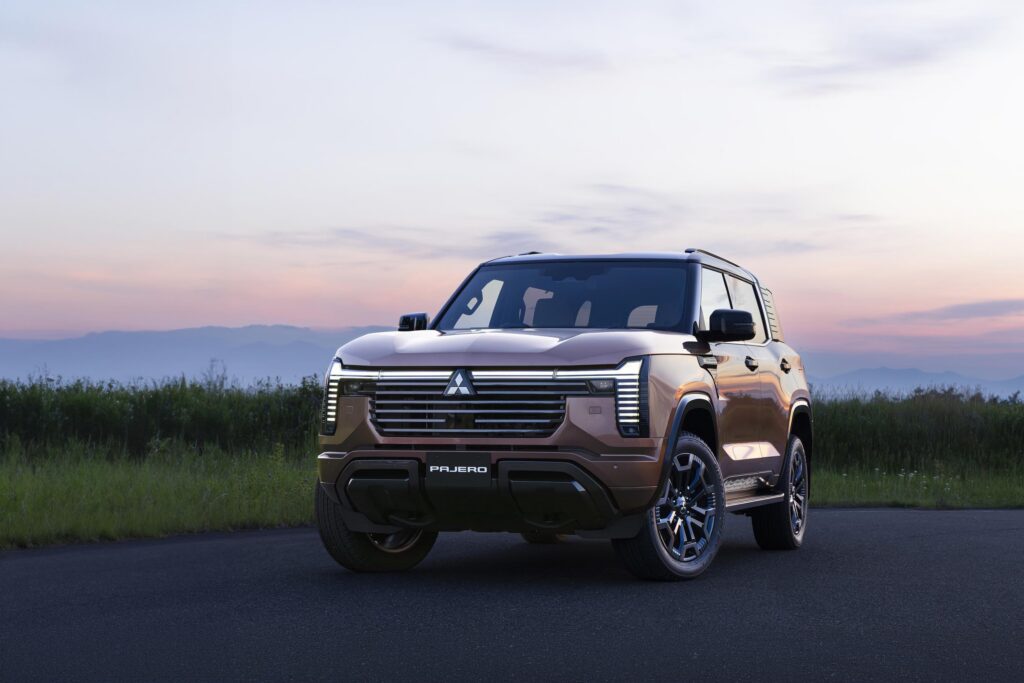
The new Pajero designers were guided by a design concept called “Grand Charisma” which the Japanese manufacturer notes as being meticulously crafted to achieve a powerful presence and premium feel. The design DNA is not far off the Destinator SUV with the front getting two distinctive grille designs: a horizontal-bar grille and a honeycomb grille. The LED Headlights with LED Daytime Lights adopt a T-shaped design with an LED bar that links to the Mitsubishi logo upfront. Lower down, the design adopts the familiar SUV adventure lifestyle protective design accents.
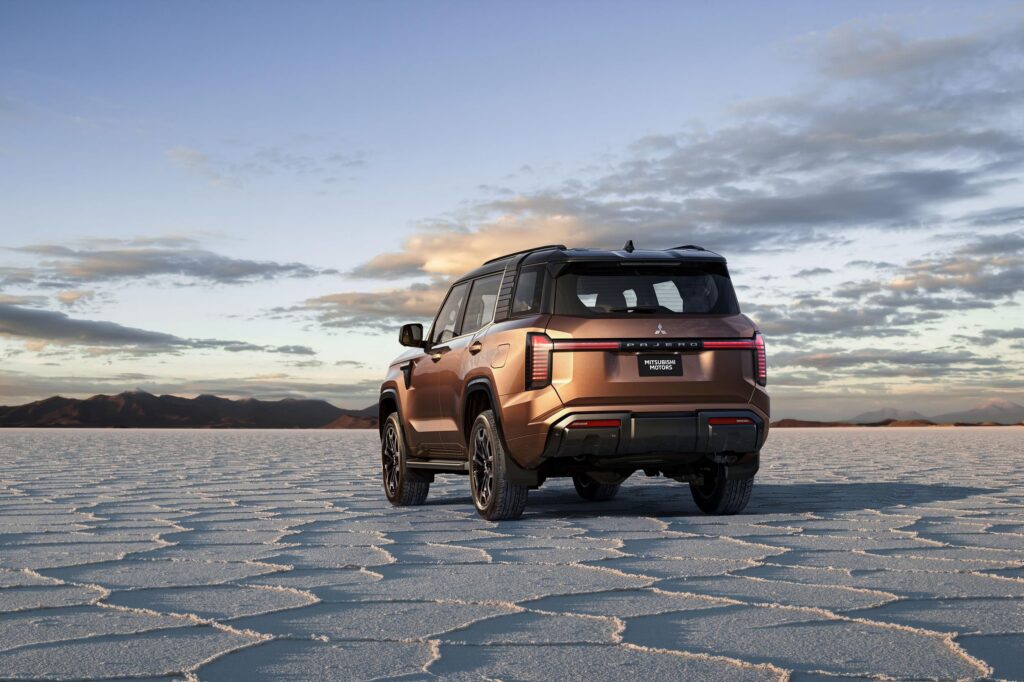
Signature Pajero design elements appear throughout the exterior and include the C-pillar inspired by the roll bar of the first-generation model and a hexagonal rear motif that interprets the rear-mounted spare tyre of earlier generations. The contrasting black roof gives a unique design where the body colour can be specified a multitude of metallic colours. The T-shaped LED rear lights also feature the Pajero lettering below the Mitsubishi logo. Roof rails and a shark fin antenna complement the design with the large panoramic glass roof.

Soft-touch materials incorporating a stitching technique inspired by Kimekomi, a traditional Japanese craft, have been applied to the instrument panel and door trims, creating a sense of depth and premium quality worthy of a flagship model.
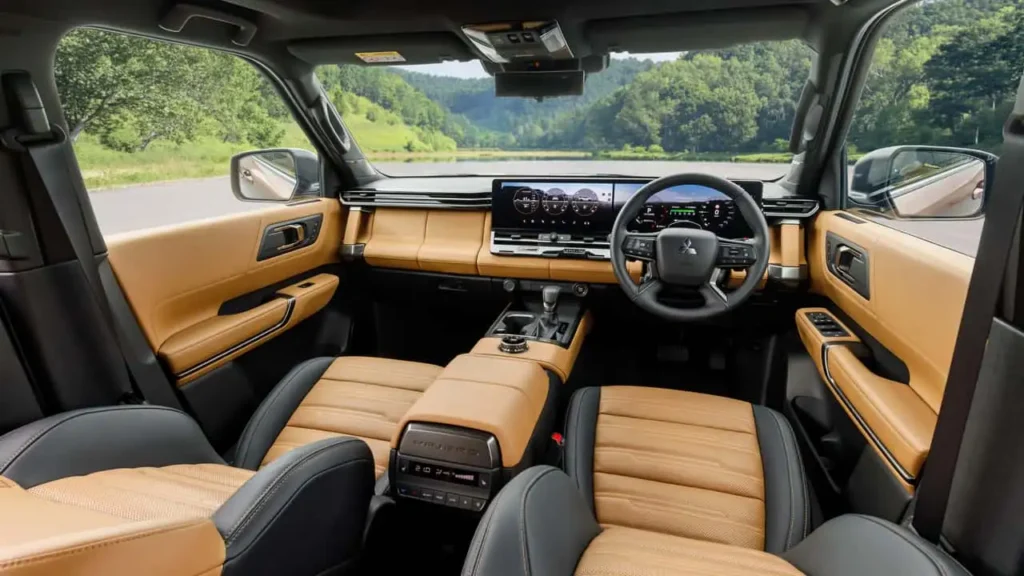
The interior adopts a horizontally oriented instrument panel, inspired by that of the first-generation Pajero and combines functionality with a refined cabin. The monolithic display integrates two highly visible 14.3-inch screens that are home to graphics inspired by the Pajero’s heritage, including the Multi Meter display that brings the iconic triple-meter cluster into the modern era.
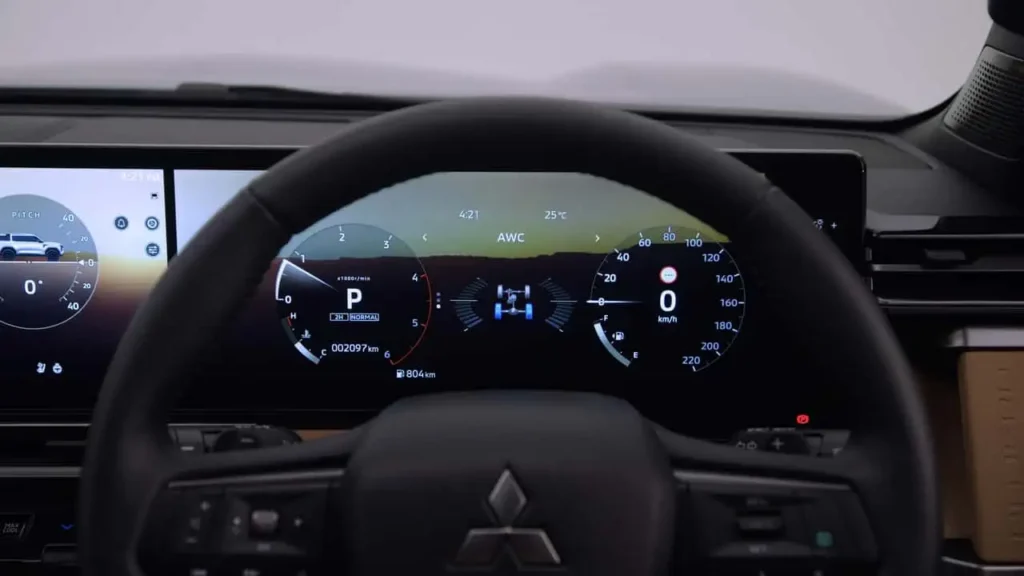
Driving information such as altitude, compass heading, temperature, vehicle pitch and roll angles and AYC control status allows drivers to assess driving conditions at a glance. The Smartphone-link Display Audio system supports wireless smartphone connective, providing intuitive access to mapping, music and other compatible smartphone apps.

An advanced infotainment system brings new value to time spent on the road with visual effects for each drive mode, the meter display and 16 background themes that change in accordance with the time of day. Jointly developed with Yamaha Corporation with an uncompromising focus on sound quality, the Dynamic Sound Yamaha Ultimate audio system features a total of 12 speakers and dual amplifiers, delivering an exceptional music experience across a wide range of driving conditions.
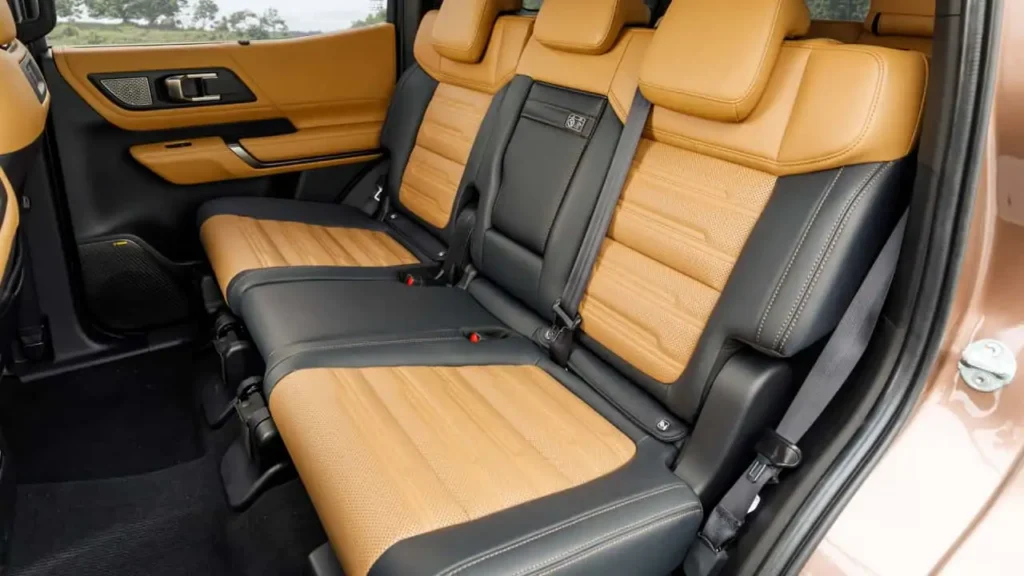
Rear seat passengers space allows the occupants to enjoy the views and luxury associated with the Mitsubishi brand. The all-new Pajero features comprehensive sound-insulation enhancements designed to allow all occupants to converse naturally, even at highway speeds and in other high-noise conditions.
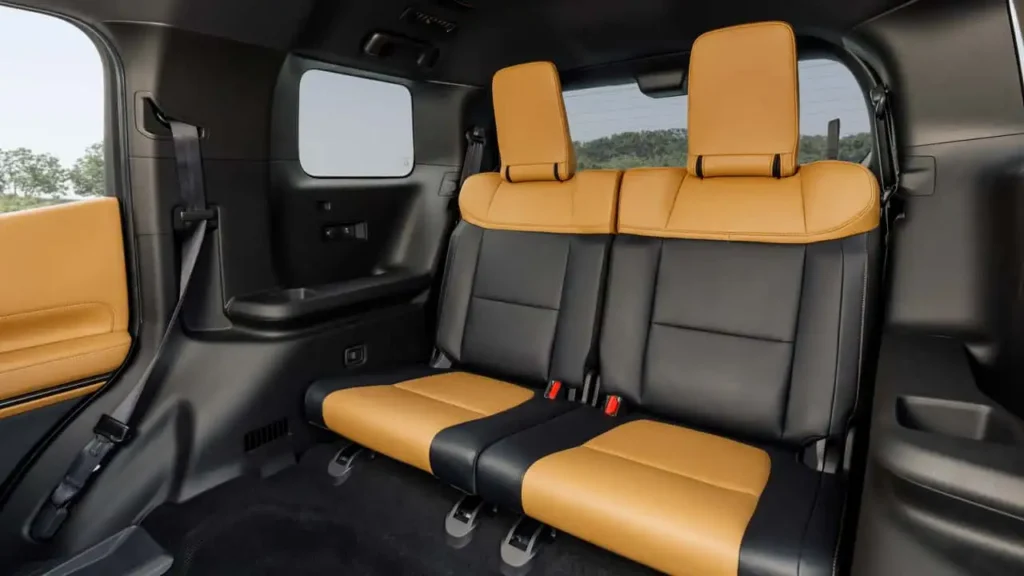
The middle seats fold to allow easy access to the 3rd row seat allowing family travel of up to 7 individuals. Optimised interior packaging and seating arrangements ensure a spacious, comfortable cabin for occupants in every row.

The all-new Pajero will be powered by a specially developed 2.4-litre engine that is equipped with a wide-range single variable geometry turbocharger that delivers 150kW and 480Nm, ensuring strong and responsive acceleration from standstill through to high-speed driving. The engine is paired to a newly developed eight-speed automatic transmission (8AT) with sport mode, offering smooth and seamless gear changes. From on-road driving to off-road terrain, the powertrain combines acceleration that responds faithfully to the driver’s intentions with improved quietness, delivering a refined driving experience.

The all-new Pajero features S-AWC, Mitsubishi Motors' integrated vehicle dynamics control system, delivering natural, responsive handling and outstanding vehicle stability. The SS4-II system allows drivers to select from four 4WD drive modes according to driving conditions: 2H (rear-wheel drive), 4H (full-time 4WD), 4HLc (locked centre differential), and 4LLc (locked centre differential with low- range gears). SS4-II combines high off-road capability with excellent handling stability on paved roads.
Alongside SS4-II, S-AWC integrates control of Active Yaw Control (AYC), which controls torque distribution between the left and right wheels through the front brakes, Active Stability and Traction Control (ASTC), which optimally distributes driving force to enhance stability on slippery surfaces and the Anti-lock Braking System (ABS), which helps prevent wheel lock and skidding during braking. By optimising driving and braking forces at all four wheels according to driver inputs and road conditions, S-AWC enables safe, reassuring, and comfortable driving across a wide range of weather and road conditions.Seven selectable drive modes are available, each optimised for specific driving conditions: Normal, Eco, Gravel, Snow, Mud, Sand, and Rock. These modes allow drivers of all experience levels to enjoy driving with confidence across a wide range of road surfaces. In addition, large 18-inch brake rotors and an electric brake booster provide a reassuring brake feel. Off-road credentials include a ground clearance of 230mm, an approach angle of 30.4 degrees, a ramp breakover angle of 22.6 degrees and a departure angle of 25.8 degrees.
The Pajero will be built in the Mitsubishi Motors production facility in Thailand and is destined for over 100 countries globally, including South Africa.